Epstein Deposition Paused Amidst Social Media Photo Leak
Hillary Clinton's deposition concerning Jeffrey Epstein was halted after a photo of her testifying was leaked to social media, violating deposition rules. The incident has sparked accusations that Republicans are prioritizing political spectacle over uncovering the truth about the Epstein case.

Epstein Deposition Paused Amidst Social Media Photo Leak
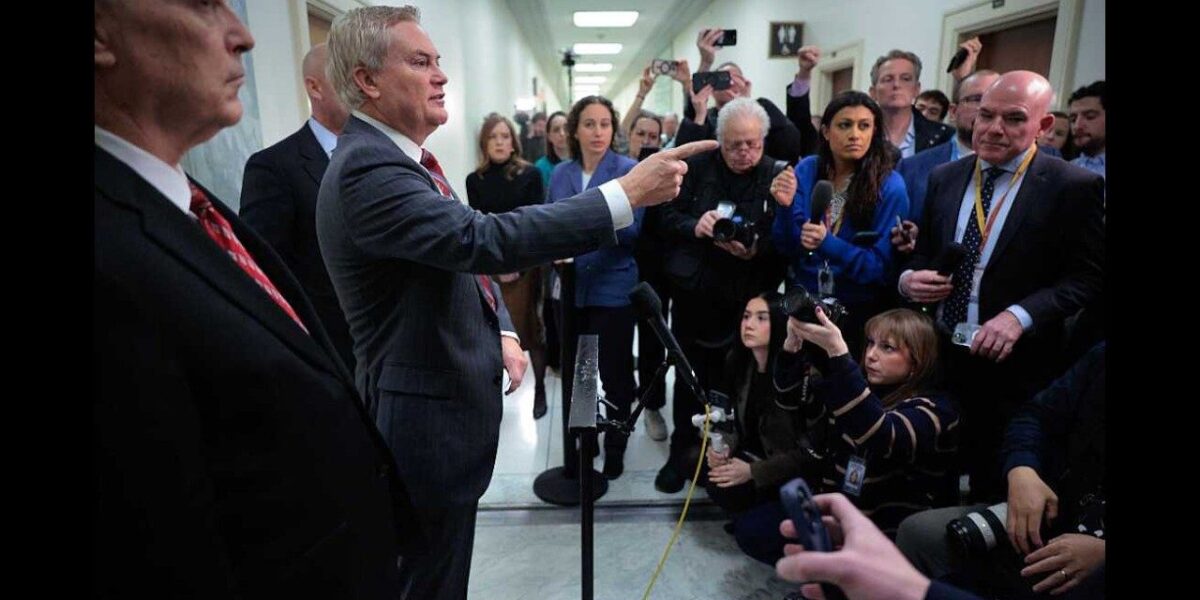
The private deposition of former Secretary of State Hillary Clinton, concerning her alleged connection to Jeffrey Epstein and his alleged sex trafficking ring, was abruptly paused on Tuesday. The interruption occurred after a photograph of Clinton testifying was shared on social media, a clear violation of chamber rules for private depositions. The hearing was halted as officials scrambled to identify the source of the leak and determine who was responsible for the breach of protocol.
Social Media Breach Derails Deposition
The incident unfolded when a photo purportedly showing Hillary Clinton during her deposition before the House Oversight Committee was posted online. Advisers to Secretary Clinton confirmed that the hearing had gone off the record due to the unauthorized sharing of photographs, which is against the rules of the proceedings. The pause was initiated to investigate the origin of the leak and why members of Congress might have violated deposition protocols.
The photo was quickly linked to conservative influencer Benny Johnson, who claimed to have received it from Representative Lauren Boebert. Johnson posted the image with the caption, “Breaking the first image of Hillary Clinton testifying under oath about Jeffrey Epstein to the Republican Oversight Committee. This is the first time Hillary has had to answer real questions about Epstein. Clinton does not look happy.”
“The hearing has been paused briefly while they figure out where the photo came from and uh why possibly members of Congress were violating rules. So we’ll keep you updated. We just wanted to share what that means inside.”
Accusations of Political Spectacle
Critics, including the source of the initial report, have argued that the incident highlights a pattern of Republicans turning the sensitive investigation into a political spectacle rather than focusing on uncovering the truth. The argument is that the goal was not to obtain accurate information but to create a public display and generate negative optics for political opponents. This approach, it is suggested, undermines the seriousness of the investigation and the pursuit of justice for victims.
The transcript suggests that this tactic aligns with a broader strategy, with one quote attributed to Donald Trump stating, “The only problem Republicans have is that we have to get back to number one, running our country, and then number two, very importantly, letting the public know what a great job we’re doing.” This is interpreted as a directive to prioritize political messaging and narrative control over substantive investigation.
Boebert and Johnson’s Roles
Representative Lauren Boebert and Benny Johnson have been central figures in the controversy. Johnson, after the deposition was paused, took to Twitter, stating, “This is insane. The deposition is being filmed. Hillary wanted it to be done live on TV. The entire deposition will be released soon. Representative Boowbert gave me permission to post the photo with credit.” He further claimed that Clinton was attempting to evade questions due to the photo incident.
Boebert responded by defending Johnson, saying, “Benny did nothing wrong. Proceeding with deposition.” However, the reporting suggests that Boebert was aware the photo was unauthorized and chose to share it anyway, subsequently deflecting blame onto Johnson. The source of the report contends that while Johnson is a “hack,” Boebert, as a member of Congress, should have known better than to violate deposition rules.
Transparency vs. Political Gain
The transcript raises questions about the true motives behind the deposition and the handling of the Epstein case. While there appears to be bipartisan agreement on the need for transparency and testimony from all involved, including the Clintons, the focus on political theater is seen as counterproductive. Hillary Clinton herself is quoted as saying, “We offered that they want to pull us. Why do they want to pull us into this? To divert attention from President Trump. This is not complicated. This is so obvious. And they keep trying to divert.”
The broader context involves ongoing scrutiny of the Justice Department’s handling of the Epstein case, with allegations of a cover-up and delayed release of documents. The report points to several instances, including the Attorney General’s statements about files being on her desk, the move of Ghislaine Maxwell to a lower-security prison, and the delayed release of millions of documents, as evidence of a pattern of protecting co-conspirators.
Victims’ Perspectives
The article includes a powerful statement attributed to survivors, highlighting their repeated neglect and revictimization by the government. The recent release of materials, which reportedly redacted names of powerful individuals while exposing victims’ personal data and images, is cited as an example of this failure. The survivors’ message emphasizes the importance of speaking out against abuse of power and demanding true transparency.
“The girls and women who were abused by these criminals have been repeatedly neglected and revictimized by our own government. The recent release of materials highlights this as the names of many powerful individuals remain redacted while the names, personal data, and even images, nude images of many victims were released. Rather than apologize for this failure, this DOJ has doubled down on denial and distraction. We are tired of the games.”
Questions Surrounding Redactions and Document Release
The reporting also delves into the inconsistencies in the release of documents related to the Epstein case. Questions are raised about why some names are redacted while others are not, particularly when those redacted individuals are not victims. The sheer volume of documents and the FBI’s involvement in a case where some claim “nothing happened” are presented as contradictory.
The article criticizes those who dismiss the significance of the Epstein case, suggesting they are either willfully disingenuous or have lost touch with reality. The existence of thousands of pages of documents and an FBI case implies a significant underlying issue, contrary to claims that it is merely a “moral panic.” The campaign promises of some politicians to expose the truth about Epstein are contrasted with their subsequent actions, leading to skepticism about their true intentions.
Conclusion: Spectacle Over Substance
The author concludes that the incident surrounding Hillary Clinton’s deposition underscores a prevailing theme: the Republican party’s preference for political spectacle over substantive investigation. The pausing of the deposition due to a leaked photo, rather than the pursuit of information, is seen as a clear indication that political maneuvering has taken precedence over justice for the victims. The article suggests that this event provides a definitive answer to whether the current GOP prioritizes victims or partisan loyalty.
Looking ahead, the focus will likely remain on the ongoing Epstein investigations, the full release of the remaining documents, and the accountability of those involved. The incident serves as a stark reminder of the challenges in achieving transparency and justice when political interests become intertwined with sensitive legal proceedings.
Source: BREAKING: Major update STOPS Epstein deposition (YouTube)

Related Articles

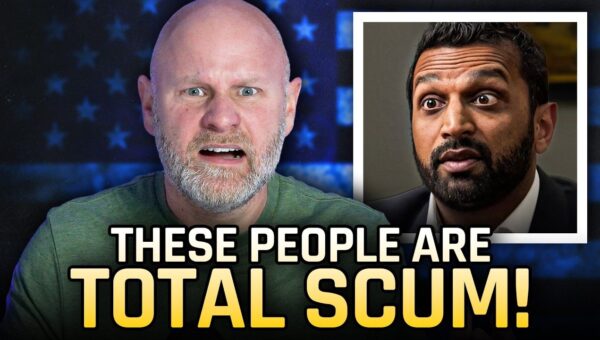
Trump FBI Accused of Halting Epstein Probe in 2019
Newly released emails from the Jeffrey Epstein files indicate that the Trump administration's FBI ordered the NYPD to halt their 2019 investigation into Epstein. Further correspondence references a "murder" investigation into Epstein's death, contradicting the official suicide ruling and fueling demands for transparency.
Khanna Urges Trump to Testify Voluntarily in Epstein Probe
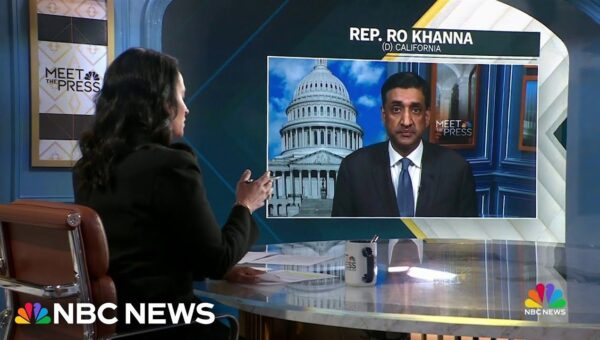
U.S. Representative Ro Khanna is calling on former President Donald Trump to voluntarily testify in the Jeffrey Epstein probe, citing Bill Clinton's recent deposition as a new precedent. Khanna believes Trump should follow Clinton's lead in answering all questions from investigators.

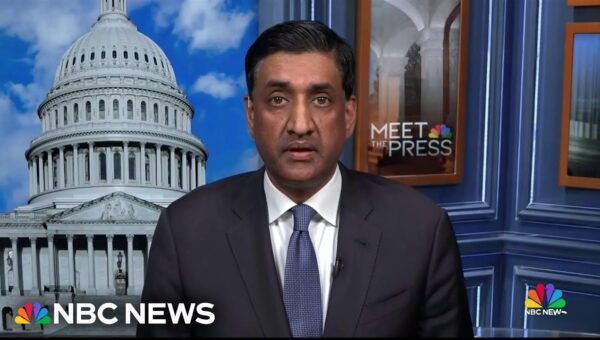
Ro Khanna: Americans Not Safer After Iran Leader’s Death
Congressman Ro Khanna argues that Americans are not safer following the death of Iran's Supreme Leader, Ayatollah Khamenei. He criticizes Republican foreign policy and pushes for a War Powers Resolution to limit presidential war-making authority. Khanna also calls for transparency in the Jeffrey Epstein case, advocating for testimony from prominent figures.