Epstein Death Probe: New Video Hints at Inmate Near Cell
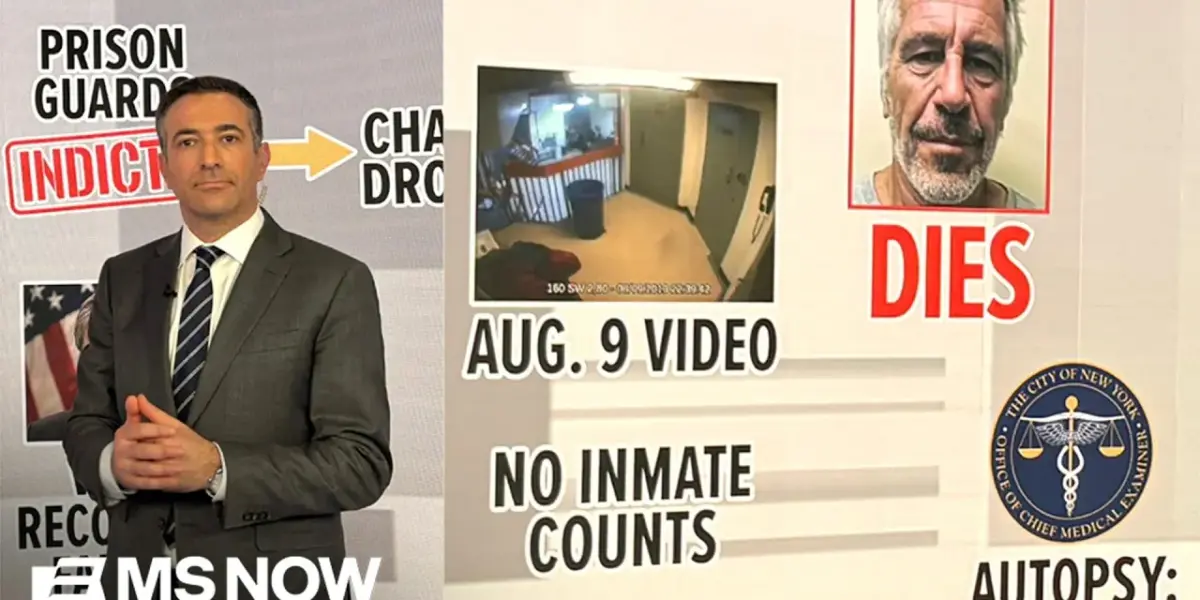
Newly surfaced internal documents from the Epstein death probe reveal a "flash of orange" on FBI video logs, suggesting an inmate, not an officer, may have been near his cell. This evidence challenges the official suicide conclusion and highlights documented failures in the investigation and crime scene handling.

Epstein Death Probe: New Video Hints at Inmate Near Cell
Newly surfaced internal documents from the investigation into Jeffrey Epstein’s death in an NYPD jail are raising fresh questions about the official conclusion of suicide. A crucial piece of evidence, a “flash of orange” seen on a previously unreleased FBI video log, suggests an inmate, not a corrections officer, may have been near Epstein’s cell shortly before his death. This revelation challenges the findings of reports issued by both the Trump and Biden administrations, which concluded that an officer was the last person to approach Epstein’s cell.
Conflicting Video Evidence Emerges
The official government conclusion, detailed in a 2023 DOJ watchdog report, stated that a corrections officer was the last individual near Epstein’s cell at 10:41 PM on the night of his death. This finding was based on the review of available video footage. However, secret internal documents from the same probe, forced to light by a new law, reveal a different perspective from within the FBI.
An FBI log of the same video footage noted a “flash of orange” moving up the stairs. Inmates at the Metropolitan Correctional Center (MCC) wore orange uniforms, while officers did not. The FBI log stated, “flash of orange looks to be going up the stairs. Could possibly be an inmate escorted up to Epstein’s tier.” This observation directly contradicts the government’s public assertion that no one other than an officer approached the cell.
Disputed Interpretation of Footage
The interpretation of this “flash of orange” appears to have been altered in subsequent official reviews. While the initial FBI log described it as a possible inmate, a later DOJ review of the same footage reinterpreted it. The DOJ review stated, “inmates are currently on lockdown. It’s possible someone is carrying inmate linen up the stairs.” This shift from observing an orange-clad figure to speculating about linen delivery significantly downplayed the potential presence of an unauthorized inmate near Epstein’s cell.
CBS’s investigation, which first documented discrepancies in the video logs, noted that independent experts found the footage more consistent with someone in an orange prison uniform than a corrections officer. The DOJ’s public report also omitted any mention of this conflicting evidence, instead stating that an officer appeared to walk up the stairway.
Systemic Failures and Forensic Mishandling
The revelations come amid a backdrop of documented failures in the handling of Epstein’s case and the crime scene. The MCC jail cameras, including two that would have covered Epstein’s cell area, failed to record that night, leaving only one working camera with a limited view. The DOJ report itself noted that these recording failures predated the Epstein probe, indicating a history of issues at the facility.
Furthermore, the handling of Epstein’s cell as a crime scene has drawn criticism. Basic forensic procedures, such as fingerprinting and DNA testing of materials in the cell, were reportedly not conducted by the feds. This lack of thoroughness meant that investigators were unable to definitively determine which of the several fashioned nooses was used in Epstein’s death. One guard also reportedly could not recall removing a noose from Epstein’s neck, contrary to initial accounts.
Questions About Autopsy and Cover-Up Allegations
While the medical examiner officially ruled Epstein’s death a suicide by hanging, citing no evidence of defensive wounds, the conclusion was delayed for further review due to Epstein’s high-profile status. Dr. Michael Baden, a forensic pathologist hired by Epstein’s brother, offered a dissenting opinion, suggesting injuries on Epstein’s neck were more indicative of strangulation than suicide.
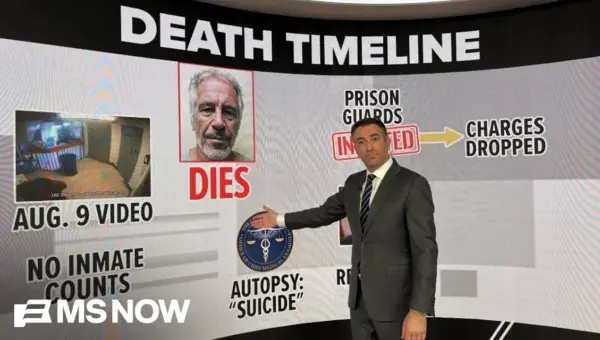
Adding to the intrigue, the guards on duty the night of Epstein’s death were initially indicted for lying about falsifying inmate checks. Although these charges were later dropped, an inmate reportedly told the FBI that officers were heard discussing covering up Epstein’s death. Former Trump Attorney General William Barr, who oversaw the DOJ at the time, had stated he watched the jail footage and ruled out foul play, though he acknowledged a “perfect storm of screw-ups” at the facility.
Epstein’s own former attorney, hired just days before his death, also expressed disbelief in suicide, stating, “He had basically just hired me to kill him nine days later, wouldn’t make sense.”
Broader Implications and Future Scrutiny
The emergence of these new documents and the conflicting interpretations of the video evidence underscore the persistent questions surrounding Jeffrey Epstein’s death. While the official conclusion remains suicide, the “flash of orange” incident, coupled with the documented systemic failures and forensic mishandling, fuels speculation about potential foul play and a cover-up.
The increased transparency, driven by recent legislation, is forcing government agencies to reveal more of their investigative work. This renewed scrutiny demands a more comprehensive and independent accounting of Epstein’s crimes and his time in custody, extending beyond the circumstances of his death. The ongoing debate highlights how government secrecy and “strained overreach” to quell public concern can inadvertently feed suspicions of impropriety.
As these new details come to light, the possibility of further investigations or re-examinations of the evidence cannot be ruled out, potentially shedding more light on the complex and controversial end to the life of Jeffrey Epstein.
Source: NEW Epstein death exposé: See damning timeline confronting Trump DOJ (Melber Report) (YouTube)

Related Articles

Epstein Death Probe: Trump DOJ Faces New Questions on Cover-Up
New revelations and a congressional transparency law are intensifying scrutiny over Jeffrey Epstein's death in federal custody. Allegations of a bungled investigation under the Trump DOJ and withheld documents are fueling skepticism about the official suicide ruling.

UK Docs Reveal Starmer Knew Epstein Ties Before Envoy Pick
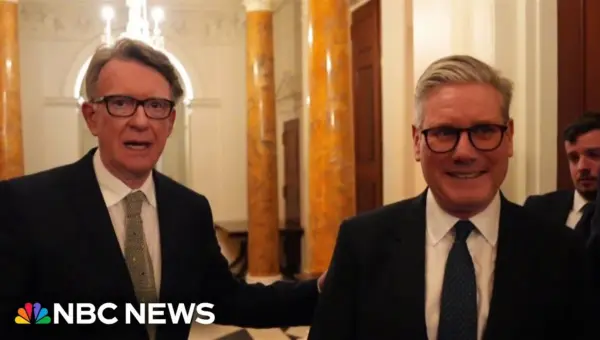
New U.K. government documents reveal Prime Minister Keir Starmer was warned about "reputational risk" concerning Peter Mandelson's ties to Jeffrey Epstein before appointing him as U.S. ambassador. The "Mandelson Files" show Starmer received a checklist detailing Mandelson's extensive connections to the convicted sex offender.
Trump Accuser’s Story Partially Verified by Press
A South Carolina newspaper has confirmed several factual details from an accuser of Donald Trump, including her mother's financial crimes and her own meeting with Jeffrey Epstein. While the core allegations of assault against Trump were not verified, the confirmation of surrounding events lends a degree of factual basis to her account.