EPA Rejects Climate Rules, Boosts Energy Dominance
EPA Administrator Lee Zeldin is rolling back Obama-era climate regulations, citing legal interpretations and the need for Congressional action. The agency is also prioritizing domestic energy production and transparency in environmental science, while scrutinizing the use of federal funds.

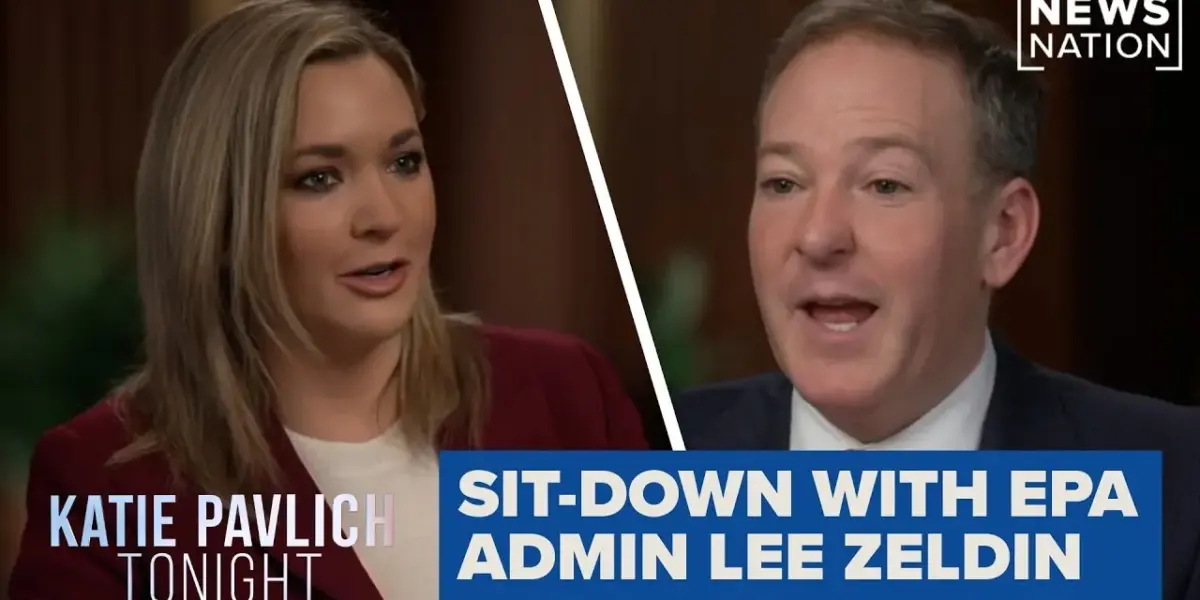
EPA Administrator Defends Deregulation, Energy Policy Shift
The U.S. Environmental Protection Agency (EPA) is making significant changes to environmental regulations, focusing on a stricter interpretation of laws and promoting domestic energy production. EPA Administrator Lee Zeldin recently discussed these shifts, emphasizing a return to what he calls the “best reading of the law” and a move away from broad agency rule-making.
Challenging Climate Regulations
The EPA has rolled back Obama-era climate rules. This action has led to lawsuits from California and other states, who argue the EPA cannot simply undo these regulations. Administrator Zeldin explained that the agency is following new Supreme Court decisions, like *Loperbrite* and *West Virginia v. EPA*. These rulings suggest that major policy decisions, especially those with trillions of dollars in potential costs, should be debated and voted on by Congress, not decided by federal agencies alone.
“Instead of an agency like EPA putting forth trillions of dollars of regulation, maybe down the street at Congress, they should have a debate and a vote,” Zeldin stated. He believes that if Congress wants the EPA to heavily regulate greenhouse gases, it should pass specific laws to that effect. The administration also aims to consider the economic impact on American families, citing deregulation as a key part of President Trump’s agenda. The EPA claims this deregulation could save American families billions and make new vehicles about $2,400 more affordable.
Focus on Energy Dominance and Global Supply Chains
Beyond domestic regulations, the EPA is also focusing on expanding U.S. energy production and exports. Administrator Zeldin highlighted discussions with Indo-Pacific nations about their energy needs, especially in light of global instability. Many countries in this region are looking to diversify their energy sources away from volatile areas like the Middle East.
“Nations all across the Indo-Pacific are looking to the United States as they want to diversify their supply chain,” Zeldin said. He pointed out that countries like Japan currently rely on longer, more vulnerable shipping routes through the Strait of Hormuz for their energy. In contrast, receiving energy from U.S. suppliers, such as Alaska, takes significantly less time and avoids these navigation concerns.
The administration’s goal is “energy dominance,” which involves increasing U.S. energy extraction and production. This strategy aims not only to meet domestic needs but also to provide reliable energy exports to allies, strengthening both U.S. influence and global energy security.
Rethinking Pesticide Use and Transparency
The EPA is also working with the Department of Health and Human Services (HHS) to address concerns about pesticide use. The goal is to find a balance between protecting public health and ensuring farmers have the necessary tools for food production. Zeldin stressed the importance of following the law, using “gold standard science,” and being “radically transparent” with the public.
He acknowledged that past EPA communications about pesticides could be overly technical and difficult for parents to understand. The agency plans to improve how it shares information, ensuring clear answers to basic questions. Zeldin emphasized that all available studies, even those that might challenge a particular narrative, must be considered. The EPA will examine study methodologies, sample sizes, and exposure levels to make informed decisions, aiming to address real risks when they are identified.
Addressing Infrastructure and Environmental Remediation
A significant focus has been placed on repairing aging infrastructure, particularly after a major raw sewage spill into the Potomac River in Washington D.C. The spill, described as the largest in the country’s history, highlighted issues with outdated water systems. Zeldin praised the swift action taken by the D.C. Mayor in calling the White House for help, contrasting it with what he described as a lack of engagement from Maryland’s governor.
The EPA has taken the lead in fixing the “Ptoic interceptor,” a key piece of infrastructure, and is now responsible for water sampling in the river. “We are going to be very transparent with the public to let the public know whatever we find,” Zeldin promised. The agency is working on environmental remediation to restore the affected areas before upcoming national events like America 250.
Zeldin noted that aging water infrastructure is a nationwide problem. He urged all water systems to inspect their facilities, as similar breaks could occur elsewhere. The EPA’s remediation efforts aim to clean up contamination in both water and soil, returning the environment to its previous condition or better.
Concerns Over Funding and ‘Environmental Justice’
Administrator Zeldin also raised concerns about how federal funding has been managed within the agency. He stated that a large amount of money, including billions allocated for climate initiatives, was not being spent effectively. Zeldin described instances where funds passed through multiple entities, including newly created groups linked to former Obama and Biden administration officials or Democratic donors.
He likened some of these funding mechanisms to money laundering, where administrative fees of 15-25% were taken at each step, significantly diluting the amount of money that actually reached its intended purpose. Zeldin specifically criticized the “Solar for All” program, noting that some funds went through four pass-through entities before reaching solar projects.
Furthermore, Zeldin questioned the application of “environmental justice” funding. He argued that in some cases, money designated for environmental issues was diverted to activist groups. These groups, he explained, would then train other activists to lobby for more funding, creating a cycle that did not directly address the environmental problems in affected communities. Zeldin advocated for spending these tax dollars directly on remediation and environmental cleanup rather than on activist networks.
Looking Ahead
The EPA under Administrator Zeldin is focused on adhering strictly to legal interpretations, promoting energy independence, ensuring transparency in environmental science, and improving infrastructure. The agency faces ongoing legal challenges regarding its regulatory rollbacks but maintains its commitment to its current approach.
Source: EPA Admin Lee Zeldin on ruling back Obama climate rules, limiting pesticides | Katie Pavlich Tonight (YouTube)

Related Articles

Trump Makes Bold Promises at Investment Summit
Former President Donald Trump addressed the FII PRIORITY Summit, outlining his economic vision. He promised deregulation, tax cuts, and protectionist trade policies aimed at boosting American jobs and competitiveness. These remarks signal potential future economic directions.


Trump Courts Farmers, Promises Agricultural Boom
Donald Trump addressed farmers at the White House, promising agricultural prosperity through deregulation, tax cuts, and trade deals. He positioned himself as a champion against the policies of the Biden administration and highlighted past achievements like repealing the estate tax and easing equipment repair rules. The speech aimed to solidify support from the farming community.

Inslee Slams Trump on Economy Amidst Rising Gas Prices
Former Washington Governor Jay Inslee strongly criticized former President Donald Trump's economic policies and his response to rising gas prices. Inslee slammed Trump as 'out of touch with reality' amidst market turmoil and the closure of the Strait of Hormuz. He also warned of potential legislative efforts to shield the oil and gas industry from climate change accountability.