EPA Climate Finding Repeal to Reshape Auto Industry
The Trump administration's repeal of a key EPA endangerment finding for greenhouse gases is set to reshape the auto industry. While proponents cite potential cost savings and reduced regulatory burdens, critics warn of increased pollution, higher consumer fuel costs, and challenges to global competitiveness for automakers.

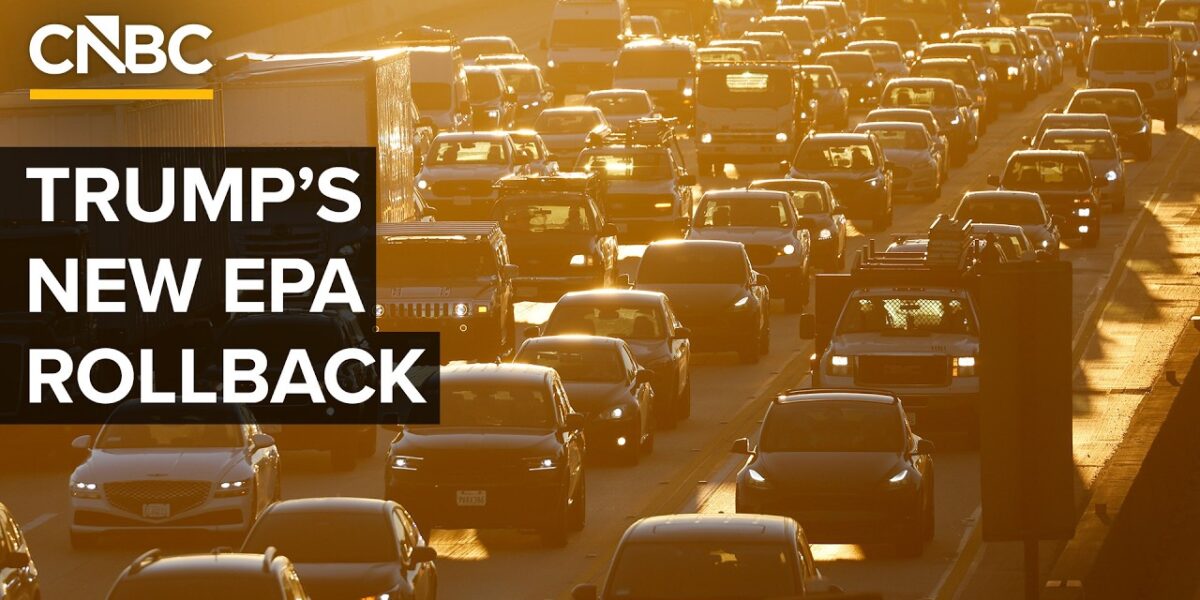
EPA Reverses Key Climate Finding, Signaling Shift for Auto Sector
The Trump administration has repealed a pivotal scientific finding that served as the legal bedrock for the Environmental Protection Agency (EPA) to regulate greenhouse gas emissions. This 2009 ‘endangerment finding’ concluded that six key greenhouse gases, including carbon dioxide and methane, pose a threat to public health and welfare by intensifying extreme weather events. Its reversal is poised to significantly alter the regulatory landscape for the automotive industry, a sector responsible for approximately 28% of the United States’ total greenhouse gas emissions.
Impact on Vehicle Emissions and Costs
The repeal directly removes the regulatory requirements for motor vehicle emissions standards and associated compliance programs. Proponents of the rollback argue it will eliminate an estimated $1.3 trillion in regulatory costs, potentially leading to a substantial decrease in car prices. Federal officials, as reported by the Wall Street Journal, suggested potential savings of up to $2,400 per vehicle. However, critics contend that this deregulation will result in increased pollution, estimating as much as 18 billion tons of additional climate-altering emissions. Furthermore, consumers may face higher long-term costs, with projections suggesting up to $1.4 trillion more spent on fuel for less efficient, higher-polluting vehicles.
Automaker Concerns and Global Competitiveness
For automakers, the regulatory shift introduces significant uncertainty. The automotive industry operates on long development and planning cycles, often spanning five to ten years. A stable and predictable regulatory framework is crucial for strategic investments and innovation. Companies like Ford Motor Company have consistently advocated for a unified, national standard that supports customer choice, market dynamics, societal benefits, and job growth.
“Removing these protections, the endangerment finding clean vehicle standards, removing consumer rebates that support clean vehicles makes it harder to compete in a world that’s globally competitive, where we see companies racing ahead to build the technologies of tomorrow that save people money and cut pollution.”
The rollback of federal clean vehicle standards could hinder American automakers’ ability to compete on a global scale, particularly as other major markets continue to strengthen emissions regulations. Operating under disparate regulatory regimes across different countries complicates product strategy and prevents automakers from achieving economies of scale, which are vital for profitability. Many automakers operating in the U.S. also sell vehicles in regions like Europe, Asia, and Latin America, where strict emissions standards remain in place. This may compel manufacturers to maintain more efficient vehicle fleets globally to avoid developing market-specific models.
Potential for State-Level Action and Legal Challenges
In the absence of federal climate regulations, states are expected to play a more prominent role. Historically, states like California have been instrumental in setting stringent emissions standards that have led to pollution reductions and consumer savings. A resurgence of state-led initiatives is anticipated as the federal government scales back its regulatory actions. This development comes at a time when the administration faces political pressure to address affordability, with a significant portion of the public expressing concerns about economic conditions and energy costs, particularly with midterm elections approaching.
The repeal is also expected to face legal opposition. Environmental groups and a coalition of attorneys general from Democrat-led states have indicated their intent to challenge the decision in court. They argue that the Clean Air Act clearly grants the EPA the authority and responsibility to regulate greenhouse gas emissions and that the scientific evidence supporting the link between these emissions and public health is unequivocal.
Broader Health and Economic Implications
Beyond the direct impact on the auto industry, the reversal of the endangerment finding carries broader implications for public health and the economy. Critics warn of increased pollution contributing to smog, exacerbating respiratory conditions like asthma, and potentially leading to premature deaths. Estimates suggest this could result in up to 58,000 additional premature deaths by 2055. The economic consequences include higher fuel costs for consumers and potential increases in healthcare expenditures related to pollution-induced illnesses.
Market Impact and Investor Considerations
The rollback of federal emissions standards creates a more fragmented and uncertain regulatory environment for the automotive sector. Investors will need to monitor how this plays out across different regions and the potential impact on companies’ long-term strategies for developing and marketing vehicles. The divergence between federal policy in the U.S. and stricter regulations in other major global markets could influence investment decisions, particularly concerning companies heavily reliant on internal combustion engine technology versus those accelerating their transition to electric vehicles and other clean technologies. The potential for increased litigation and state-level regulatory action adds another layer of complexity for market participants.
Source: Trump's EPA Just Rolled Back A Key Climate Finding. What Will It Mean For The Auto Industry? (YouTube)

Related Articles

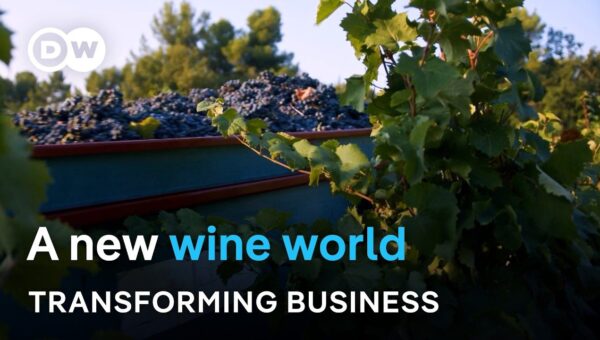
Climate Change Rewrites Global Wine Map
Climate change is dramatically reshaping the global wine industry, forcing winemakers to adapt to extreme weather and changing conditions. From drought-stricken vineyards in Chile to emerging wine regions in Germany, the world's wine map is being redrawn by rising temperatures and water scarcity.


Brazil Floods and Landslides: Death Toll Rises Amidst Emergency
At least 25 people have died and dozens are missing following severe floods and landslides in southeastern Brazil. A state of emergency has been declared as rescue operations continue amidst challenging conditions. The disaster highlights the vulnerability of communities to extreme weather events.


Sun’s Evolution to Render Earth Uninhabitable
Earth faces a profound transformation over the next billion years, primarily driven by the Sun's increasing luminosity. This will lead to dramatic climate shifts, the loss of oceans, and ultimately, the extinction of all life on our planet.