Enniskillen Bombing: Unanswered Questions Haunt Peace
The IRA's Enniskillen bombing of 1987 remains a deeply painful memory, with unanswered questions surrounding the alleged mastermind, Charles C., and the subsequent police investigation. Decades later, the pursuit of justice and truth continues.

Enniskillen Bombing: Unanswered Questions Haunt Peace
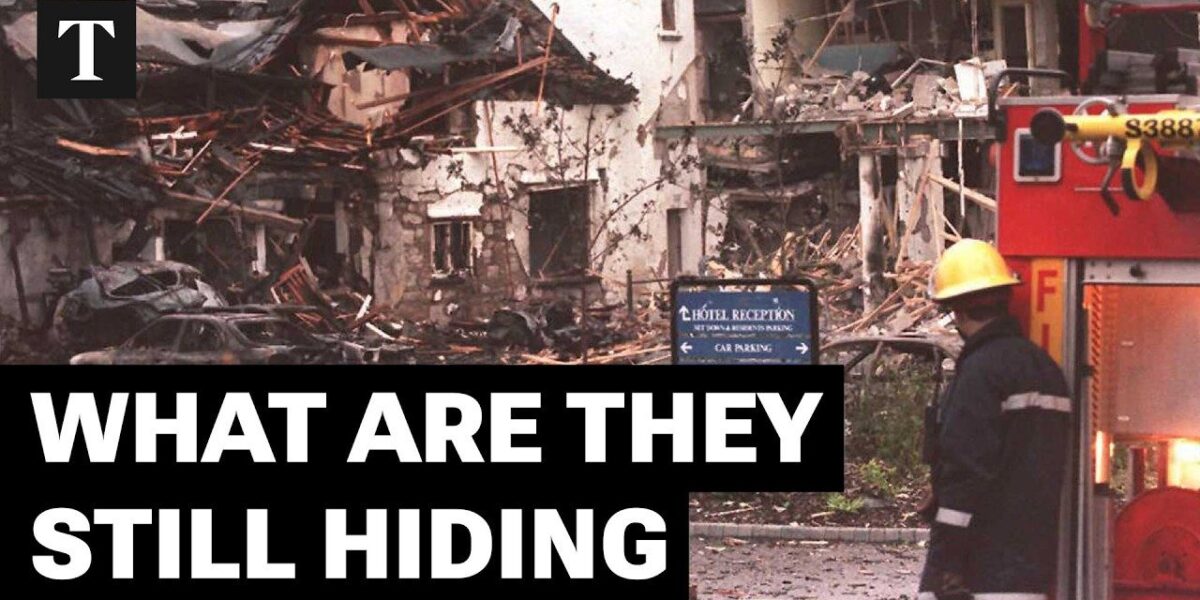
On November 8, 1987, the Provisional IRA detonated a bomb in Enniskillen, Northern Ireland, during a Remembrance Day service, killing 11 civilians and injuring many more. One month later, in the House of Commons, a crucial moment unfolded as Ulster Unionist MP Roy Beggs named Charles C. as the alleged mastermind. This revelation, made under parliamentary privilege, ignited a debate about extradition and justice that continues to resonate decades later, particularly as the video “The IRA’s Enniskillen Bombing: The Aftermath” revisits the event’s complex legacy.
Parliamentary Privilege and the Accusation
In the tense atmosphere of Prime Minister’s Questions on December 8, 1987, Roy Beggs rose to address the House of Commons. He directly accused Charles C., a farmer from the Republic of Ireland, of masterminding the Enniskillen Remembrance Day massacre and being part of a four-man hit squad responsible for over 100 deaths in Northern Ireland. Beggs further alleged that C. was still controlling IRA operations in Fermanagh, the county town of which is Enniskillen. The allegations, though made with legal immunity, were extraordinary, coming from an MP rather than law enforcement. Charles C., then 31, had prior convictions for firearms offenses linked to IRA activity and hailed from a village known for its Republican sympathies.
The Extradition Dilemma and Elusive Justice
Prime Minister Margaret Thatcher, in response to Beggs’ question, affirmed her strong views on extradition and assured the House that she had conveyed these to her Irish counterpart. The call for extradition was controversial at the time, but the grounds presented by Beggs appeared substantial. However, Charles C. was never extradited to the UK. He has consistently denied any involvement in the bombing. Despite being the only person publicly blamed for orchestrating the attack, nearly four decades later, the question of his guilt or innocence remains officially unanswered. The legal principle that an accused must be brought before a court to be found guilty or innocent was never applied in this case.
The Scarred Landscape of Enniskillen
The Enniskillen bombing left an indelible scar on the town and its people. Denel McDaniel, former editor of the local newspaper, The Impartial Reporter, and the first journalist on the scene, described the event as “incongruous” for a town where Protestants and Catholics generally coexisted harmoniously. He recalled the profound impact of Gordon Wilson’s interview, whose daughter Mary was killed in the blast. Wilson’s public declaration of forgiveness and prayer for the bombers resonated deeply, becoming a powerful symbol of peace amidst the tragedy. The location of the bombing, on Belmore Street, adjacent to the war memorial, and the site of the former Reading Rooms community center where the bomb was planted, remain potent reminders of the day’s devastation.
Questions Surrounding the Investigation
The police investigation following the bombing has been subject to significant scrutiny. Despite Prime Minister Thatcher’s pledge that “no stone shall be left unturned,” the investigation’s effectiveness has been questioned. Seven houses were raided on the day of the attack, and eight men were arrested in the following month, but all were eventually released without charge. A decade later, all documents related to these arrests were destroyed due to asbestos contamination in the police station where they were stored. A critical unanswered question is why the Reading Rooms, the very building where the bomb was placed, was not searched by security forces, despite a history of violence in the town and the presence of the Ulster Defence Regiment (UDR), a frequent target of the IRA. The chief constable at the time stated that the building was not considered a credible threat, a rationale that has been widely contested.
The Role of Intelligence and Accusations
The naming of Charles C. by Roy Beggs has fueled speculation about the role of intelligence services. While some security sources pointed to C. as the mastermind, Republican circles vehemently denied his involvement. The truth remains elusive, with the journalist noting that “neither side really knew because it was such a tight operation.” C. himself issued a strong denial, repudiating any involvement and criticizing the press for using parliamentary privilege to spread “loyalist remarks.” His subsequent move to the United States in 1989 further complicated any potential extradition efforts. Although prosecuted in the US for undeclared criminal convictions, he was not deported and reportedly returned to live in the Republic of Ireland.
The Lingering Shadow of the Past
Decades after the Enniskillen bombing, many questions remain unanswered. The lack of a formal trial for Charles C., the perceived shortcomings in the police investigation, and the destruction of crucial documents have left a void where definitive answers should be. The video “The IRA’s Enniskillen Bombing: The Aftermath” highlights the personal impact of this unresolved past, with the narrator, born shortly after the bombing, exploring the enduring trauma and the difficulty of confronting uncomfortable truths, even in a post-Good Friday Agreement Northern Ireland. The investigation suggests that the bomb was transported from the Republic of Ireland and planted by an IRA team. The precise access points and the timing of events on the night before the bombing, including conflicting reports about a gate being locked or open, continue to fuel debate. As the investigation into the Enniskillen bomb continues, the hope is that further clarity can be brought to light, offering some measure of closure to the victims and their families.
What’s Next?
The documentary series “The Poppy Day Bomb” promises further investigation into the Enniskillen bombing. Future episodes will likely delve deeper into the activities of the IRA active service units, the complexities of cross-border operations, and the impact of intelligence gathering during the Troubles. The ongoing search for information and the potential for new leads suggest that the pursuit of justice and truth for the Enniskillen victims is far from over. The series aims to shed light on the lingering questions surrounding the bombing and its aftermath, particularly concerning the alleged role of Charles C. and the effectiveness of the subsequent investigation.
Source: The IRA's Enniskillen Bombing: The Aftermath (YouTube)

Related Articles
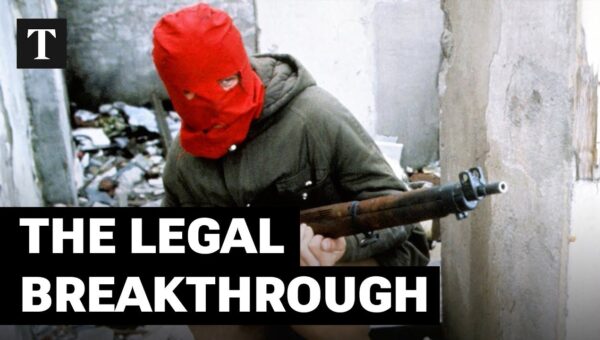
Enniskillen Bombing: New IRA Suspects Emerge in Investigation
A podcast investigation into the 1987 Enniskillen Poppy Day bombing has reportedly uncovered new leads, identifying at least two living individuals allegedly linked to the Provisional IRA unit responsible. The breakthrough comes after extensive efforts to gather information, offering a glimmer of hope for victims' families seeking truth.
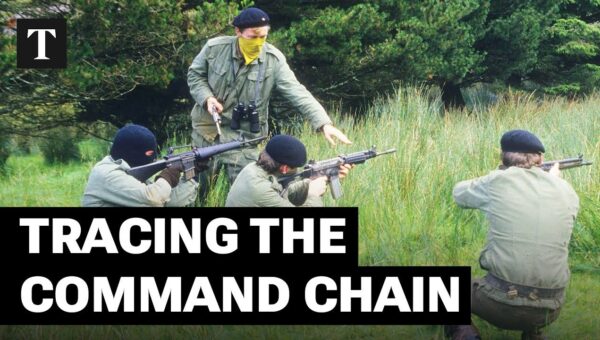
IRA’s Enniskillen Bombing: Who Ordered the Attack?
A deep dive into the IRA's 1987 Enniskillen bombing reveals lingering questions about who ordered the attack and why truth remains elusive. The investigation explores former IRA perspectives, internal dissent, and the controversial role of Martin McGuinness, whose transition to a peace process leader may have shielded him from accountability.
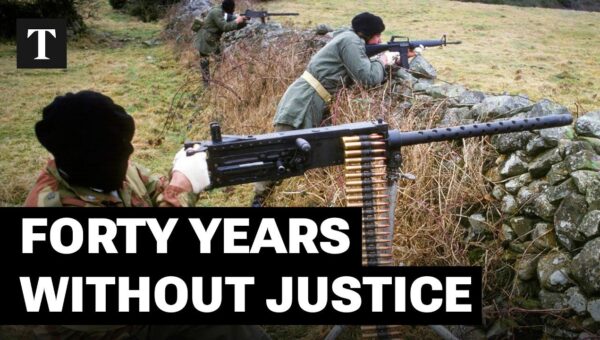
Enniskillen Bombing: The ‘Dirty War’ and Lingering Questions
This investigative report explores the lingering mysteries surrounding the 1987 Enniskillen bombing, delving into the "dirty war" of intelligence gathering and the potential for state involvement. Despite extensive efforts, a significant lack of actionable intelligence persists, raising questions about accountability and the pursuit of truth for the victims' families.