Enniskillen Bombing: The ‘Dirty War’ and Lingering Questions
This investigative report explores the lingering mysteries surrounding the 1987 Enniskillen bombing, delving into the "dirty war" of intelligence gathering and the potential for state involvement. Despite extensive efforts, a significant lack of actionable intelligence persists, raising questions about accountability and the pursuit of truth for the victims' families.

Enniskillen Bombing: The ‘Dirty War’ and Lingering Questions
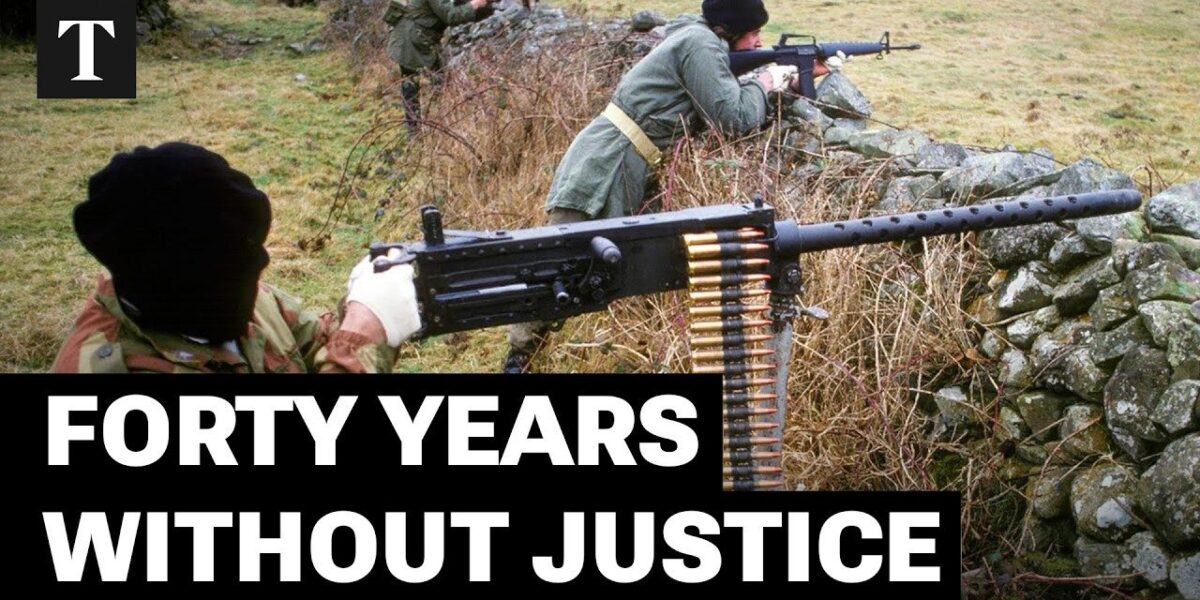
The 1987 Enniskillen bombing, a horrific act of terrorism by the Provisional IRA that claimed 12 lives and injured dozens more, remains a grim marker in Northern Ireland’s Troubles. Despite the enormity of the atrocity, a pervasive lack of concrete intelligence and unresolved questions continue to haunt the investigation and the families of the victims. This investigation delves into the “dirty war” of intelligence gathering, the potential for state complicity, and the elusive figures who may hold the key to understanding what truly happened on that fateful Poppy Day.
The Intelligence Void
In the aftermath of the Enniskillen bombing, then-Prime Minister Margaret Thatcher vowed that no stone would be left unturned in the pursuit of justice. However, as journalist Mario Ledwith explores in this investigation, the reality on the ground revealed a stark void of actionable intelligence. Ledwith speaks with Ian Hurst, a former handler for the Force Research Unit (FRU), a secretive intelligence unit of the British Army. Hurst admits that despite a significant increase in resources and efforts in the Enniskillen area following the bombing, the intelligence gathered yielded “next to nothing” specifically related to the attack itself.
“We had a you might describe as a a poor coverage within that area and there had been no recruitments of agents for a number of years. There were agents on the books, but they weren’t of the quality you’d really really would want.” – Ian Hurst, former FRU handler
Hurst expresses bewilderment at this dearth of information, noting that most other incidents during the Troubles yielded clearer intelligence within months. He states, “I genuinely and honestly have no idea as to why there was such a derth of intelligence.” This lack of corroborated information from multiple sources is particularly perplexing given the scale of the attack and the extensive intelligence apparatus in place, including the Royal Ulster Constabulary’s Special Branch and MI5.
The Anonymous Letter and Allegations of Complicity
Adding another layer of intrigue and anguish is an anonymous letter that surfaced decades after the bombing. Received by the Irish Foreign Minister just six days after the attack, the letter only came to light in 2018 when Irish National Archives documents were made public. The author, claiming to be an MI5 agent, made the astonishing allegation that British intelligence services had prior knowledge of the bombing and deliberately allowed it to occur, even tampering with the bomb’s timing device to ensure the IRA would “score an own goal” and face a public backlash.
“Our section decided to change the timing device and let the explosion take place so that the IRA would score an own goal and create a massive backlash against itself.” – Alleged MI5 agent in anonymous letter
Ian Hurst dismisses the letter as lacking substance and corroboration, stating, “It’s not signed. It’s making allegations. It literally is not worth the paper it’s written on.” He further points out that the letter’s narrative does not align with the operational structures of MI5 and its supporting units like the FRU or 14 Intelligence Company, suggesting it lacks insider knowledge.
The Man with the Limp: A Person of Interest
The investigation also focuses on a specific individual, a man described as having a distinctive limp and seen in the reading rooms in Enniskillen the night before the bombing, carrying a bag. This sighting, documented in a police report, makes him a significant person of interest. Ledwith’s inquiries lead him to the man’s former wife, who confirms his limp and his involvement with Republican circles, including regular trips to border towns known for IRA connections.
She recalls him being away from home the night before the bombing, stating, “He was in here at the end of skin when he left and he didn’t go back to the next morning about 7.” When asked if she ever suspected his involvement, she admits, “It’s the first thing came into me head.” Her description also aligns with the pinstriped suit mentioned in police reports.
Further investigation reveals that this man, after the 1998 peace agreement, was arrested in 2000 as part of a plot by a dissident Republican group to bomb a police station. While three others were convicted, he was not charged and subsequently disappeared from Northern Ireland, with security contacts suggesting he was working as an informer for the Special Branch. This revelation raises critical questions about whether his potential role as an informant could have influenced the original Enniskillen investigation.
Obstacles to Truth and Accountability
A former detective involved in a historical review of the Enniskillen bombing expressed shock at the limited intelligence in the files. He highlighted the man with the limp as a key line of inquiry but claims he was met with “a wall of resistance” from senior officers when he sought to interview him. The detective was eventually moved off the case, stating, “it stank.”
When approached for comment, the Police Service of Northern Ireland stated they are legally prohibited from continuing Troubles-related criminal investigations and that the Independent Commission for Reconciliation and Information Recovery is the sole body with the power to review such deaths. This stance, while legally sound, leaves families in a perpetual state of uncertainty.
Ledwith eventually tracked down the man with the limp to mainland Britain. However, upon confronting him, the man, after initially acknowledging the journalists, retreated into his home. Shortly thereafter, police arrived, and the journalists were asked to leave. The man with the limp, when later contacted, did not respond to questions regarding his potential informant status, his departure from Northern Ireland, or any involvement in the Enniskillen bombing.
Unanswered Questions and Future Implications
The investigation into the Enniskillen bombing, as highlighted by this “dirty war” narrative, underscores the profound challenges in achieving justice and closure in the context of historical conflict. The lingering “ghosts” of unanswered questions, potential state complicity, and elusive individuals continue to cast a shadow over the memory of the 12 who died. The refusal of authorities to comment on specific lines of inquiry and the obstacles faced by investigators suggest that the full truth behind the Enniskillen bombing may remain out of reach, a painful reminder of the complexities and compromises inherent in the pursuit of peace and accountability.
Source: The IRA's Enniskillen Bombing: The "Dirty War" (YouTube)

Related Articles
Enniskillen Bombing: New IRA Suspects Emerge in Investigation
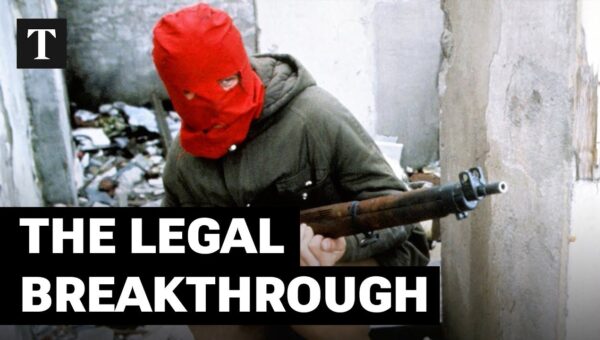
A podcast investigation into the 1987 Enniskillen Poppy Day bombing has reportedly uncovered new leads, identifying at least two living individuals allegedly linked to the Provisional IRA unit responsible. The breakthrough comes after extensive efforts to gather information, offering a glimmer of hope for victims' families seeking truth.
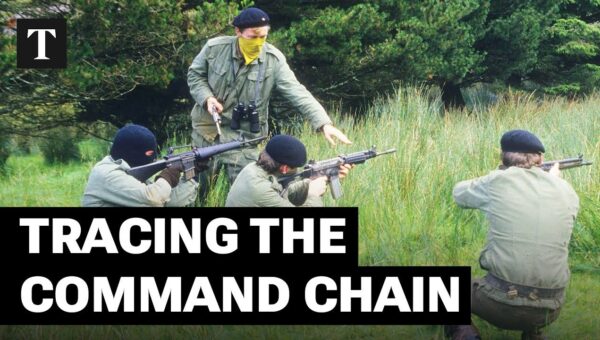
IRA’s Enniskillen Bombing: Who Ordered the Attack?
A deep dive into the IRA's 1987 Enniskillen bombing reveals lingering questions about who ordered the attack and why truth remains elusive. The investigation explores former IRA perspectives, internal dissent, and the controversial role of Martin McGuinness, whose transition to a peace process leader may have shielded him from accountability.
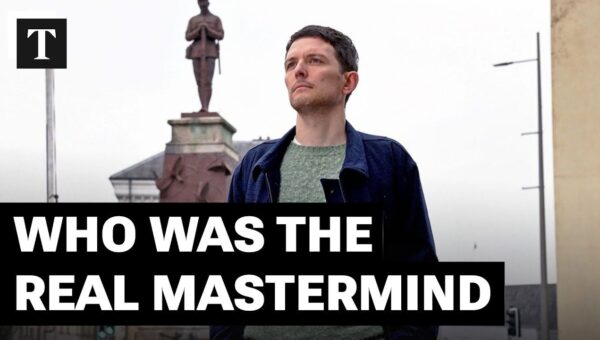
Enniskillen Bombing: Uncovering the IRA Mastermind’s Identity
A deep dive into the 1987 Enniskillen bombing, exploring overlooked evidence, potential IRA motives including revenge for the Loughgall ambush, and the elusive search for alleged mastermind Charles C. Grada. The article also examines the averted tragedy of a second bomb in Tullyhomman and the complexities of cross-border policing during The Troubles.