Energy Prices To Plummet As Iran Talks Progress
Record U.S. oil and gas production is positioning the nation to weather global energy shocks. Experts predict a sharp drop in prices if diplomatic talks with Iran succeed. Government actions are also helping to stabilize markets.

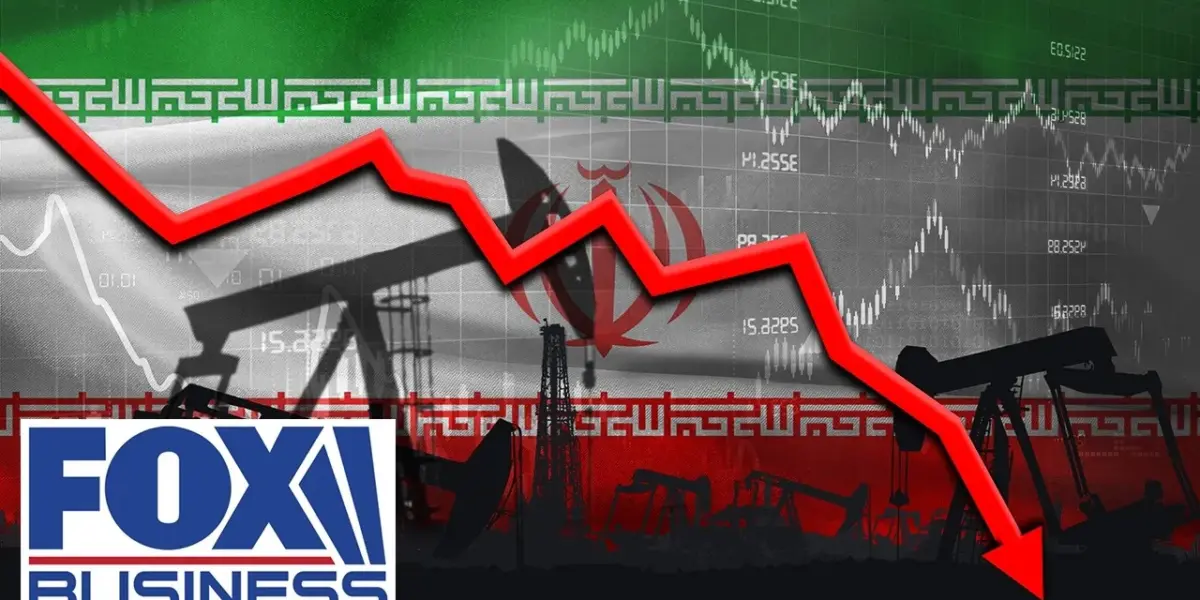
U.S. Energy Dominance Cushions Global Shocks, Experts Predict Price Collapse
Record-breaking oil and natural gas production has placed the United States in a powerful position as global leaders aim to de-escalate tensions with Iran. Energy officials believe that successful peace talks could lead to a dramatic drop in energy prices, potentially sending gasoline back below $3 a gallon.
This outlook comes amid what some are calling the biggest disruption to the world energy market in history. However, U.S. Energy Secretary Chris Wright stated that the nation’s ability to withstand these pressures is largely due to its high levels of oil and gas output. He anticipates that once diplomatic efforts begin to resolve the conflict, consumers will see prices fall sharply. The Strait of Hormuz, a critical waterway for oil transport, is expected to return to normal operations.
Government Actions to Stabilize Markets
To manage the current market volatility, officials are taking several steps. The Strategic Petroleum Reserve (SPR) has been tapped, releasing over 1 million barrels of oil per day into the market. Additionally, for a temporary period, Iranian oil that was previously under sanction is now being allowed to reach refineries, adding approximately 140 million barrels to global supply. These measures aim to ease immediate supply concerns.
Despite these efforts, gasoline prices remain elevated. The national average price for a gallon of gasoline stands at $3.97. In 12 states, drivers are already paying over $4 per gallon, and in three states, the cost has surpassed $5. This highlights the global impact of the ongoing geopolitical situation on everyday consumers.
Natural Gas Production Offers a Buffer
The United States is currently producing more natural gas than any other nation. This surge in natural gas output is helping to shield the U.S. from the price swings caused by international conflicts. The chief executive of Constellation Energy, the world’s largest electricity provider, noted that countries and companies are actively seeking this kind of protection from energy market disruptions.
“There is going to be a risk overhang of doing business in the Gulf and that means if you’re buying energy from the Gulf you’ve got a wake-up call through this crisis that Iran reserves the ability to shut you off.”
This statement underscores the heightened awareness of geopolitical risks associated with energy supplies from the Persian Gulf region. The crisis has served as a stark reminder that energy access can be disrupted by regional conflicts.
Monitoring the Strait of Hormuz
Iranian speedboats have been observed patrolling the Strait of Hormuz. Since the conflict began, 21 Iranian vessels carrying 37 million barrels of oil have traversed the strait. These actions appear to be a show of force, intended to signal control over the vital shipping lane. However, there are signs of progress, with eight vessels without Iranian flags successfully crossing the strait on a recent day. This indicates that diplomatic channels may be yielding positive results.
Market Impact and Investor Considerations
The potential for a swift resolution to the Iran conflict and the subsequent drop in energy prices could have significant implications for various sectors. Airlines and transportation companies, which are heavily reliant on fuel, could see their operating costs decrease, potentially boosting profits. Conversely, energy producers, especially those focused on oil, might face reduced revenues if prices fall dramatically. Investors may want to watch how these dynamics play out across different energy sub-sectors.
The U.S.’s strong position in natural gas production offers a degree of insulation against future geopolitical shocks. This could make investments in domestic natural gas infrastructure and companies more attractive in the long term. The global energy market is complex, and price movements are influenced by a combination of supply, demand, and geopolitical events. The current situation highlights the importance of diverse energy sources and robust domestic production capabilities.
For consumers, the prospect of lower gasoline prices is welcome news, offering some relief from recent price hikes. The ability of the U.S. to influence global energy markets through its production levels is a key takeaway from the current events. As diplomatic efforts continue, the market will be closely watching for further signs of de-escalation and their impact on energy affordability worldwide.
Source: 'DROP LIKE A ROCK': Energy chief predicts MASSIVE gas crash after Iran talks (YouTube)

Related Articles

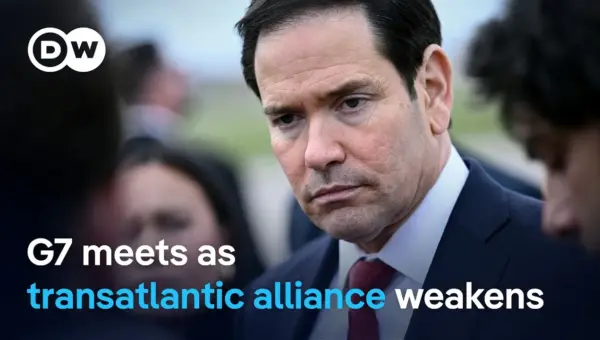
G7 Allies Clash Over Iran War Strategy, Urge Focus on Russia
G7 foreign ministers met in Paris, revealing deep divisions over the U.S. war with Iran. European allies urged the U.S. to pressure Russia, linking its actions to the conflict and fearing support for Ukraine will wane.

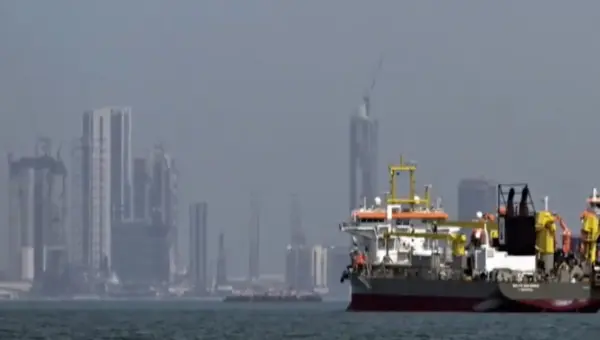
Iran Blocks China Ships, Exposing Beijing’s Weak Grip
Iran's recent decision to block Chinese ships at the Strait of Hormuz is exposing the limits of Beijing's influence in the Middle East. This action is causing delays and cancellations for Chinese manufacturers, turning a perceived geopolitical win into an economic strain.

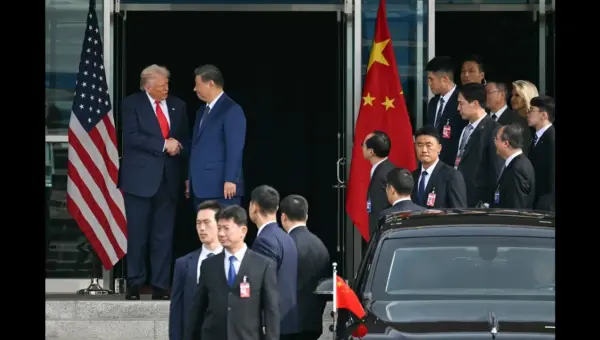
Trump’s “Walk Away” Tactic Signals Tougher Stance on China
Retired Air Force Brigadier General David Stillwell believes President Trump's strategy of being willing to walk away from negotiations puts pressure on China. This tactic, combined with US global actions and strengthened alliances, signals a more assertive American foreign policy.