Energy Expert Warns of Oil Shortages Within Weeks
Energy expert Nick Butler warns of impending physical oil shortages within two to three weeks, urging the UK government to act swiftly. He highlights the critical halt of North Sea oil projects like Rosebank and Jack Door, emphasizing the need for increased domestic production to ensure energy security and avoid reliance on imports amidst global supply disruptions.


North Sea Oil Projects Halted Amidst Energy Crisis
The United Kingdom faces a looming energy crisis, with expert Nick Butler predicting physical oil shortages within the next two to three weeks. Butler, a former vice president for strategy and policy at BP, highlighted the critical situation surrounding the Rosebank and Jack Door fossil fuel sites in the North Sea. These projects, initially approved and granted licenses, are now in legal limbo after the Labor government halted them. The uncertainty stems from concerns over potential environmental impacts, forcing the companies to reapply for licenses. This decision has left the future of these vital energy sources uncertain, exacerbating the current energy challenges.
Expert Warns of Immediate Supply Disruptions
Speaking on the unfolding situation, Nick Butler expressed deep concern, drawing parallels to the insufficient response before the COVID-19 pandemic. He stated, “I think that’s what’s happening now. There is a crisis coming. I think within the next two to three weeks you will see physical shortages.” This grim forecast has been echoed by major energy companies, with Shell confirming the potential for widespread shortages. While the direct impact on the UK remains uncertain, Butler emphasized the possibility of facing significantly higher prices for imported oil and gas.
Call for Urgent Government Action on North Sea Development
Butler urged the government to act with urgency, calling for the immediate review of the environmental assessment for the North Sea projects. He believes the assessment will likely permit the work to proceed, allowing companies to continue their efforts and investments. “I think it should be called in tomorrow and I think we need to see what that assessment says,” Butler advised. He stressed that developing the North Sea reserves, estimated at billions of barrels of oil and gas, is crucial for the UK’s energy security. The expert also pointed to the negative economic consequences, including job losses in Aberdeen and other parts of Scotland, due to the industry’s current decline.
Political Hurdles and Economic Logic
The decision to halt North Sea operations presents a political dilemma for the Labor government, potentially contradicting their manifesto promises. However, Butler argued that current events necessitate a re-evaluation of prior commitments. “We are still going to need oil and gas,” he stated, highlighting that 96% of vehicles still run on petrol and diesel. He questioned the economic logic of shutting down domestic production when the alternative is increased reliance on imports. Butler noted that trade unions and the business community find the government’s stance on this issue “inexplicable and irrational.”
Security of Supply vs. Global Prices
When questioned about the argument that domestic gas production wouldn’t lower costs due to global price fluctuations, Butler countered that it offers a crucial degree of security. “Because it’s our own oil and gas, I think that that gives us a degree of security plus the benefits of the jobs involved in further development and the benefit of the tax revenue to the exchequer,” he explained. He also advocated for reviewing the tax system for North Sea exploration, suggesting that current high taxes may deter investors. “I think we should be trying to attract them back. We this is a a matter of urgency about security of supply and everything should be done to maximize that supply,” Butler urged.
Renewables and the Need for a Balanced Approach
Addressing the concern that North Sea development might slow the UK’s transition to renewables, Butler insisted that a balanced approach is necessary. “No, we need them all. We need wind and solar and nuclear, but I don’t think you can do those until… the grid is ready to receive them all,” he said. He pointed out that 75-80% of the UK’s current energy comes from oil and gas, and renewables cannot replace this rapidly. Butler called for a comprehensive review of energy policy to ensure security of supply while pursuing green energy goals.
Preparing for Potential Fuel Rationing
Butler reiterated his concerns about potential fuel rationing, previously linking it to the conflict in the Middle East. He warned that continued disruptions to oil supply through the Strait of Hormuz could lead to shortages. “Someone is going to get less supply and I think some of that will come down to come to us some of that pain and also we are going to face world prices that have gone up quite dramatically and they could go up further,” he stated. Butler suggested that the government should be planning how to manage such a situation, including protecting essential services like food supply, hospitals, and schools. He also mentioned measures like a four-day work week or encouraging efficiency as potential responses, emphasizing the need for a clear, fair, and reassuring government plan.
“I think within the next two to three weeks you will see physical shortages.”
Looking Ahead: Awaiting Government Decisions
The coming weeks will be critical as the government decides the fate of the North Sea projects and addresses the urgent calls for increased domestic energy production. The potential for physical oil shortages and rising prices looms large, demanding decisive action. The public will be watching closely to see if the government can balance environmental concerns with the immediate need for energy security and economic stability, potentially leading to a significant review of the UK’s overall energy strategy.
Source: Physical Oil Shortages Within 2-3 Weeks, Says Energy Expert (YouTube)

Related Articles

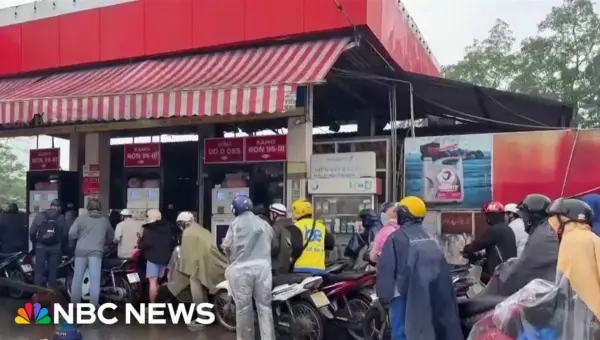
Asia Faces Oil Shortages as Middle East War Disrupts Global Energy
A war in the Middle East has triggered widespread oil and gas shortages across Asia, leading to protests, rationing, and long fuel lines. The crisis, described as the largest supply disruption in history, is forcing governments to take drastic measures and is creating economic strain throughout the continent. Analysts are closely watching the Strait of Hormuz and diplomatic efforts to ease the energy emergency.

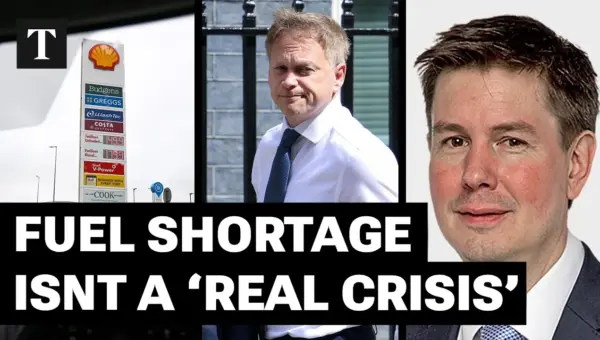
UK Diesel Shortage Fears: Government Urged to Prepare
The UK faces potential diesel supply shortages starting mid-April due to global tensions impacting shipping routes. Experts urge the government to prepare contingency plans, warning of price hikes and disruptions. While a complete lack of fuel isn't expected, proactive measures are seen as crucial to avoid panic and ensure supply chain stability.


Middle East War Sparks Farmer Crisis in US
American farmers are facing a severe cost crisis as the war in the Middle East drives up prices for essential supplies like fertilizer and fuel. The conflict's disruption to global shipping routes is creating economic hardship, adding to existing challenges from trade wars and market fluctuations. Farmers are calling for stability and open markets rather than bailouts.