Energy Crisis Sparks Global Trade Disruptions
Global trade is facing its worst disruption in 90 years due to energy shortages, primarily from disruptions around the Strait of Hormuz. Nations are experiencing fuel scarcity, impacting everything from garbage collection to food supply chains. Markets have yet to fully price in the potential economic fallout from this escalating energy crisis.


Global Trade Faces Unprecedented Strain Amidst Energy Shortages
The world is grappling with its most severe trade disruption in nearly a century, according to the World Trade Organization. This crisis, largely stemming from disruptions in key global oil shipping lanes, is leading to widespread energy shortages and sparking fears of economic instability. The situation is so dire that some nations are implementing energy rationing, reminiscent of the COVID-19 lockdowns, but with potentially more severe consequences.
Strait of Hormuz Blockade Triggers Domino Effect
At the heart of the current turmoil is the ongoing issue around the Strait of Hormuz, a critical chokepoint through which approximately 20-30% of the world’s oil passes. With tensions high and strategic maneuvers underway, this vital artery for global energy supply has seen significantly reduced traffic. This blockade is not just impacting oil flow; it’s creating a ripple effect across industries that rely on energy and fuel for production and transportation.
Nations Grapple with Fuel Shortages and Rising Costs
Countries worldwide are already feeling the impact. Australia is facing severe fuel shortages, with hundreds of gas stations running out of diesel and gasoline. This has led to disruptions in essential services like garbage collection, with some areas only collecting waste every two weeks instead of weekly. In the Philippines, the situation escalated to the point where a national energy emergency was declared. With 98% of its oil imported from the Gulf, the country is experiencing a 100% rise in gas prices, prompting government aid for drivers.
Supply Chain Vulnerabilities Exposed
The crisis highlights the fragility of global supply chains. An Australian farmer pointed out that producing a single crop requires tens of thousands of liters of diesel. Without fuel, harvesting and transportation become impossible, directly impacting the availability of food on store shelves. This lack of fuel is not theoretical; it’s a growing reality that threatens food security globally. For nations with limited strategic oil reserves, the situation is particularly precarious. For instance, Vietnam has only about 6 days of oil supply left, while countries like Cambodia and Bangladesh have reserves lasting around 17 and 14 days, respectively.
Beyond Oil: LNG and Fertilizer Concerns
The energy crunch extends beyond crude oil. Liquefied Natural Gas (LNG) supplies are also under pressure, with disruptions to pipelines. Taiwan, heavily reliant on LNG for 40% of its power generation, has an LNG stockpile that could last only about 11 days. This could force the nation, a major semiconductor manufacturer, to ration power to its industrial sector. Furthermore, fertilizer prices are skyrocketing, as fertilizer production and transport are heavily dependent on energy and oil. This increase in fertilizer costs directly impacts agricultural output and food prices.
Market Disconnect and Potential Economic Fallout
Despite the escalating crisis, the speaker notes a significant disconnect between the unfolding events and market reactions. Stock markets in affected regions, such as Taiwan and India, have seen only modest declines, far less than what might be expected given the severity of the energy situation. This suggests that markets may not have fully priced in the potential economic fallout. The speaker warns that if the conflict and subsequent supply disruptions continue, the impact on global markets could be substantial, potentially leading to widespread inflation, unemployment, and industry shutdowns, mirroring scenarios seen during the oil crises of the 1970s.
Preparing for an Energy-Constrained Future
The current situation points towards a new form of lockdown, one driven by energy scarcity rather than a virus. This could involve government restrictions on energy usage, limiting non-essential travel, and potentially impacting factory operations. The speaker advises having cash readily available, not only for potential price surges in essential goods but also to capitalize on market downturns when they occur. While hoping for a swift resolution, the advice is to prepare for a world where energy constraints could significantly alter daily life and economic activity.
The Wider Implications of Geopolitical Tensions
The conflict’s impact is far-reaching, affecting not only energy supplies but also potentially challenging the global standing of major powers. The ability of a global superpower to protect vital shipping lanes is seen as a measure of its influence. If these chokepoints remain vulnerable, it could reshape international dynamics. The strategy employed by Iran, using these small but critical straits to exert influence, demonstrates a low-cost, high-impact approach to disrupting the global economy. This complex geopolitical situation underscores the interconnectedness of global trade, energy security, and international relations.
Source: The World Is NOT Ready for This Lockdown [Worse Than Covid] (YouTube)

Related Articles
Iran Blocks China Ships, Exposing Beijing’s Weak Grip
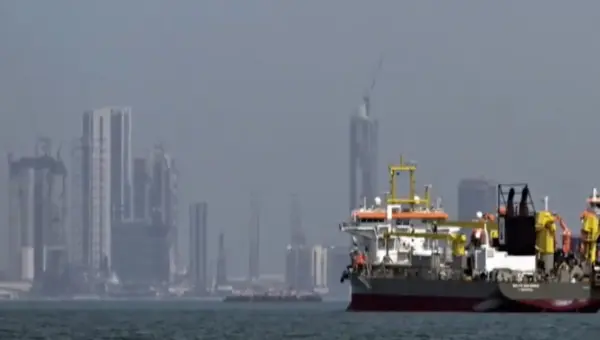
Iran's recent decision to block Chinese ships at the Strait of Hormuz is exposing the limits of Beijing's influence in the Middle East. This action is causing delays and cancellations for Chinese manufacturers, turning a perceived geopolitical win into an economic strain.
Rubio: US Can Achieve Iran War Goals Without Troops
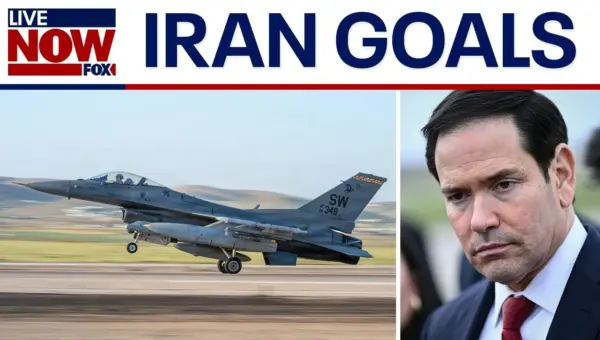
Senator Marco Rubio outlined a strategy to counter Iran without deploying U.S. ground troops, focusing on weakening the regime and enhancing maritime security. He also criticized Cuba's economic system and expressed concerns about West Bank violence.


Farmers Need Innovation and Support Now
As planting season begins, American farmers face rising costs and global disruptions. An industry analyst calls for more innovation, investment, and policy support to ensure the future of family farms and food security for all.