Emotion vs. Reason: The Ancient Divide in Our Minds
An analysis of the ancient philosophical and religious distinction between vices, rooted in emotion, and virtues, grounded in reason. It argues that embracing reason leads to clarity, awareness, and a more fulfilling life, offering a fresh perspective on human suffering and well-being.

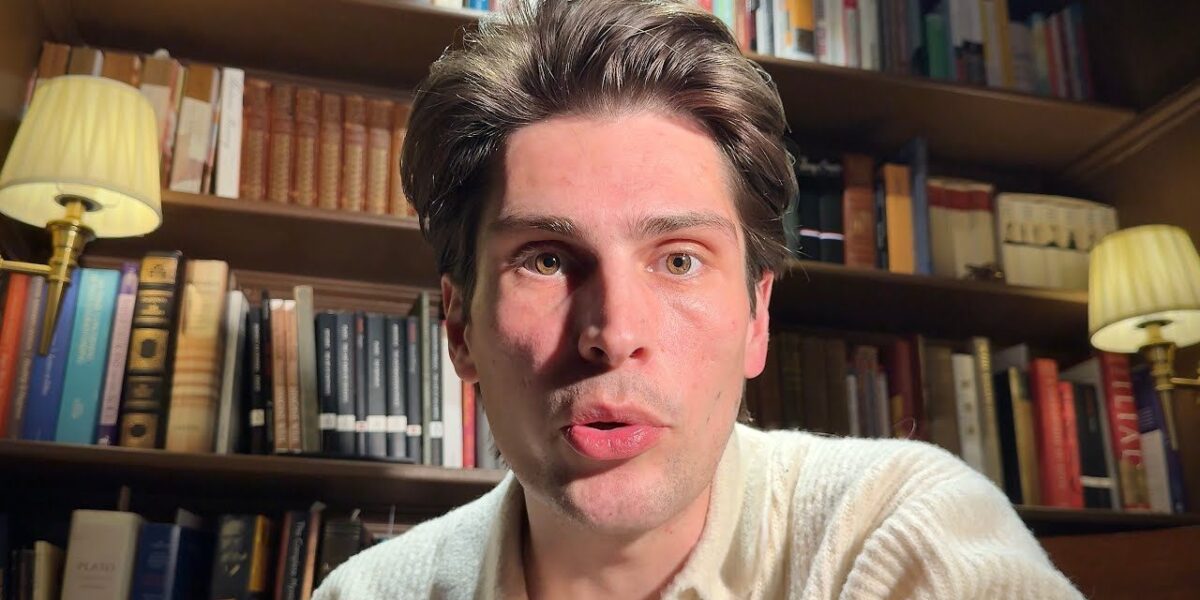
Emotion vs. Reason: The Ancient Divide in Our Minds
The human experience is often characterized by a fundamental internal conflict. We profess a desire to shed emotions like fear, anger, and hate, recognizing their destructive potential. Yet, we cling to them, believing they serve essential purposes: fear to alert us to danger, anger to motivate change, and hate to hold wrongdoers accountable. This paradoxical relationship with our emotions forms the bedrock of much human suffering, a realization that has propelled many, including the author of this analysis, toward philosophy in search of universal answers.
In an era often defined by subjective truths, the search for commonalities across cultures and time periods becomes paramount. This exploration reveals a profound, recurring theme in world religions and philosophies: the distinction between vices and virtues. Far from being solely theological or academic concepts, these are observable patterns of human behavior and internal states that have been recognized for millennia.
The Core Distinction: Vice as Emotion, Virtue as Reason
The most striking insight, often overlooked in contemporary discourse, is the fundamental nature of vices and virtues. Vices such as greed, envy, lust, and sloth are intrinsically emotional. Conversely, virtues like honesty, modesty, prudence, temperance, kindness, and justice are rooted in reason. This dichotomy offers a powerful lens through which to understand our struggles and aspirations.
“All vices are of emotion and all so-called virtues are of the nature of reason.”
Our regrets and suffering, the transcript argues, stem from actions taken under the sway of powerful emotions—anger, fear, greed, lust. Conversely, moments we cherish, actions we approve of, and a sense of inner peace are consistently linked to decisions made through reason and awareness. When we are angry, we are, in essence, temporarily unaware, acting in ways contrary to our rational selves. As Seneca famously stated, “anger is temporary madness.” This emotional blindness prevents us from truly knowing ourselves or our circumstances, leading to actions we later lament.
The Problem with Traditional Motivations
For centuries, religions and philosophies have advocated for a virtuous life. However, the motivations offered have often failed to resonate. Religious doctrines, promising divine reward or punishment, lose their efficacy for those who do not subscribe to belief in a deity. Philosophical prescriptions, which sometimes suggest detachment from society or an ascetic existence, can appear impractical, impossible, or even selfish to the average person grappling with daily life.
This disconnect leaves individuals vulnerable. When the siren call of greed, anger, or fear arises, lacking robust, personally relevant arguments and the inner strength to resist, people often succumb. The missing piece, it seems, is a compelling, experiential reason to embrace virtue.
Reason as the Path to Clarity and Awareness
Understanding that vices are emotional and virtues are rational provides this missing rationale. Choosing virtue is not merely about adhering to a moral code; it is about choosing clarity, awareness, and a life that is truly lived and remembered. A life dominated by emotion is one that passes by unexamined, often leaving a wake of regret and shame. In contrast, a life guided by reason, where emotions are balanced and checked, is not only fulfilling but also deeply aware. We are present for our own lives, not merely swept along by them.
Consider the virtue of honesty. The act of deceit is complex, demanding constant vigilance, intricate planning, and the perpetual anxiety of being discovered. Honesty, on the other hand, is simple. It liberates us from the burden of maintaining falsehoods, allowing for genuine expression and peace of mind. This simplicity and ease are not incidental benefits; they are direct consequences of aligning our actions with reason.
Reframing Emotions: Tools, Not Masters
This perspective does not advocate for the suppression of emotions. Instead, it suggests understanding their true nature and purpose. Emotions like guilt and shame, for instance, are not meant to be enduring punishments but rather intuitive signals—temporary tools designed to alert us to harmful behavior so we can cease it. Carrying guilt for years after an offense is like holding onto a broken tool; its utility has passed, and it only causes further pain.
A life of virtue, therefore, is not emotionless but rather one that uses emotions appropriately, honoring their intended purpose without allowing them to dictate our actions. It is a life of balanced awareness, not emotional suppression.
Love: Reason in Disguise?
Perhaps the most profound misconception addressed is the categorization of love as an emotion. The analysis posits that love is not a feeling but a state of being—a state of peace characterized by the absence of negative emotions like hate, anger, guilt, and fear. Love, in this view, is inherently rational. It does not demand, shame, guilt, or seek validation through ambition or jealousy.
The confusion arises from conflating love with care. Care, an emotion, often leads to worry, anxiety, resentment, and conflict when the object of care is perceived to be threatened. Love, however, is an internal state that requires no external validation or defense. It is a reasoned approach to existence, distinct from the demanding nature of emotional care.
An Invitation to Experimentation
The core message is an invitation to a grand experiment. Given that clinging to emotions like anger, hate, and fear has demonstrably not worked—leading to suffering, regret, and a life unexamined—why not try the opposite? Why not, as a scientific experiment, choose reason over emotion, awareness over unawareness, and clarity over clouded judgment?
The author suggests approaching life’s challenges with a spirit of inquiry: What happens if we don’t act out of anger? What if we challenge fear on principle? The hypothesis is that every action possible with an emotion can be performed more effectively with reason, logic, and clarity. This approach, championed by the wisest minds throughout history, offers a path to a simpler, more joyous, and more fulfilling existence. It is a call to reclaim the essence of ancient wisdom, stripped of institutionalized dogma, and applied pragmatically to our modern lives.
Why This Matters
This analysis provides a compelling framework for navigating the complexities of human psychology and behavior. By distinguishing between the nature of emotions (vices) and reason (virtues), it offers a practical, self-evident motivation for ethical living. The argument shifts the focus from external rewards or punishments to the internal benefits of clarity, awareness, and peace. In a world often overwhelmed by emotional reactivity and subjective experience, the emphasis on reason and awareness offers a grounding principle. It suggests that cultivating virtues is not about suppressing our humanity but about enhancing it, leading to a more authentic, less regretful, and ultimately more joyful life. The redefinition of love as a reasoned state of being, rather than a volatile emotion, is particularly significant, offering a more stable and profound understanding of human connection and well-being.
Implications, Trends, and Future Outlook
The insights presented resonate with contemporary trends in psychology and mindfulness, which increasingly emphasize emotional regulation, self-awareness, and cognitive reframing. The idea that virtues are rooted in reason and lead to greater clarity aligns with therapeutic approaches that encourage rational thought and mindful observation of emotions without being controlled by them. The future outlook suggests a growing appreciation for ancient wisdom when it is presented through a rational, experiential lens, detached from dogma. As individuals continue to seek meaning and well-being, this framework offers a sustainable path toward personal growth and a more harmonious existence, moving away from the fleeting intensity of emotion towards the enduring strength of reason.
Historical Context and Background
The exploration of vices and virtues as fundamental aspects of the human condition has a deep historical lineage. Ancient Greek philosophers like Aristotle, in his Nicomachean Ethics, extensively discussed virtues as character states developed through habit and guided by reason, often finding the mean between extremes of emotion. Stoicism, with figures like Seneca and Epictetus, emphasized the power of reason to control passions and achieve inner tranquility, viewing emotions like anger and fear as irrational judgments. Eastern philosophies, such as Buddhism, also focus on understanding the nature of suffering, often linked to attachment and aversion (emotional states), and advocate for practices that cultivate wisdom and equanimity (states akin to reason and peace). The transcript effectively synthesizes these ancient traditions, highlighting their common ground in recognizing the dichotomy between emotion-driven vices and reason-driven virtues, while critically assessing why these timeless messages have often failed to gain widespread traction.
Source: Vice is of emotion, virtue is of reason (YouTube)

Related Articles

Aligning with Reality: The Antidote to Disappointment
This analysis explores the human tendency to reject reality and its consequences, drawing on philosophical insights to argue for aligning personal will with objective truth as a path to overcoming disappointment and fostering a more meaningful life.

The Paradox of Virtue: Why Pursuing Morals Can Make Us Worse
The pursuit of virtues like honesty and kindness, while noble, can paradoxically lead to judgment and resentment. This analysis explores how adhering to moral codes for external validation or self-improvement can be self-defeating, offering a path towards genuine non-judgment through intrinsic motivation and self-interest.

Beyond the Person: The Enduring Power of Shared Values
This analysis explores the idea that true love is not for the person themselves, but for the enduring virtues and ideas they embody. It suggests that our deepest connections are with universal principles like kindness and honesty, which transcend mortality and offer a path to lasting remembrance.