Elites Feast While America Starves: A Nation’s Unraveling
Lavish spending by elites contrasts with the struggles of average Americans, fueling concerns of neo-feudalism and a nation on the brink. The transcript highlights economic disparity, misplaced priorities, and the looming threat of global instability.


Elites Feast While America Starves: A Nation’s Unraveling
Reports detailing extravagant spending by government officials, particularly within the Department of Defense, while average Americans struggle with soaring costs of living have ignited widespread outrage. The stark contrast between the lavish lifestyles of the elite and the economic hardship faced by the working class paints a grim picture of contemporary American society, leading many to draw parallels with pre-revolutionary France and question the very foundations of the nation’s economic and political system.
A Gilded Cage of Extravagance
The narrative is stark: while ordinary Americans grapple with affording basic necessities like ground beef and struggle with the cost of healthcare, high-ranking officials are reportedly spending billions on seemingly frivolous items. Reports of a $93 billion expenditure by Pete Hegsth, coupled with instances of millions spent on luxury food items like snow crab legs and ribeye steaks, high-end furniture, and even ice cream machines for generals’ residences, highlight a profound disconnect. This ostentatious display of wealth by those in power, juxtaposed with the everyday struggles of citizens, evokes the historical echo of Marie Antoinette’s infamous “let them eat cake” sentiment.
This disconnect is not merely about individual spending habits; it reflects a systemic issue. The transcript suggests that the focus of government bureaucracy and national resources is increasingly directed towards foreign conflicts and the maintenance of a powerful military-industrial complex, rather than addressing domestic crises. The argument is made that when the nation is engaged in war, the eyes of the government are turned outward, leaving the internal problems of its citizens to fester. Predatory industries, such as banking and credit companies, continue their operations, while the public is expected to bear the financial burden of warfighting necessities.
The Rise of Neo-Feudalism?
The sentiment expressed is that those in power are no longer behaving as public servants or even as wealthy individuals, but as monarchs. This perception is fueled by what is described as “absurd spending” and a general demeanor that suggests a view of the populace as “peasants” or “serfs.” The term “neo-feudalism” is invoked to describe a society where a powerful elite hoards wealth and power, creating a stark divide between the ruling class and the working masses. The opulent displays of wealth by the nation’s most powerful are seen as a direct affront to the harsh realities faced by the average working-class American, whose struggle for survival becomes increasingly difficult by the day.
This perceived sociopathy is not even being hidden. The transcript contrasts the arduous battles ordinary Americans face with insurance companies over small co-pays for essential medication like insulin with the casual, immense spending on luxury items for defense officials. The crumbling infrastructure, exemplified by unrepaired potholes, further underscores the misplaced priorities. The notion that expensive meals are provided to troops before deployment is questioned, with the assertion that if the well-being of military members were the true priority, resources would be directed towards the VA, healthcare workers, and disability benefits, rather than being cut.
Projection of Power and Wealth
The excessive spending is framed not just as a projection of military power, but as a deliberate construction of a facade of wealth and influence. The creation of extravagant spaces, like ballrooms or renovated cultural centers, accessible only to the elite, serves to reinforce this image. These projects are built for those who can afford to remain separate from the general populace, further alienating the working class. The government’s frequent assertion of a lack of funds for public projects—such as housing, food banks, healthcare, or childcare—stands in stark contrast to the seemingly endless resources available for war, defense contracts, and foreign interventions.
This is presented not as a flaw in the system, but as its intended design: an “ultimate extraction of surplus value.” The labor, taxes, and productivity of the average citizen are funneled to the top, primarily to the military-industrial complex, while the social safety net for the majority is systematically dismantled. The wealth generated by the working class is essentially used to fund the extravagant lifestyles, reputations, and perceived needs of the elite political class, technocrats, and inheritors of wealth. This inward turn, the transcript argues, is a consequence of the U.S. having “run out of colonies” to extract wealth from, leading it to exploit its own citizens.
The Illusion of Sacrifice
A core criticism is leveled at the political class’s constant calls for the working class to “tighten their belt” while they themselves indulge. This is characterized as a societal breakdown where leaders gorge themselves on public funds while the populace is told to sacrifice. The struggle of the average person is viewed by the elite as a triviality, their tax dollars seen as an inexhaustible fund for perpetual government-sponsored indulgence. The call for sacrifice is reframed as a demand for the working class to diminish their own lives so that the elite can continue their opulent existence, symbolized by the idea of “another lobster tail.” The American empire is depicted as being in its final throes, with the working class serving as the main course.
A Nation at a Crossroads
The argument is made that the United States, as it is known, is nearing its end. The ongoing global conflicts and manufactured energy crises, exacerbated by U.S. military deployments, have destabilized global markets. The president’s reported remarks suggesting that high oil prices are beneficial for some, specifically the wealthy and oil companies, further illustrate this critique. While the U.S. may be insulated from certain effects due to its geographic position, its allies and vulnerable nations bear the brunt of these policies, with the profits flowing back to American oligarchs and technocrats.
The scale of this “sociopathic grift” is described as almost unbelievable, yet undeniably real. The assertion of a neo-feudalistic society in America is presented as a truth that many are choosing to ignore. The global community, it is suggested, looks at the American people with bewilderment, questioning why they tolerate a system that seems designed to enrich a few at the expense of the many. The lack of widespread anger and the tendency towards distraction—seeking solace in processed foods—are identified as significant barriers to enacting meaningful change.
The Looming Specter of Famine and Global Instability
The economic squeeze on Americans is intensifying, with job numbers declining and unemployment rising. This is occurring while billions are reportedly being spent on military endeavors. The “let them eat lobster” sentiment is amplified, with calls for radical change echoing the sentiment of “build the guillotines.” The pain is felt broadly, with only those who have amassed wealth being able to escape the harsh reality. The current state of America is characterized as “dark,” with a sense of powerlessness among the populace.
Beyond domestic struggles, the transcript raises alarms about a looming global humanitarian crisis, particularly concerning the disruption of aid to regions like Myanmar, Sudan, and Gaza. The manufactured instability in the Middle East is linked to a potential global famine. The soaring price of wheat, sold in U.S. dollars, is making it unaffordable for many in developing nations. The reliance on U.S. dollars and the impact of American foreign policy on global food security are presented as critical issues that threaten the lives of the most vulnerable populations worldwide.
The current conflict is seen as setting the stage for widespread hunger, not just in struggling nations but also impacting agricultural yields domestically due to fertilizer shortages and prohibitive costs. The transcript asserts that the nation is “sick,” led by individuals so morally compromised by greed that they would allow global suffering to continue to protect their financial interests. The author posits that change requires strength, which is currently lacking in the American populace, obscured by ignorance, delusion, and distraction.
A World Distancing Itself
The implications extend to international relations, with allies reportedly beginning to bypass U.S. directives to secure their own trade routes and interests, as seen with France and Italy negotiating with Iran. This suggests a growing realization that the U.S. is no longer a guiding force but an “anchor that is drowning the world.” The global order is shifting, with nations recognizing that their economic well-being is not necessarily tied to U.S. policy. The transcript concludes with a somber reflection on the potential collapse of the American system, driven by internal exploitation and external instability, leaving the working class to bear the ultimate cost.
Source: Let Them Eat Lobster: The Elites Feast While the World Starves (YouTube)

Related Articles
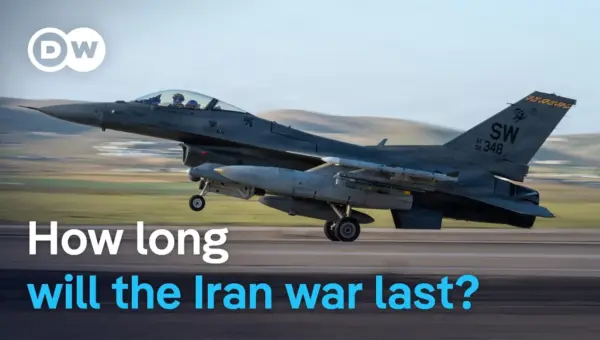
US Official Claims Iran War Could End Soon; Expert Skeptical
Despite US envoy Steve Woff's optimism about imminent talks and a swift end to the conflict with Iran, expert Aaron David Miller expresses significant doubt. Miller argues that a lack of shared urgency and fundamental miscalculations by the US administration make a quick resolution unlikely.
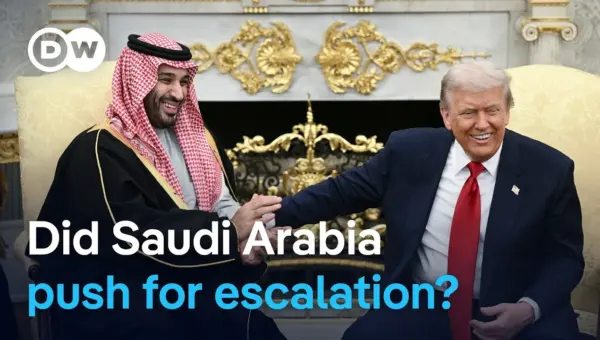
Saudi Arabia Pushes US for Iran War, Report Claims
Saudi Arabia's Crown Prince Mohammed bin Salman has reportedly urged the US to escalate military action against Iran, viewing it as an opportunity to reshape the Middle East. While Saudi officials deny the report, the push comes amid increased Iranian attacks on Saudi oil infrastructure. Experts suggest a complex dynamic where Saudi Arabia seeks US intervention while also managing the risks of regional instability.
Rubio Puts US First at G7 Summit, Sparks Debate
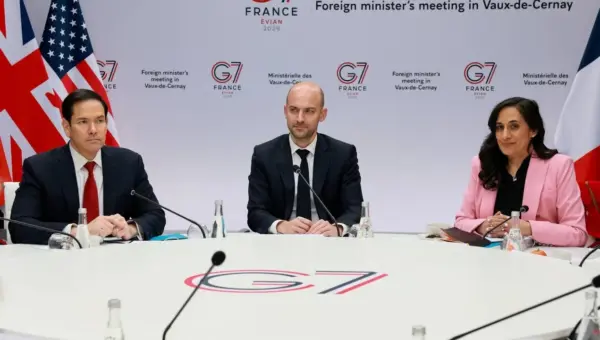
Secretary of State Marco Rubio attended the G7 summit in France, emphasizing his commitment to serving the American people above all else. The meeting addressed the war in Iran and Russia's role, revealing differing approaches among allies on regional security and the Strait of Hormuz.