Electric Cars 2026: The Future Arrives Now!
2026 is set to be a landmark year for electric vehicles, with manufacturers worldwide launching a diverse range of new models. From affordable city cars to high-performance supercars, key trends include increased Chinese market entry, Japan's renewed focus on EVs, and a battle for the £25,000 price point, promising more engaging and accessible electric motoring for all.

The Electric Revolution Accelerates: 2026 Promises a Flood of New EVs
Forget the slow crawl; 2026 is shaping up to be a seismic year for electric vehicles, with manufacturers worldwide unleashing a wave of new models that promise to redefine the automotive landscape. From pocket-friendly city cars to high-performance machines and luxurious SUVs, the diversity and innovation on display are set to silence any lingering doubters about the EV transition. This year isn’t just about more EVs; it’s about more interesting, more capable, and crucially, more accessible electric cars.
Key Trends Shaping the EV Market in 2026
Before diving into the specific metal, it’s worth noting the overarching trends that will define the EV market in 2026:
- Bet Hedging: With global EV momentum experiencing some fluctuations, many manufacturers are adopting a multi-energy strategy. This means continuing to offer petrol and hybrid options alongside EVs, and in some cases, delaying pure EV rollouts to align with market demand.
- Chinese Expansion: After a gradual entry, Chinese brands are poised to make a significant impact on Western markets in 2026, offering compelling and often competitively priced EVs.
- Japan Joins the Fray: Following a period of relative quiet, Japanese manufacturers are finally embracing electrification with a host of exciting new models set to arrive.
- The £25,000 Battleground: The focus shifts to more affordable segments, with a strong push towards EVs priced around £25,000, and even some entrants below £20,000, making EV ownership accessible to a wider audience.
- Design and Emotion Return: With the foundational hardware and software challenges largely addressed, manufacturers are refocusing on design, user experience, and emotional appeal, leading to more engaging and desirable electric cars.
European Innovations: From Hot Hatches to Luxury GTs
Europe is a hotbed of EV development in 2026, with established players and newcomers alike bringing exciting metal to market.
France: Alpine’s Sporty Ambitions and Renault’s Fun Factor
Alpine kicks off the year with the A390, a sporty coupe crossover, followed later by a dedicated electric A110 sports car. Built on a bespoke aluminium platform, it promises pure driving exhilaration. Stellantis continues its hot hatch tradition with the Peugeot E208 GTI, a spicy version of the compact electric hatchback. The E208 itself will also see an all-new generation based on a new small electric platform, inspired by the Polygon concept, potentially featuring the quirky hypersquare steering wheel. Citroen’s spacious EC5 is already hitting showrooms, while DS introduces the electric Number 7 SUV. However, the standout from France is arguably the new Renault Twingo, a sub-£20,000 electric car lauded as an early contender for electric car of the year, praised for its design, practicality, and affordability.
Germany: VW Group’s Overhaul and Smart’s Nostalgia
The Volkswagen Group is making significant strides. Cupra leads the charge with the Raval, built on the new MEB Plus platform, offering around 250-280 miles of range and a sporty VZ variant. Skoda follows with the Epiq, expected to be the most practical of the VW Group’s new small electric trio, packed with clever storage solutions. Volkswagen itself is set to launch the ID.2all (based on the ID.X concept) and the ID. Polo, marking a significant improvement in design and user experience with the return of physical buttons and tactile materials. Smart revisits its roots with the #2, a compact city car reminiscent of the original Smart Fortwo, alongside an electric version of its #6 saloon.
BMW and Mercedes: New Platforms, New Directions
BMW’s ‘Neue Klasse’ begins with the iX3, a car that early indications suggest could be a game-changer. A production version of the i3 saloon is also anticipated. Mercedes-Benz shifts to its ‘multi-energy’ platform strategy, doing away with standalone EQ models. The new CLA, available as both hybrid and electric, is already being hailed as potentially Mercedes’ best electric car yet. The GLC SUV and a smaller GLB will follow, with whispers of an electric C-Class towards the year’s end.
Audi and Porsche: Expanding the Electric Portfolio
Audi is set to introduce the E3, an entry-level electric hatchback using the MEB Plus platform, aiming to broaden its EV appeal. Porsche begins deliveries of its all-electric Macan, a performance SUV with impressive power and wireless charging capabilities.
Sweden: Volvo’s Refined Lineup and Polestar’s Design Prowess
Volvo continues its strong EV push with the S90 saloon and EX90 SUV, joined by the EX60, slotting between the EX30 and EX90. Polestar begins deliveries of the stunning Polestar 4, a ‘Super GT’ that has been a long time coming. Polestar has, however, deprioritised its flagship supercar, the Polestar 6, focusing instead on the Polestar 7 compact crossover and an all-new Polestar 2, with the 6 not expected until 2027.
British Luxury and Sports Car Ambitions
The UK’s premium and performance sectors are also seeing significant EV arrivals.
Jaguar and Land Rover: Electrifying Icons
Land Rover is finally set to launch the electric Range Rover, a vehicle perfectly suited to electric power, promising unparalleled luxury and off-road capability. Jaguar will unveil the first model of its new iteration, a four-door GT based on the Type 00 concept, aiming for a hyper-luxury, monolithic aesthetic.
Caterham: A Lightweight Sports Car Revolution
Caterham’s Project V lightweight sports car, featuring groundbreaking immersion battery cooling technology for rapid charging and sustained performance, is a highly anticipated arrival, though its 2026 launch is uncertain.
American EVs: Affordability and Capability
The US market sees a push for more accessible EVs and rugged off-roaders.
Chevrolet and Jeep: Accessible and Adventurous
The Chevrolet Bolt makes a comeback, targeting a 255-mile range and a $30,000 price point, addressing the need for affordable EVs in North America. Jeep launches the Recon, billed as the first fully off-road capable EV, boasting impressive approach angles and 670 horsepower.
Rivian and Ford: Trucks for the Future
Rivian may sneak its smaller R2 truck into late 2026, with hopes of European availability. Ford is developing a new EV platform, aiming for a $30,000 electric truck by 2027, with the ultra-utilitarian ‘Slate EV’ truck, backed by significant investment, potentially arriving in late 2026 to bring EVs to the masses.
Asian Innovations: Japan’s Catch-Up and China’s Surge
Asian manufacturers are significantly increasing their EV output in 2026.
Nissan’s Electric Renaissance
After a slow start, Nissan is launching an all-new Leaf, the Ariya facelift, a new electric Juke, and a small electric Micra based on Renault’s platform. A Pixo, essentially a Twingo-sized Nissan city car, is also expected.
Toyota and Lexus: Iconic Nameplates Go Electric
Toyota updates the bZ4X and introduces the Urban Cruiser SUV. More significantly, iconic nameplates like the RAV4, Land Cruiser, and Hilux are expected to go electric. Lexus will offer an electric ES saloon with a claimed 426-mile range from a 77 kWh battery, aiming to compete with the BMW i5.
Subaru and Mazda: Embracing the Electric Future
Subaru updates the Solterra and introduces the front-wheel-drive Uncharted. More excitingly, an all-electric E-Outback is set to arrive, offering rugged, all-wheel-drive capability. Mazda, while still somewhat hesitant, is expected to launch the EZ60 mid-size SUV, supplementing its single EV offering, the EZ6 saloon. Talk of an electric MX-5 persists, though not expected this year.
Honda: A Bold New Era
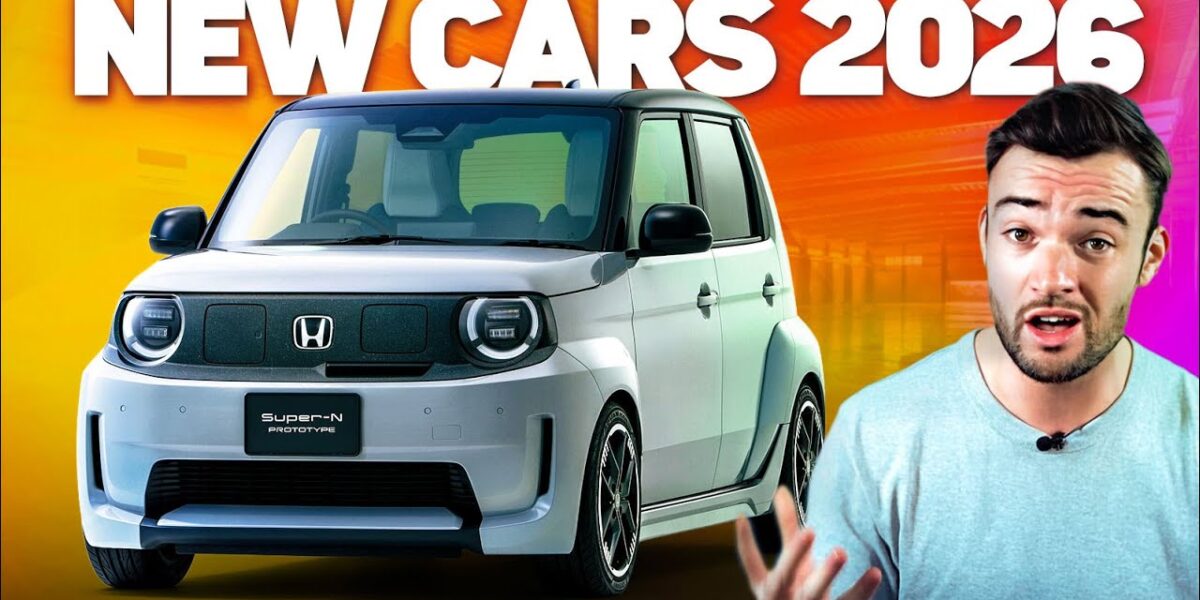
Honda is going big with the affordable, compact, and stylish N-Van e:, priced around £20,000. The ‘Zero Series’ marks a complete reset for Honda, starting with an SUV resembling the concept shown, followed by a saloon based on a stretched Lamborghini-esque concept, signalling a significant shift in design and platform strategy.
China’s Expanding Footprint
Chinese brands are flooding the market. BYD’s Amoda E5 is becoming more common. Nio’s sub-brand Firefly will bring a C-segment hatchback to the UK. Leapmotor will launch the B05 hatchback and the B10 crossover, potentially the cheapest new electric SUV in the UK. MG will release a hard-top version of the Cybuster sports car (Cyster GTS) and unveil the MG2, an affordable supermini that could replicate the MG4’s impact, though it’s not expected to launch until 2027. Nio sub-brand Enovate will bring the L60 crossover, designed by a former Bentley designer. Skywell aims to rebound with the Q C-segment hatchback, promising 300 miles of range.
Korea’s Performance and Affordability Push
Korean manufacturers continue their strong EV presence.
Kia and Hyundai: Hot Hatches and Affordable Options
Kia is launching the EV2, expected around £25,000, and hot ‘GT’ versions of the EV3, EV4, and EV5. Hyundai aims to fill the gap in the small, affordable EV segment with the upcoming Ioniq 2, priced around £20,000, potentially offering a hot hatch N version. Deliveries of the extreme Ioniq 6 N are also commencing. Genesis will launch its ‘Magma’ performance sub-brand, with the GV60 Magma showcasing enhanced performance and styling.
Ferrari Electrica: The Ultimate Electric Supercar?
Saving the most anticipated for last, Ferrari’s first all-electric car, the Electrica, is set to debut. Details are scarce, but hints of amplified engine noise, synthetic gear shifts, complex active suspension, and a power-dense battery suggest a staggering feat of engineering that aims to redefine the electric supercar segment.
Who Wins in 2026?
2026 is a year of unprecedented choice. For the budget-conscious, the Renault Twingo and the upcoming Hyundai Ioniq 2 and VW Group superminis are game-changers. For performance enthusiasts, the Ferrari Electrica, Alpine A110 EV, and Kia/Hyundai N models represent the cutting edge. Luxury buyers have the electric Range Rover and new Mercedes and Audi offerings. The year also marks a significant maturing of the EV market, with more refined designs, improved user interfaces, and a clear trend towards making electric mobility accessible to everyone.
Source: The Best New Electric Cars Arriving In 2026! (YouTube)

Related Articles


Quirky Rides: Top 10 Unique Cars Under $25,000
Discover the most unique and characterful vehicles you can buy for under $25,000. From three-wheeled marvels to retro icons, these quirky cars offer individuality and fun without breaking the bank.

EV Regen on Ice: Is It Dangerous? We Tested!
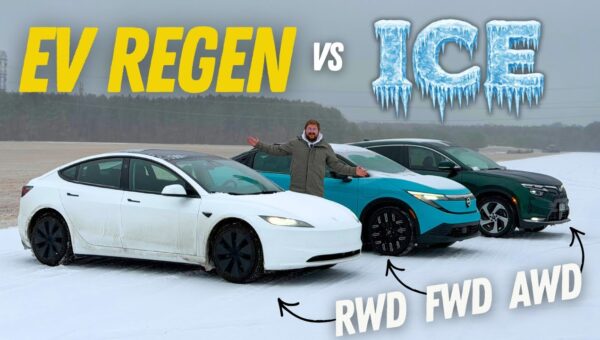
We put RWD, FWD, and AWD EVs to the test on a frozen track to determine if regenerative braking is dangerous on ice. The results show modern EVs handle it with surprising capability, making manual adjustments often unnecessary.


Quirk Over Quality: 10 Unusual Cars Under $25K
Discovering the most unusual and character-filled vehicles doesn't require a bottomless wallet. This list explores ten quirky cars, from three-wheeled wonders to vintage military machines, all available for under $25,000, proving that unique style can be remarkably affordable.