Election Deniers’ Ballot Grabs Met Judicial Pushback
The California Supreme Court has halted a controversial effort to seize 650,000 ballots, citing concerns over election integrity. This decision comes amid growing worries about tactics used by election deniers to challenge results, drawing parallels to similar situations in other states.

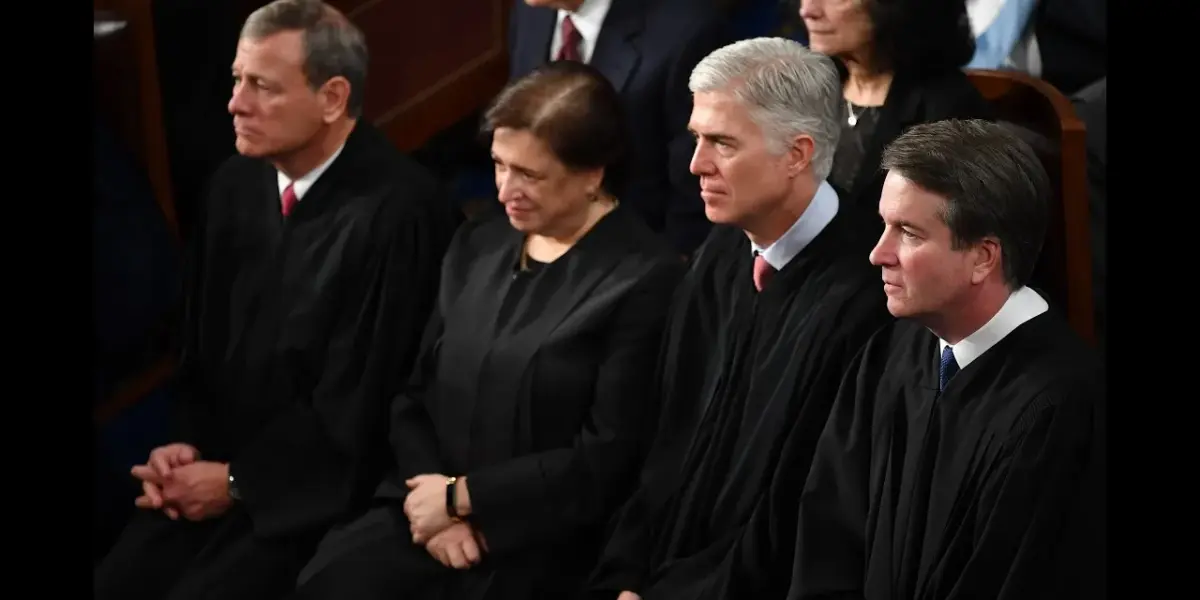
California Supreme Court Halts Ballot Seizure Amid Election Integrity Concerns
A recent move by a California Republican candidate to seize 650,000 ballots has been stopped by the state’s Supreme Court. This decision marks a significant moment in the ongoing debate about election integrity and the tactics used by those who question election results.
The court issued a clear order, telling the sheriff involved that they cannot proceed with counting or examining these ballots. This action is being hailed as a victory for California’s Attorney General and for the principles of upholding the rule of law.
Affidavits Reveal Election Conspiracy Theories
Adding to the drama, lawsuits have been filed to unseal the affidavits that supported the ballot seizure. These documents have now been released, and they appear to be based on what are described as election conspiracy theories and misinformation. This situation is drawing comparisons to events in Fulton County, Georgia, and other parts of the country where similar claims have surfaced.
The concern is that even if courts eventually step in, as they did in California, the propaganda value for groups promoting election denialism can be significant. This raises questions about how easily such theories can gain traction and influence public opinion.
Judges and the Pressure of Election Denialism
A key question is how these affidavits, described as lacking substance, were able to justify the seizure of so many ballots in the first place. Experts suggest a few possibilities. Some judges might be genuinely misled by the claims presented. Others may be influenced by their own political beliefs, especially if they already doubt the fairness of elections.
There’s also the concern that some judges, particularly at the state and local levels, might be accustomed to quickly approving warrants and subpoenas. They may not scrutinize such requests as closely as they should, especially when presented by law enforcement or government officials they see regularly.
“We’ve got some judges who just, you know, they’re they’re in on the they’re in on it and they they they believe that, you know, the election 2020 was stolen and they think Democrats are engaged in widespread fraud.”
Another worrying factor is the potential for fear. Judges might worry about the backlash they could face from election deniers or political figures if they deny requests. This fear could extend to threats of investigations, public attacks, or even personal safety concerns, as seen with instances of election officials and witnesses being harassed or doxxed.
A Recurring Pattern of Election Challenges
This incident in California is not an isolated event. Similar attempts to scrutinize or seize ballots have been seen in places like Fulton County, Georgia, and Maricopa County, Arizona. This pattern suggests a coordinated effort by some groups to find ways to challenge election results outside of traditional legal channels.
The strategy appears to involve using legal processes, like requesting affidavits and warrants, to gain access to ballots. The goal seems to be to create doubt about election outcomes, even if the initial claims are not well-founded. This tactic aims to break the chain of custody for ballots, allowing for alternative counts and claims of discrepancies.
The Risk of Ballot Manipulation
When ballots are seized, even temporarily, the chain of custody is broken. This means that the integrity of those ballots can be questioned, regardless of whether any actual tampering occurs. Election deniers can then use this broken chain of custody as a basis to claim that the official election results are unreliable.
Furthermore, during the time these ballots are in the possession of unauthorized individuals or groups, they could conduct their own counts. These unofficial tallies can then be presented to the public as evidence of fraud or error, even if they are inaccurate or misleading. This creates confusion and undermines public trust in the electoral process.
Why This Matters
The events in California and elsewhere highlight a critical challenge to democratic processes. The use of legal maneuvers to cast doubt on election results, especially when based on questionable evidence, can erode public confidence. It creates a situation where the process itself becomes a target, regardless of the outcome.
This trend poses a significant risk, as it can be used to delegitimize election winners and sow discord. It requires constant vigilance from citizens, election officials, and the judiciary to ensure that election laws are followed and that unfounded claims do not gain undue influence.
Implications and Future Outlook
The consistent appearance of these tactics suggests that election deniers are likely to continue exploring new ways to challenge results. This could involve further attempts to seize ballots, scrutinize voter rolls, or use legal challenges to delay certification.
The judiciary faces a difficult task in navigating these challenges. Judges must balance the need to allow legitimate inquiries with the imperative to protect the integrity of elections from harassment and baseless claims. The pressure on judges to conform or to avoid controversy is a serious concern that could impact future rulings.
Historical Context
Concerns about election integrity are not new. However, the current wave of challenges is characterized by a direct assault on the legitimacy of election outcomes, often fueled by widespread misinformation. This differs from past disputes, which typically focused on specific procedural issues or recounts within established legal frameworks.
The rise of social media has played a significant role in amplifying these claims and organizing efforts to challenge results. This has created a new dynamic where misinformation can spread rapidly and influence a large number of people, impacting both public opinion and the actions of political figures.
Conclusion
While the California Supreme Court’s decision was a win for election integrity, the underlying issues remain. The ongoing efforts to question election results through questionable means demand continued attention and a commitment to upholding democratic norms. The fight to protect elections is ongoing, and awareness is the first line of defense.
Source: Top Republican gets BAD NEWS from state Supreme Court (YouTube)

Related Articles


Sheriff’s Ballot Seizure Halted by Court Order
The California Supreme Court has halted Sheriff Chad Bianco's probe into 650,000 ballots, raising concerns about political motives. The sheriff, running for governor, based his investigation on questionable data from a private group, despite election officials disputing the findings.

Trump Faces Political Peril as Polls Sink, Experts Warn
President Trump faces mounting political pressure as his approval ratings plummet. Experts warn he may react aggressively to his declining standing, potentially undermining election integrity. Concerns are high about his actions in the final years of his presidency.

Wisconsin Court Race Offers Big Clues for Midterms
Wisconsin voters are casting ballots in a crucial Supreme Court election with national implications. The race, though technically non-partisan, is heavily influenced by political parties and touches on major issues like abortion and election integrity. The outcome is seen as a key indicator for the upcoming midterm elections.