El Mencho’s Death: Why Trump’s Cartel Crackdown May Fail to Disrupt Mexico’s Drug Trade
The death of CJNG leader El Mencho has sparked violence in Mexico, but experts believe it will not significantly impact the flow of drugs into the US. The cartel's resilience and the persistent demand for illicit substances suggest the drug trade will continue unabated.

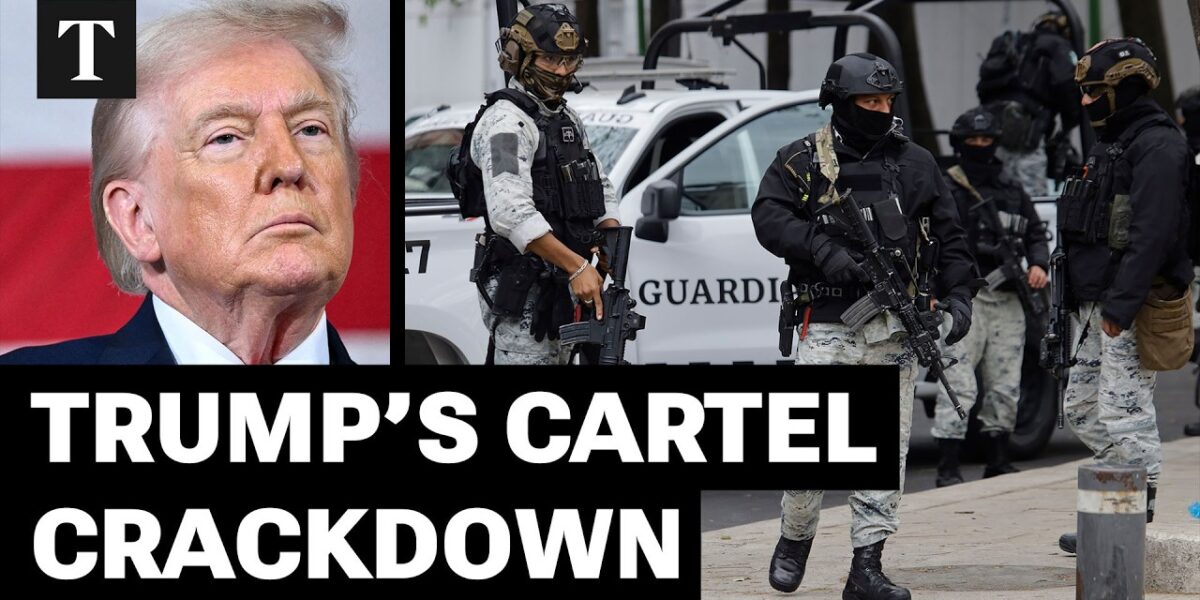
Cartel Kingpin’s Demise Sparks Violence, But Experts Doubt Impact on US Drug Flow
The recent killing of Nemesio Oseguera Cervantes, widely known as El Mencho, the elusive leader of Mexico’s most powerful drug cartel, the Jalisco New Generation Cartel (CJNG), has sent shockwaves through the country, igniting a wave of violence and heightened scrutiny on the long-standing war against drug trafficking. While the Mexican government, under pressure from the United States, celebrated the capture and subsequent death of one of the world’s most wanted criminals, experts are largely in agreement that this high-profile success is unlikely to significantly dent the flow of illicit drugs into the United States.
The CJNG: A Formidable Force in the Global Drug Trade
El Mencho, who had a $15 million bounty on his head, was not just a notorious figurehead; he was the architect of an incredibly powerful and well-resourced criminal enterprise. The CJNG is recognized as the largest and most influential cartel in Mexico, overseeing an estimated annual illicit trade valued at around $20 billion USD. This vast operation extends beyond drugs, encompassing illegal mining and other criminal activities. The cartel’s formidable strength is further amplified by its access to a large, well-armed membership, often drawing from former military personnel, making them a potent threat to government authority.
“He’s incredibly powerful. He’s a very well-respected and revered within his organization,” stated Elijah Glantz, a research fellow for the organized crime and policing team at Rusei and an expert on Mexican drug cartels, in a recent interview. “And the organization, the CJNG, is the largest in Mexico. It is the most well-resourced.”
A Complex Legacy and the Specter of Civilian Harm
The perception of figures like El Mencho within Mexico is often complex and deeply divided. While law enforcement agencies and the US government view him as a primary architect of violence and drug trafficking, some segments of the population, particularly among the underclasses, may have viewed him as a symbol of defiance or even a champion. This phenomenon is not unique to Mexico; the legacy of figures like Pablo Escobar in Colombia serves as a stark reminder of how such leaders can evoke both adoration and condemnation.
However, Glantz cautioned against romanticizing the impact of El Mencho’s removal on ordinary citizens. “It’s hard to say whether he’ll be missed. I think if anybody looks back to what happened with Pablo Escobar in Mexico, it’s always a bit of a mixed legacy where some will love him and some will hate him,” he explained. “But what we do know for sure is that the violence that will ensue will be felt most of all by civilians and the government.”
Historically, the power vacuums created by the decapitation of cartel leadership often lead to brutal internal power struggles and external conflicts. This violence, Glantz noted, is rarely confined to law enforcement or rival cartels. “Civilians are often the first one to pay for the vengeance and the strategic violence used by the gangs,” he added, drawing parallels to similar situations in Brazil, Colombia, and Ecuador.
Strategic Violence and the Breakdown of Informal Truces
The violence that has erupted following El Mencho’s death is not merely random chaos or simple revenge, according to Glantz. He described it as a “strategic” form of violence with a clear objective: to re-establish control and create a new equilibrium in the absence of a central leader. This pattern is observed throughout Latin America, where violence can serve as a tool to establish informal truces or ‘data’ – a period of relative calm enforced by the cartels themselves when government enforcement is perceived as a significant threat.
“When that data breaks down and there is a decapitation or a leader of the of a cartel leader like happened to El Mencho recently, that’s when conflict begins as the peace deal or the informal peace deal breaks down,” Glantz elaborated. The ensuing violence is designed to signal the cartel’s continued power and its ability to disrupt societal order, thereby influencing future negotiations or its ability to operate with impunity.
Unlikely to Dent the US Drug Market
Despite the significance of El Mencho’s demise and the ensuing instability, the consensus among experts is that the impact on the supply of drugs to the United States will be minimal and short-lived. The CJNG, and the broader Mexican cartel infrastructure, are exceptionally adaptive and resilient.
“They are probably the largest group and they are the most influential in terms of controlling the trade and the pass of drugs into the United States,” Glantz stated. “That said, will this make a dent in the amount of drugs headed into the United States? Overwhelmingly, experts agree no.”
He predicted that any disruption would likely be temporary, perhaps lasting only a week, before the highly organized drug trade resumes its normal course. “Especially cocaine trade, methamphetamine and the fentanyl trade are incredibly adaptive and we have no reason to believe that it business will not continue as normal in the absence of El Mencho,” Glantz concluded.
The reasons for this resilience are multifaceted. The drug trade is a multi-billion dollar industry with deep roots and intricate supply chains. The elimination of one leader, even a prominent one, does not dismantle the entire network. The demand for illicit substances in the United States remains a primary driver, ensuring a continuous market for the cartels. Furthermore, the CJNG’s vast resources and established distribution channels allow for rapid succession planning and operational continuity.
The Geopolitical Tightrope: US Pressure vs. Mexican Stability
The pressure from the Trump administration, and likely continuing under subsequent administrations, to crack down on Mexican cartels adds a significant geopolitical dimension to the situation. Mexico’s President, Claudia Sheinbaum, finds herself in a precarious position, balancing domestic stability with the demands of its powerful northern neighbor.
“Claudia Sheinbaum, the president of Mexico, is under incredible pressure from the United States,” Glantz observed. “So whereas other countries perhaps in Mexico in the past may have been able to reach a form of a peace treaty or a truce of sorts, it is very unlikely that the US will allow the Mexican government to relent in their pursuit of these kingpins and of these significant drug trafficking organizations.”
This intense US pressure can, paradoxically, complicate Mexico’s efforts to manage the internal fallout from cartel leadership changes. The Mexican government’s capacity to control the anticipated violence, such as blockades and disruptions aimed at preventing free transport, may be strained. While they may have the capacity to defend major cities, the overarching strategy of the cartels often involves creating a climate of fear and instability that extends beyond urban centers.
The risk of relations between the US and Mexico deteriorating further if Mexico is perceived as not doing enough to combat the cartels adds another layer of complexity. This dynamic creates a cycle where increased US pressure can lead to more aggressive cartel actions, which in turn fuels further US demands, making a sustainable, long-term solution even more elusive.
Looking Ahead: A Persistent Challenge
The death of El Mencho is undoubtedly a significant event in the ongoing struggle against organized crime in Mexico. It highlights the Mexican government’s capacity, bolstered by US intelligence, to target and neutralize high-value cartel leaders. However, it also underscores the deep-seated nature of the problem and the limitations of a strategy focused primarily on leadership decapitation.
The resilience of organizations like the CJNG, their adaptability, and the persistent demand for illicit drugs in the United States suggest that the drug trade will continue to be a formidable challenge. The ensuing violence, while strategically employed by the cartels, will disproportionately affect Mexican civilians and further test the stability of the nation. Without addressing the underlying economic and social factors that contribute to the power of these cartels, and without a more comprehensive approach that goes beyond targeting individual leaders, the “crackdown” on Mexico’s cartels is unlikely to achieve its ultimate goal of significantly reducing the flow of drugs and the associated violence.
Source: Donald Trump’s Crackdown On Mexico Cartels Unlikely To ‘Make A Dent’ On Drug Trade | Elijah Glantz (YouTube)

Related Articles


Epstein Files Reveal New Sex Trafficking Probe Details
New details from the unsealed Epstein files reveal an FBI informant's claims of an American shooting a judge in a Mexican sex trafficking case and suspicions of leaks. Senator Ron Wyden is now urging the DEA to investigate potential drug trafficking links connected to Epstein.

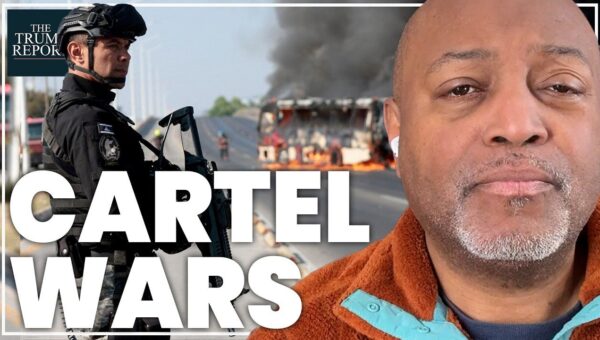
Mexico Cartel Violence Erupts After US-Aided Leader’s Death
A targeted operation against a top cartel leader, supported by US intelligence, has triggered a violent surge in Mexico. The killing of the CJNG leader has led to subordinate factions unleashing chaos, raising questions about US drug policy and the complex geopolitical landscape.

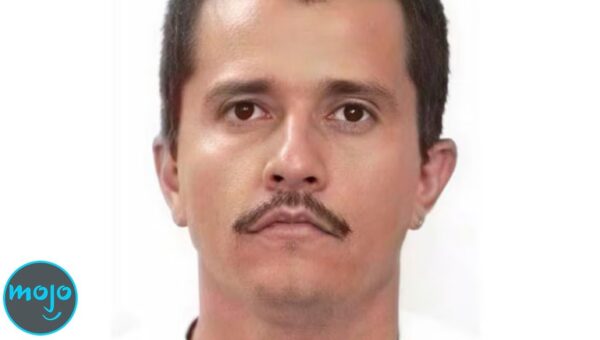
Mexico’s Cartel Chaos: El Mencho Raid Sparks Crisis
A decisive military raid on cartel leader El Mencho has plunged Mexico into chaos, triggering widespread retaliation and nationwide roadblocks. As President Claudia Sheinbaum grapples with restoring order amidst escalating cartel conflicts and the upcoming 2026 FIFA World Cup, the nation's future hangs in the balance.