Education Guru’s Shocking Death Fuels China’s Deepest Anxieties
The sudden death of Chinese education influencer Zhang Xuefeng has ignited widespread speculation and highlighted deep-seated anxieties about education, careers, and societal pressures in China. His rise and controversial life offer a stark look at the country's competitive landscape.

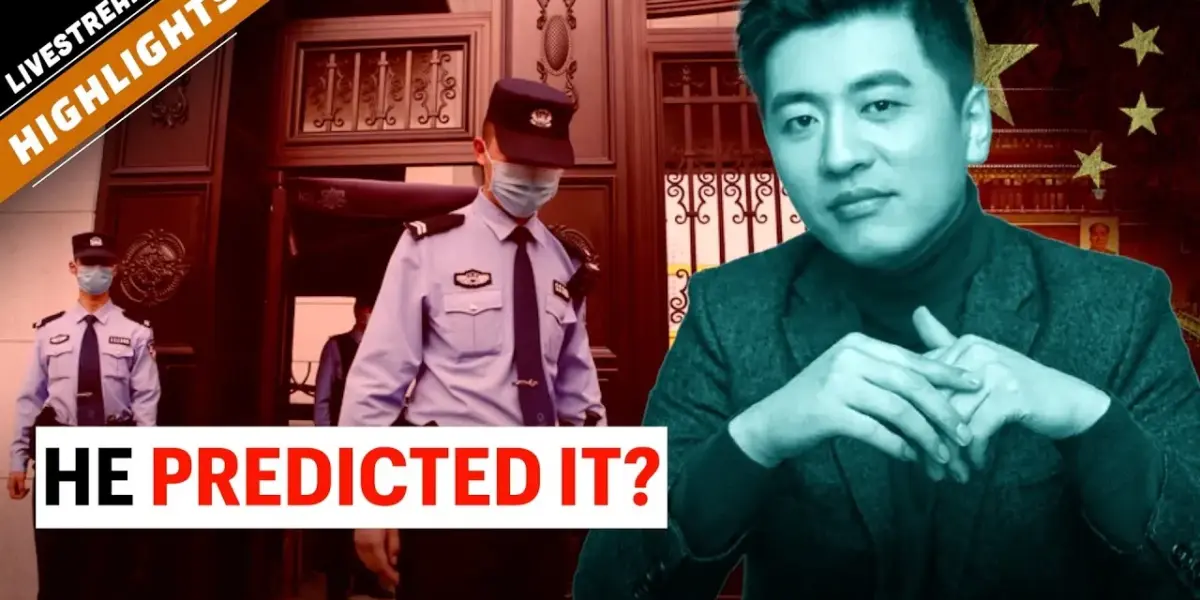
Education Guru’s Shocking Death Fuels China’s Deepest Anxieties
Zhang Xuefeng, a prominent figure in China’s education scene, died suddenly at age 41. He was a wealthy businessman with millions of followers who offered advice on college choices. His death, however, has sparked more questions than answers, especially after a chilling prediction he once made.
A Wish Comes True in the Worst Way
While running on a treadmill in his company’s office on March 24th, Zhang collapsed. He suffered cardiac arrest and, despite hours of emergency treatment, was pronounced dead. This happened at the height of his career and life. What makes his death particularly unsettling is something he said during a past live stream. Zhang openly wished that the phrase “Zhang is dead” would trend online, and he hoped it would happen sooner rather than later. His wish came true in a tragic way. On the very day he died, his name surged to the top of trending searches across China.
Speculation Runs Wild
His sudden death and the trending searches immediately led to widespread speculation. Some people suggested post-vaccine complications, as he reportedly received several COVID-19 vaccine shots. Others pointed to emotional stress, rumors of marital problems, and extreme overwork. There were even whispers that authorities might have played a role in his death. However, none of these claims have been confirmed. To understand why his death caused such a stir, we need to look at who Zhang was and why he became so influential.
From Rural Roots to Educational Phenomenon
Zhang came from a poor rural family. He studied water supply and drainage engineering at university. His rise to fame began with a viral video explaining 34 elite universities in just seven minutes. This catapulted him into the spotlight. He then built a massive following, advising millions of Chinese parents on how to navigate their children’s education. He wasn’t a typical teacher; he was a realist strategist.
Brutal Honesty in a Tough System
Zhang laid out a brutally honest survival map for students. He identified which college majors were traps and which schools led to unemployment. He also advised on choices that offered the safest path to a good income. This approach resonated because it tapped into a major problem in China. The education system often fails to prepare young people for real careers. At the same time, the economy struggles to create enough jobs, especially for graduates. Every year, over 10 million students finish college, and youth unemployment remains high. The competition is fierce. Even graduates from top universities face challenges, sometimes ending up in jobs like food delivery or factory work.
Controversial Advice for Women and Certain Majors
Zhang openly stated that majors like journalism, media, and liberal arts often lead to unemployment. He called them “service industry” jobs. His message to women was even harsher. He said reality could be very tough, forcing them to either compromise for opportunities or give up entirely. He famously said that choosing journalism would lead to regret. He even joked he would knock students unconscious if they insisted on studying it. He described liberal arts with a derogatory term. He labeled other fields like bio-engineering and environmental materials as “death traps.”
Striking a Chord with Ordinary People
These statements were crude and even offensive to some. Yet, millions of ordinary parents felt he was telling the truth. He wasn’t talking about ideals; he was talking about survival in China. This was his real impact. He captured a core fear in Chinese society: education is no longer about passion but about survival. For the first time, many felt someone was speaking the truth aloud. This explains his huge live stream audiences and the rapid sell-out of his expensive advice packages. It’s how he made hundreds of millions.
A Mirror to Society’s Anxieties
In a way, Zhang became a mirror reflecting society’s deepest worries. These included unemployment, intense competition, and rigid class structures. When competition becomes so suffocating, anxiety itself can become a business. This led to another nickname for him: “parental anxiety consultant.” He built his fortune by addressing these widespread fears.
Crossing Lines and Political Risks
Despite his popularity, Zhang was also widely disliked. Many felt he crossed a line with his bluntness. Some believed his exposure of China’s societal problems was offensive, especially to those in power. Zhang himself might have understood the risks. He was revealing the darker side of China’s education and economic system, which can have consequences. His public profile grew even larger after a statement he made on September 3rd of the previous year. On that day, during a major military parade hosted by President Xi Jinping, Zhang made a fiery declaration. He gathered his employees to watch the parade and stated that China’s weapons were for “national reunification.” He pledged to donate at least 50 million yuan if reunification began with gunfire, and a total of 100 million yuan. This speech quickly spread online but also triggered backlash.
Backlash and Official Disapproval
Taiwanese audiences found his words deeply offensive. Inside the government, his remarks were reportedly seen as unhelpful. Timing is crucial in politics, and Zhang had spoken at a sensitive moment when the government was trying to maintain a low profile due to rising global tensions and internal issues. The consequences were swift. Just 20 days later, his social media accounts were suspended by authorities. Although later restored, the message was clear. Even state media criticized him for promoting war and seeking attention. Zhang had tried to align himself with the system, but he had crossed another line.
Death Amidst Lingering Questions
Zhang once said he would live to see Taiwan return to China, but he didn’t. Then came his death, and the questions that followed. His passing quickly became a major topic online in China. Unusual details surrounding the official announcement of his death raised doubts. The announcement came from his company, not his family, and was unusually fast by Chinese standards. He died in the late afternoon, and the announcement was made the same day. The cause of death, sudden cardiac arrest, was given without clear medical authority. State media also rapidly amplified the news without delay. Individually, these details might seem minor, but together they fueled suspicion.
A Casualty of the System?
Some online commentators questioned whether his death was truly accidental. They wondered if something more deliberate was involved, possibly linked to the sensitive issues he discussed or his political statements. It’s important to state that there is no confirmed evidence to support these theories. However, the very existence of such suspicion reveals something significant. Zhang was not just a product of the system; he may have become one of its casualties. He made a fortune by exposing major problems in China’s education and economy. Then, he publicly pledged loyalty to the regime. Either way, he was walking a dangerous path and ultimately lost. His death, whether accidental or not, has only intensified the unease surrounding the difficult realities he so clearly described.
Why This Matters
Zhang Xuefeng’s story highlights the immense pressure and anxiety within Chinese society, particularly concerning education and career prospects. His ability to connect with millions by voicing these fears shows a deep societal unease. His controversial statements and subsequent official scrutiny reveal the tightrope individuals must walk when discussing sensitive social or political issues in China. The speculation surrounding his death underscores a public distrust and a desire for answers when official narratives seem incomplete. This situation reflects broader trends of intense competition, limited opportunities for youth, and the potential risks of speaking out, even indirectly, about systemic issues.
Implications and Future Outlook
Zhang’s influence was built on his understanding of the anxieties driving Chinese parents and students. His death, regardless of the cause, leaves a void in this space. It may also serve as a cautionary tale for others who gain influence by discussing societal problems. The intense public reaction and speculation suggest that the underlying issues Zhang addressed—unemployment, competition, and the perceived failures of the education system—remain critical concerns. The future may see continued public discussion of these issues, perhaps with greater caution. The government’s response to Zhang’s popularity and his later statements also indicates a sensitivity to public figures who can mobilize large audiences around potentially destabilizing topics.
Historical Context
China’s education system has long been a source of intense competition, epitomized by the gaokao, the national college entrance examination. For decades, a university degree was seen as a guaranteed path to a better life. However, in recent years, rapid economic changes and a flood of graduates have led to a mismatch between skills learned and job market needs. This has created a generation of educated but underemployed young people, fueling the anxieties Zhang Xuefeng tapped into. His approach, while blunt, offered a pragmatic, albeit cynical, view of navigating this challenging landscape. His later political statements also reflect a complex relationship between nationalistic sentiment, geopolitical tensions, and individual expression within China.
Source: The Rise—and Mysterious Death—of Zhang Xuefeng (YouTube)

Related Articles


Jimmy O. Yang Calls US Math Skills a ‘Joke’
Comedian Jimmy O. Yang shared his thoughts on American math education, calling it a "joke" compared to his experience in Hong Kong. He recounted being placed in advanced classes in Asia at a young age, only to find 8th-grade algebra in the U.S. surprisingly easy.


UK Defends Independent Foreign Policy Amidst US Pressure
The UK government has signaled its intention to maintain an independent foreign policy, stating it will not automatically support every US intervention. This comes as a major £1 billion youth jobs initiative is launched to combat rising unemployment among young people.

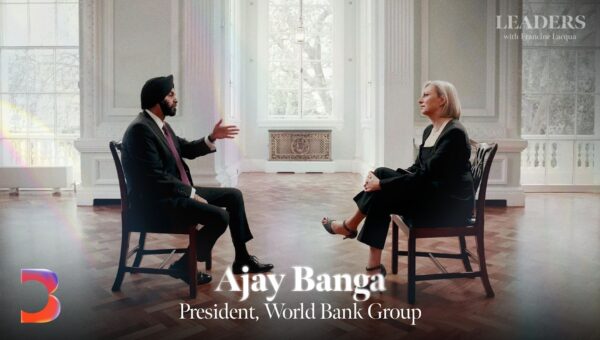
World Bank Chief Warns of Youth Jobs ‘Time Bomb’
World Bank President Ajay Banga warns of a looming 'youth jobs time bomb' as 1.2 billion young people enter the job market with only 400 million jobs expected. He highlights the need for hope, aspiration, and private capital mobilization in emerging markets to prevent mass migration and instability.