Ed Davey Calls for Parliament to Debate Royal Family
Liberal Democrat leader Ed Davey has called for an end to the historical ban on MPs openly discussing and criticizing the Royal Family in Parliament. Speaking on Times Radio, Davey argued that allowing such debates is a necessary first step in modernizing the monarchy's relationship with the legislature.

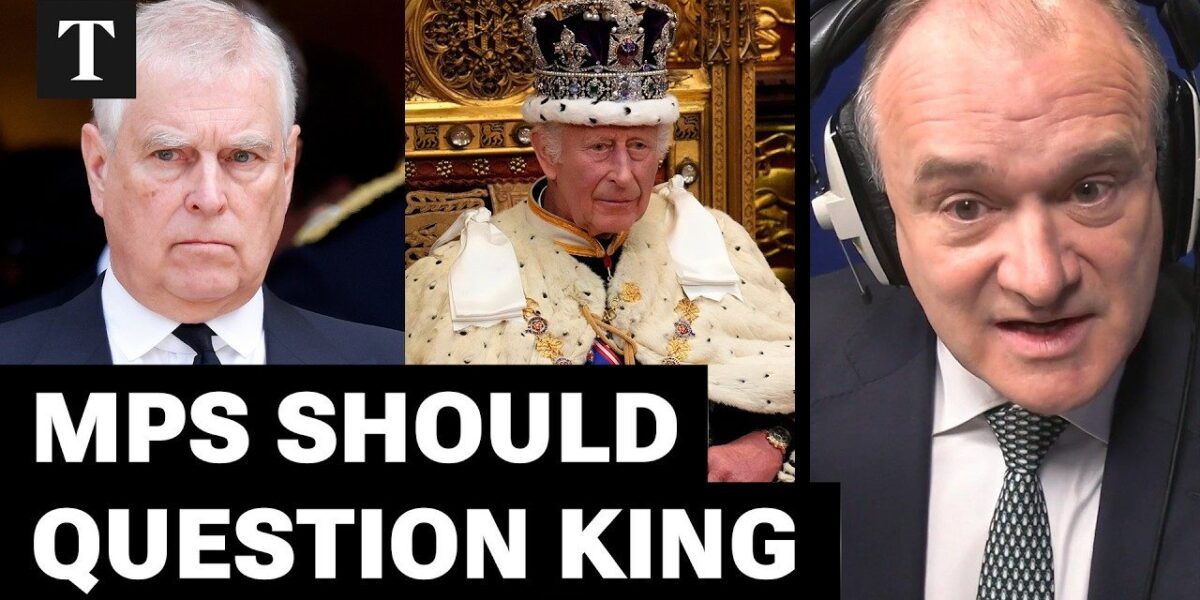
Liberal Democrat Leader Ed Davey Advocates for Parliamentary Scrutiny of Monarchy
Liberal Democrat leader Ed Davey has ignited a significant debate by calling for Members of Parliament (MPs) to be granted the freedom to openly discuss and even criticize members of the Royal Family. Speaking on Times Radio Breakfast with hosts Kate McCann and Stig Abell, Davey argued that a centuries-old tradition of preventing such discussions in Parliament should be the first change to occur in modernizing the relationship between the monarchy and the legislature.
Challenging Historical Precedent
Historically, the Speaker of the House of Commons has maintained a convention that prevents MPs from debating or questioning the personal lives and actions of the monarch and senior royals. This convention, often referred to as the “sub judice” rule or simply an established parliamentary practice, has effectively created a shield around the Royal Family, insulating them from the direct scrutiny that elected officials are subjected to. Davey’s proposal directly challenges this long-standing precedent, suggesting a fundamental shift in parliamentary procedure and the perceived role of the monarchy in a contemporary democracy.
“Over the centuries, speakers have prevented MPs from discussing and even criticising members of the royal family. I think that is the first change we should see.”
– Ed Davey, Leader of the Liberal Democrats
Davey’s assertion that this is the “first change we should see” implies a broader agenda for constitutional reform, positioning the liberalization of parliamentary debate on the monarchy as a foundational step. The call comes at a time when discussions about the role and relevance of the monarchy in the 21st century are becoming increasingly prominent, both within political circles and among the wider public.
The Principle of Accountability
The core of Davey’s argument appears to rest on the principle of accountability. In a democratic society, elected representatives are subject to intense public and parliamentary scrutiny. Their decisions, conduct, and even personal lives can become matters of public record and debate. Davey’s stance suggests that members of the Royal Family, despite their unique constitutional position, should not be entirely exempt from a similar, albeit potentially adapted, form of accountability through their elected representatives.
Granting MPs the power to discuss the Royal Family openly could open the door to a range of potential topics. This might include the cost of the monarchy to the taxpayer, the monarch’s role in constitutional matters, the conduct of individual royals, and their public engagements. Currently, such discussions are often limited to carefully worded questions or debates on broader constitutional issues, rather than direct engagement with the specifics of royal affairs.
Broader Implications for the Monarchy
The implications of allowing such debates are far-reaching. On one hand, it could lead to a more transparent and accountable monarchy, potentially strengthening its position in the long term by demonstrating its willingness to engage with democratic processes. It might also allow for a more nuanced public understanding of the institution, moving beyond idealized portrayals to a more realistic assessment of its functions and costs.
Conversely, increased parliamentary scrutiny could also expose the monarchy to greater criticism and potentially destabilize its position. The monarchy has often relied on a degree of mystique and a separation from the day-to-day political fray to maintain public support. Open debate could erode this separation, making the institution more vulnerable to political winds and public opinion shifts.
A Shifting Public and Political Landscape
Ed Davey’s call reflects a potentially growing sentiment that the traditional deference to the monarchy may be waning. While the institution remains popular with a significant portion of the population, there are increasing voices, particularly among younger generations and those on the political left, questioning its relevance, cost, and hereditary basis in a modern democracy. The Liberal Democrats, as a party often positioned as advocating for constitutional reform and progressive values, may see this as a natural area to push for change.
The specific timing of Davey’s remarks, delivered on a prominent national radio program, ensures maximum visibility for his proposal. It serves to place the issue firmly on the political agenda, inviting responses from other political leaders, commentators, and the public. The reaction to his call will likely indicate the extent to which this idea resonates within Parliament and across the country.
What to Watch Next
The coming weeks and months will reveal whether Ed Davey’s call for open parliamentary debate on the Royal Family gains traction. Attention will turn to how other political parties respond, whether any concrete proposals for changing parliamentary procedure are put forward, and whether the issue becomes a significant point of discussion in future elections or constitutional reviews. The Speaker of the House of Commons may also be pressed to clarify or reaffirm existing conventions. Ultimately, the debate initiated by Davey could mark a subtle but significant step in the ongoing evolution of the British monarchy’s relationship with its Parliament and its people.
Source: Ed Davey: Let MPs Openly Discuss The Royal Family (YouTube)

Related Articles


Royal Arrests Spark Debate: Andrew & Mandelson Investigations
Prince Andrew and Peter Mandelson face ongoing investigations for alleged misconduct. The Times journalists Luke Jones and Man Vin Rana discuss the legal proceedings, Prince Andrew's controversial past as a trade envoy, and the broader implications for the monarchy amidst a period of intense scrutiny.


Americans Fear Nation Is Failing Due to Broken Checks and Balances
A new poll reveals a majority of Americans believe the U.S. is a "failed state" due to a broken system of checks and balances. The findings suggest Donald Trump exposed pre-existing vulnerabilities rather than creating new ones. This has sparked calls for significant constitutional reform to prevent future leaders from exploiting these weaknesses.

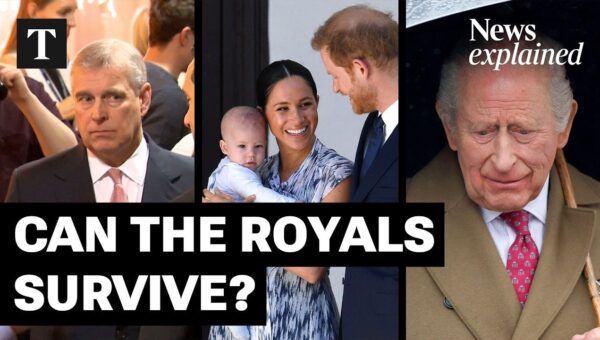
Royal Family Faces Crisis Amid New Allegations and Scandals
Prince Andrew has been arrested on suspicion of misconduct in public office related to confidential information shared with Jeffrey Epstein. This latest scandal adds to a series of controversies, including Prince Harry and Meghan Markle's departure and allegations of racism, testing the monarchy's resilience despite continued public support.