Economy Reels as Foreign Conflict Sparks Financial Fears
Millions of Americans are feeling the economic strain from foreign conflicts and rising living costs. Fluctuating financial markets reflect global anxieties, but the real impact is felt at home, with concerns over affording necessities like gas and healthcare. The disconnect between policy decisions and everyday struggles is a growing public concern.

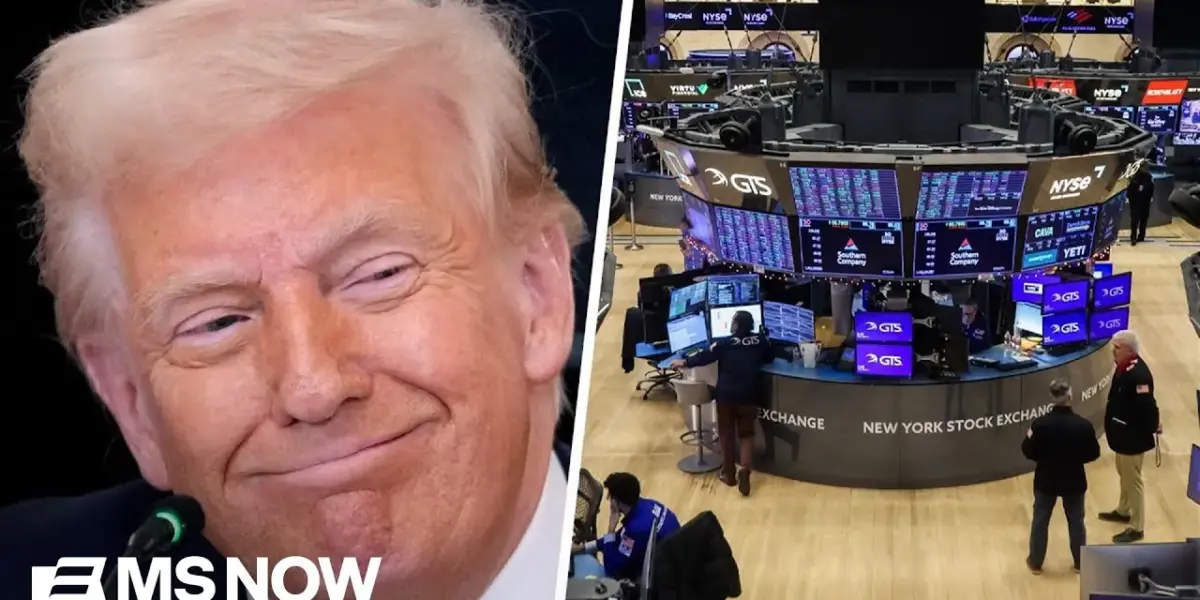
Economy Under Pressure Amidst Foreign Conflict and Rising Costs
Millions of Americans are feeling the pinch as the nation’s economy faces mounting pressure from foreign conflicts and increasing living expenses. While the stock market reflects global anxieties, the real impact is felt at kitchen tables across the country, where families are struggling to make ends meet. The current economic climate raises serious questions about how decisions made in Washington directly affect everyday citizens.
Markets React to Geopolitical Tensions
Financial markets are closely watching developments in the Middle East, with stock prices fluctuating based on the perceived risks of foreign conflict. When tensions rise, markets tend to fall, signaling a belief that future economic productivity might weaken. Conversely, moves toward de-escalation often lead to market gains, suggesting greater confidence in the economic outlook.
“The financial markets are doing a good job of tracking the ups and downs of what’s going on in the Middle East. And so when the markets are down, yes, that’s some rich guy who’s got a little bit less money. But really, that’s a lot of people betting that the future profitability and productivity of the American economy will be weaker.”
Public Opinion on the Economy Remains Negative
Despite any potential market upsides, a significant majority of Americans report that their household finances have been negatively impacted. Concerns about affording basic necessities like gasoline are widespread, with nearly half of U.S. adults expressing significant worry. President Trump’s approval ratings on the economy have remained low, with a large percentage of the public disapproving of his economic policies and handling of current events.
This negative sentiment predates recent foreign policy actions. Even before the current conflicts, economic approval numbers for the administration had consistently underperformed compared to earlier periods. This suggests that broader economic concerns, separate from immediate geopolitical events, are deeply affecting public perception.
Foreign Conflict Adds to Economic Woes
The ongoing foreign conflict has further complicated the economic picture. The war has been unpopular, and public support for continuing such engagements appears limited. Many Americans view the conflict as unnecessary and a contributor to rising costs, particularly at the gas pump.
Republicans, who might otherwise focus on issues like tax refunds that benefit constituents, find their message crowded out by discussions of the war. The White House has struggled to articulate a clear benefit for Americans from the ongoing conflict, leading to public skepticism.
Rising Healthcare Costs a Major Concern
Beyond concerns about gas prices, Americans are increasingly worried about the rising cost of healthcare. Before the new year, there were discussions about the expiration of Affordable Care Act (ACA) subsidies, which could lead to significant increases in healthcare expenses for typical families. Reports indicate that many Americans are already making difficult choices, such as skipping meals, to afford medical care.
The prospect of higher costs for doctor visits, treatments for illnesses like cancer, and other medical necessities in the expensive American healthcare system is a profound worry for many households. These rising costs directly impact people’s ability to plan for the future and manage unexpected health issues.
Connecting Policy to People’s Lives
The disconnect between abstract policy decisions and the tangible realities faced by individuals is a central theme. Promises to lower the cost of living are being weighed against the practical impact of policies like tariffs, foreign conflicts, and changes to healthcare subsidies. The current economic situation highlights a direct link between governmental actions and the human difficulties experienced by citizens.
Decisions made in Washington regarding foreign wars, trade policies, and domestic programs like healthcare subsidies have very real consequences. These consequences are not abstract economic indicators but are deeply felt in the daily lives of Americans struggling with expenses and uncertainty.
Looking Ahead
As the nation grapples with these economic challenges, attention will remain focused on how foreign policy decisions influence market stability and household finances. The public’s ongoing concern over rising costs, particularly for essentials like gas and healthcare, will likely shape political discourse and influence future policy debates. Observers will be watching to see if the administration can effectively address these widespread economic anxieties and reconnect with the concerns of everyday Americans.
Source: Economist: The stakes here are absolutely real (YouTube)

Related Articles


Trump’s ‘On Your Own’ World: Allies Abandoned, Economy Suffers
As gas prices surge and global tensions rise, the U.S. under Trump is telling allies they are "on their own." This shift leaves nations to fend for themselves, impacts the American economy, and raises serious questions about U.S. foreign policy and leadership.


Germany’s Forests Fall, But Its Systems Endure
Germany confronts environmental decline in its forests while its citizens value reliable systems and order. Online discussions reveal a tension between strict rules and the need for flexibility, alongside appreciation for the nation's enduring infrastructure and beauty.

Oil Shocks Threaten U.S. Economy, Recession Fears Grow
Growing fears of a U.S. recession are fueled by oil price spikes linked to the conflict in Iran. While higher oil costs hurt consumers and can increase inflation, the U.S. also benefits as an oil exporter. The Federal Reserve is watching closely, aiming to avoid policy missteps.