Economy Crumbles: Pawn Shops and Egg Prices Tell a Grim Tale
Rising pawn shop loans and high interest rates reveal widespread financial struggle. Despite claims of economic stability, falling consumer confidence and soaring energy prices suggest a grim reality for many Americans. The focus on minor price drops like eggs fails to mask deeper economic distress.

Economy Crumbles: Pawn Shops and Egg Prices Tell a Grim Tale
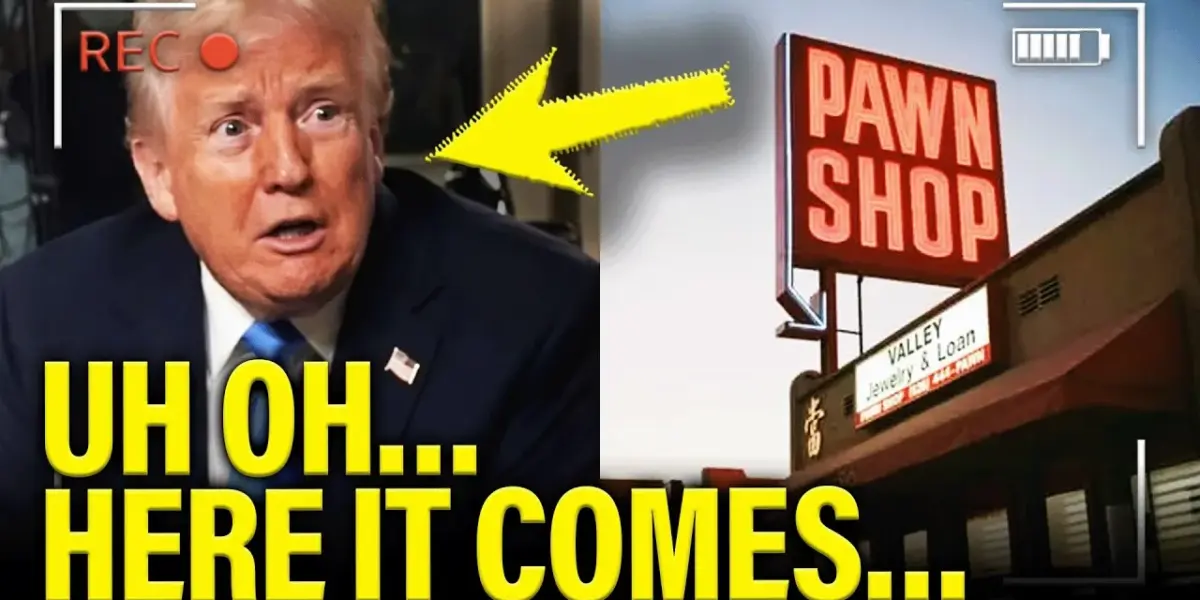
New economic data paints a troubling picture for everyday Americans. Pawn shop loans are on the rise across the country. People are borrowing an average of $200 to $300 just to cover basic living expenses. To get these small loans, they’re often hit with interest rates as high as 300% per year. This shows people are struggling to make ends meet.
The numbers also show a significant drop in consumer confidence, the steepest since 1980. This is happening at a time when prices for many goods are increasing. The economy’s growth, measured by GDP, appears to be shrinking. Wages have remained flat, meaning people’s earnings aren’t keeping up with rising costs.
A Tale of Two Narratives
The administration’s response to these economic challenges often focuses on isolated positive signs, like falling egg prices. This approach is criticized for ignoring the broader suffering many Americans are experiencing. For instance, a press secretary mentioned that while gas prices are high, eggs and beef are cheaper. This comment drew skepticism, even from some reporters, as it downplayed the impact of rising costs on essential goods and services.
The speaker, drawing on experience from Wall Street, highlights how financial markets operate. He points out that the consumer confidence index dropped six points. This decline is linked to worries about inflation and rising gas prices. Gas prices alone have jumped 21% since a specific date, acting like a hidden tax on people who can least afford it.
The Ripple Effect of High Energy Costs
When people can’t afford basic necessities like gas, they often turn to pawn shops for loans. These loans come with extremely high interest rates, creating a cycle of debt. This situation effectively acts as a 21% tax for those filling up their tanks. The money people spend on gas is money they can’t spend elsewhere, hurting businesses and slowing down the economy.
Consumer confidence reflects how people feel about the economy. When confidence is low, it means people are worried about their financial future. Many believe prices will continue to rise, even faster than the reported 3.3% increase. This feeling of economic insecurity is widespread.
Geopolitical Tensions and Economic Stability
The situation is further complicated by international events. Issues in the Strait of Hormuz have disrupted the flow of oil and natural gas. This disruption has led to significant price hikes. Even if a ceasefire were to occur, the speaker suggests it wouldn’t immediately solve the energy crisis. The complex geopolitical situation means that oil and gas shipments are severely reduced, impacting global supply and prices.
The cost of insuring ships passing through the Strait has increased dramatically. This makes it riskier and more expensive to transport fuel. The speaker warns that gas prices could rise much further, potentially reaching $6 a gallon. This would be a significant burden on American households.
Focus on Specifics vs. Overall Trends
The administration’s economic message often highlights specific price drops, such as for eggs or beef. One economic advisor pointed to policies that supposedly led to lower egg prices due to controlling avian flu and increased beef imports from Argentina. He also mentioned a drop in ticket prices, linking it to past government actions against price fixing.
However, this focus on individual items is contrasted with graphics showing significant price increases across a wide range of goods. Critics argue that while some prices may fall, the overall trend of rising costs is what truly affects people’s daily lives and their perception of the economy. The argument is that these specific price drops don’t offset the broader inflationary pressures.
Job Creation and Economic Performance
The discussion also touches on job creation. The current administration is credited with creating a substantial number of jobs over a few years. In contrast, recent job growth numbers are presented as weak, with a significant downward revision for a previous month. The speaker contrasts this with the job creation under a previous administration, suggesting a stark difference in economic performance.
The reliance on pawn shops for loans, even for items like guns, is presented as a sign of deep economic distress. This indicates that people are selling possessions to cover basic needs, a situation not typically covered by positive economic reports focused on broader market trends.
Why This Matters
The current economic situation directly impacts the financial well-being of millions of Americans. Rising prices for essential goods and energy, coupled with stagnant wages, reduce purchasing power and create financial hardship. The reliance on high-interest pawn shop loans highlights a segment of the population struggling to maintain basic living standards.
The disconnect between official economic narratives and the lived experiences of many citizens is a critical issue. When the government highlights minor price drops while major expenses increase, it can erode public trust and create a sense of being unheard. Understanding these economic indicators is crucial for informed decision-making by both individuals and policymakers.
Implications and Future Outlook
The economic data presented suggests a potential for significant public dissatisfaction. Factors like low consumer confidence and increased reliance on predatory lending could translate into political consequences. The speaker believes these economic conditions will drive high voter turnout in upcoming elections.
The future economic outlook appears uncertain, with potential for continued inflation and energy price volatility. The speaker suggests that geopolitical factors will continue to play a significant role in economic stability. Addressing these challenges will require more than just focusing on isolated price changes; it will likely involve broader economic policies and diplomatic solutions.
Historical Context
The comparison of current consumer confidence numbers to those of 1980 provides historical context for the severity of the current situation. This period in 1980 was marked by high inflation and economic uncertainty. The mention of job creation figures from a previous administration also serves to draw a contrast with current performance.
The discussion of energy market disruptions and geopolitical tensions echoes past economic challenges related to oil supply and international conflicts. Understanding how these factors have influenced economies in the past can offer insights into how they might impact the present and future.
Source: Trump DISASTER ECONOMY Exposed By SHOCK Source (YouTube)

Related Articles


Vance Navigates Iran Crisis Amidst Trump’s Conflicting Statements
A US delegation is in Pakistan for critical talks with Iran aimed at reopening the Strait of Hormuz, a key global oil route. The mission comes as rising gas prices and inflation strain the US economy. Former President Trump's conflicting statements and J.D. Vance's described role add complexity to the high-stakes negotiations.
War Sparks Inflation Surge: Energy Prices Soar to 3.3%
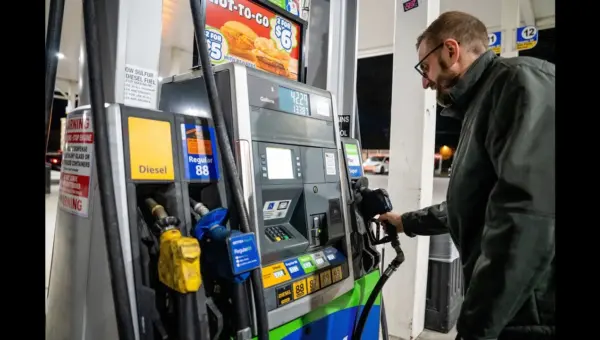
The annual inflation rate in the U.S. has climbed to 3.3%, its highest point since May 2024. This surge is almost entirely due to a spike in energy prices, driven by the conflict in Iran. Core inflation, excluding food and energy, showed only a slight increase.
Oil Price Shock Fuels Inflation; Fed Stays Put, Analyst Says
Soaring oil prices are the main driver behind March's inflation spike, not a sign of deeper issues, according to analyst Joseph Travisani. He believes the Federal Reserve will likely hold interest rates steady due to this temporary effect. However, regaining market confidence for oil prices to fall could take time, even if supply routes reopen.