Economist Slams ‘Crazy’ Dem Tax Ideas
Economist E.J. Antoni criticizes Democratic proposals for wealth taxes as "economic illiteracy." While taxing the rich is popular, states with high taxes face an exodus of residents and businesses to lower-tax havens like Florida and Texas. A debate also surrounds the affordability of raising families amidst rising costs.

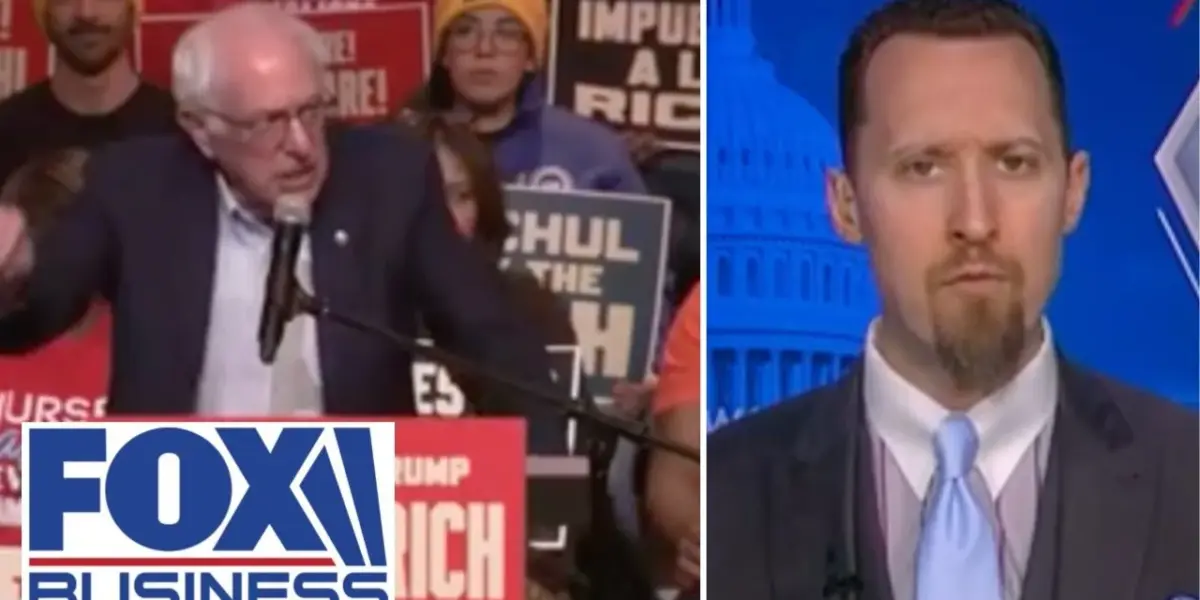
Economist Slams ‘Crazy’ Dem Tax Ideas Amid State Millionaire Tax Push
Democrats are signaling a potential shift in tax policy, with a focus on increasing taxes on the wealthy and large corporations. This comes as Washington state recently signed a millionaire’s tax into law. Meanwhile, Senator Bernie Sanders has been vocal about ensuring profitable corporations and the wealthiest individuals pay their “fair share.” This push for higher taxes on high earners and businesses is sparking debate about its economic impact and effectiveness.
‘Fair Share’ Debate Ignites Over Tax Proposals
The concept of a “fair share” of taxes is central to the current debate. Critics argue that wealthy individuals and profitable corporations already contribute significantly to the tax base. For instance, the top 1% of earners pay over 40% of federal income taxes, despite earning a smaller portion of total income. In states like New York, the wealthiest individuals can pay over 50% in taxes. These figures challenge the notion that the wealthy are not paying enough.
Economist E.J. Antoni points out that the term “fair share” is often left undefined by those advocating for higher taxes. This vagueness allows for flexibility in demanding more revenue without specifying exact percentages. Antoni suggests that this approach is driven by a desire to continually extract more from taxpayers, rather than a clear, defined tax policy. He believes this is a symptom of what he calls “economic illiteracy” among some policymakers.
States See Exodus Amidst High Tax Policies
While taxing the wealthy may be a popular idea among voters, its practical application is facing scrutiny. States like New York, California, and Oregon are reportedly losing residents and businesses to states with lower tax burdens, such as Florida, Texas, and Tennessee. These lower-tax states are experiencing success in attracting both wealthy individuals and companies. This migration pattern suggests that high taxes can negatively impact a state’s economic health and its ability to attract necessary income for public services.
Lee Carter, a pollster, acknowledges the popularity of taxing the rich and corporations, with over 60% of Americans agreeing with the sentiment. However, Carter also highlights the negative consequences observed in states with such policies. The loss of population and businesses to more tax-friendly states raises questions about the long-term sustainability and economic wisdom of aggressive wealth taxation.
Affordability Crisis and Family Planning
Beyond tax policy, a recent discussion at CPAC touched upon the affordability of raising families. An influencer suggested that people should have children, but this was met with a counter-argument citing the significant cost of childcare. One study suggests that a two-person household needs to earn over $400,000 annually to afford childcare without facing an affordability crisis. The threshold for childcare spending is suggested to be around 7% of a family’s income.
This perspective was criticized as “reckless” by some, who argue that suggesting people have children without addressing economic realities is irresponsible. Conversely, others argue that large, happy families are the backbone of America and crucial for the nation’s future. They question the notion that wealth directly correlates with happiness or well-being, noting research that suggests happiness can plateau or even decline after a certain income level, around $130,000.
Government Intervention in Sports Draws Criticism
Another recent proposal from Senator Bernie Sanders, the “Home Team Act,” aims to disrupt the relocation plans of sports teams, such as the Chicago Bears potentially moving to Indiana. This act would require a one-year notice before a team could relocate and would give communities a year to purchase the team at a “fair price.” This idea has drawn sharp criticism for its potential to increase government involvement in professional sports.
Critics question the definition of a “fair price” in this context and view the proposal as a form of socializing sports. They argue that government is already heavily involved in sports through stadium subsidies and that further intervention is unnecessary. This, along with other tax and economic proposals, is being characterized by some as stemming from a fundamental misunderstanding of economic principles.
Market Impact
The ongoing debate surrounding wealth taxes and increased corporate taxation creates uncertainty for investors. Policies that significantly raise the tax burden on high earners and corporations could impact corporate profitability and individual investment returns. States with aggressive tax policies may see a continued outflow of capital and talent, potentially affecting their economic growth. Conversely, states attracting wealth due to lower taxes could see increased investment and economic expansion. The “Home Team Act” proposal, while specific to sports, reflects a broader trend of proposed government intervention in business operations, which can affect market sentiment and investment decisions across various sectors.
What Investors Should Know
Investors should monitor state-level tax policy changes, as they can influence business location decisions and investment climates. The popularity of taxing the wealthy suggests that such policies may continue to be proposed and debated. Understanding the economic arguments for and against these policies, as well as observing their real-world impact on states that implement them, is crucial. Additionally, proposals that increase government intervention in business could lead to market volatility and require careful consideration of regulatory risks.
Source: ‘ECONOMIC ILLITERACY’: Economist calls out ‘CRAZY’ ideas from Dems (YouTube)

Related Articles


Wealth Tax Proposal Sparks Outrage, Risks Economic Harm
Economist Steve Moore warns that a proposed national wealth tax is an 'outrageous' policy that could harm job creation and economic growth. He argues that similar state-level taxes have failed, leading to an exodus of wealthy residents. The proposal also includes a controversial exit tax that critics liken to a 'financial Berlin Wall'.


Sanders Demands Tax Hike on Billionaires to Aid Working Families
Senator Bernie Sanders rallied in the Bronx, criticizing the vast wealth inequality in America and calling for higher taxes on billionaires. He argued that the current tax system is rigged, benefiting the ultra-rich while working families struggle. Sanders proposed a 5% wealth tax on billionaires to fund social programs and address issues like poverty and homelessness.


Sanders Demands Rich Pay Fair Share Amidst Protests
Senator Bernie Sanders rallied in New York City, calling for higher taxes on the wealthy. The event, covered by Status Coup, highlighted public frustration with economic inequality. The movement demands a fairer tax system to fund essential services and address the wealth gap.