Easter’s Core Mystery: Hallucinations vs. Resurrection
The core mystery of Easter questions whether Jesus' post-mortem appearances were physical resurrections or hallucinations driven by grief. Skeptics point to disciples' initial failure to recognize Jesus, while believers highlight the narrative's emphasis on bodily resurrection and the story of doubting Thomas.

Easter’s Core Mystery: Hallucinations vs. Resurrection
The story of Easter centers on a profound question: Did Jesus rise from the dead in a physical body, or were the appearances reported by his followers a result of intense grief and psychological phenomena? This central mystery has fueled debate for centuries, with skeptics often pointing to the disciples’ initial failure to recognize Jesus as evidence for hallucinations.
The Emmaus Road Encounter
One key event discussed is the journey to Emmaus, west of Jerusalem. Here, two disciples, deeply saddened by Jesus’ death, met someone they didn’t recognize at first. They talked with him and even shared a meal before realizing it was Jesus. Brother Anton, a figure in the discussion, highlights the emotional weight of this story, noting how Jesus turned their sorrow into joy.
The strangeness of the Emmaus story is that people who knew Jesus well could not identify him immediately. This detail is often used by skeptics to suggest that the disciples were experiencing visions or hallucinations due to their grief. The question is raised: If Jesus’ bodily resurrection was so crucial, why did he make it difficult for them to recognize him?
The Hallucination Argument
The argument that the appearances were hallucinations is a common skeptical viewpoint. This idea suggests that the disciples, overwhelmed by loss, might have seen or heard things that weren’t really there. The discussion notes that grief can cause people to experience visions of departed loved ones, with studies showing about half of grieving people report such experiences.
However, the analysis presents counterarguments to the hallucination theory. For one, hallucinations are typically private experiences, unique to an individual. It is considered unlikely that a group of people would simultaneously experience the exact same hallucination with the same details. This makes the idea of a shared, simultaneous hallucination among multiple disciples seem implausible.
Doubting Thomas and Bodily Resurrection
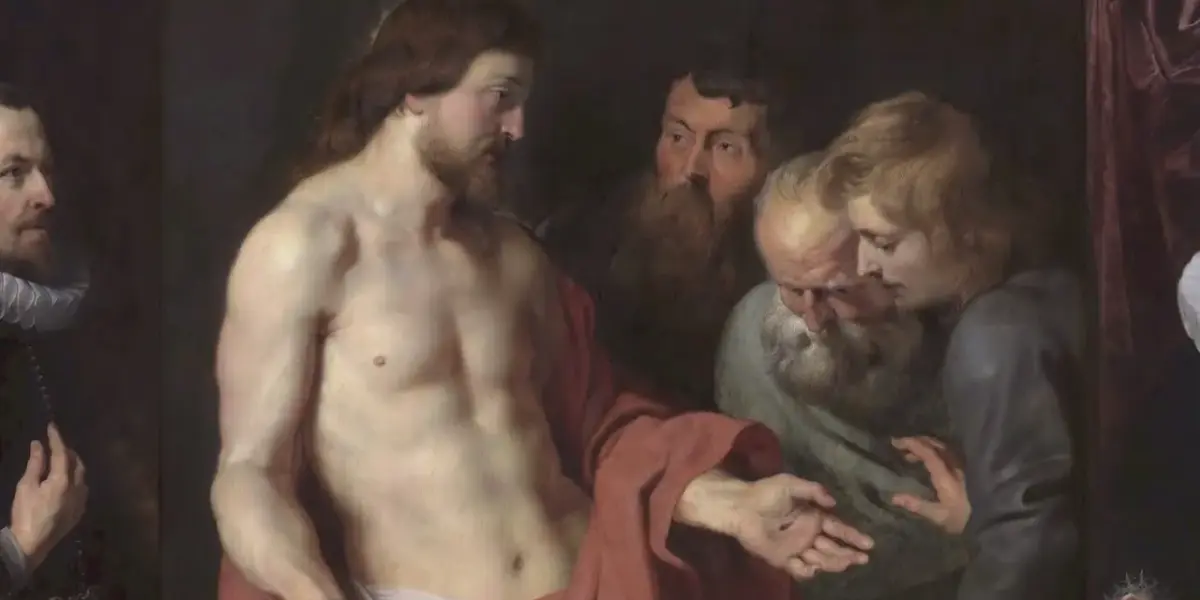
Another significant event is the encounter with Thomas, who famously doubted Jesus’ resurrection until he could see and touch him. According to the Gospel of John, Jesus invited Thomas to examine his hands and side, saying, “Do not be unbelieving, but believing.” Thomas’s response, “My Lord and my God,” is seen by believers as a pivotal moment confirming the physical reality of Jesus’ resurrected body.
This story is presented as directly addressing the need for bodily resurrection, which is described as the hope of Israel. The very inclusion of the doubting Thomas narrative within the Gospels is interpreted by some as an attempt to counter the skepticism that likely existed even at the time. The reasoning is that the writers would not have addressed these doubts if they weren’t a real concern.
Skepticism and Belief
The discussion acknowledges that modern psychology might lean towards explaining these events as psychological phenomena, especially given the power of belief and the commonality of seeing loved ones after death during mourning. However, it also highlights that the disciples were not portrayed as blindly following Jesus; they had their own minds and questioned things, as Thomas did.
The core of the Easter mystery remains whether these encounters were genuine physical appearances of a resurrected Jesus or a product of the human mind grappling with profound loss. The text suggests that the Gospel writers themselves seemed aware of and addressed the skeptical viewpoints of their time, indicating that these questions about the nature of Jesus’ appearances were present from the very beginning.
Global Impact
The interpretation of the Easter events has shaped religious belief and cultural practices worldwide for two millennia. The concept of bodily resurrection forms the bedrock of Christian theology, influencing art, music, philosophy, and social structures. Different views on these events continue to shape interfaith dialogue and philosophical discussions about faith, evidence, and the nature of reality.
Historical Context
The early Christian movement emerged within a Jewish context that anticipated a messianic age and, for some, a future bodily resurrection of the dead. The New Testament writings, including the Gospels, were produced in a period when oral traditions were strong, and competing beliefs and interpretations were common. The inclusion of skeptical figures like Thomas and the detailed accounts of appearances, including moments of doubt and delayed recognition, can be seen as part of the process of solidifying and explaining the core tenets of the new faith to both believers and potential converts in a skeptical world.
Economic Leverage
While the transcript does not discuss economic factors, the historical spread of Christianity has been intertwined with trade routes, political alliances, and cultural exchange. The economic influence of religious institutions throughout history has been significant, shaping societies and economies in various regions.
Regional Alliances and Rivalries
The early spread of Christianity involved interactions and sometimes conflicts with existing religious and political powers in the Roman Empire and beyond. The development of distinct Christian traditions in different regions also led to the formation of unique cultural and sometimes political identities over time.
Future Scenarios
The debate over the nature of Jesus’ post-mortem appearances is likely to continue. Future discussions may involve new interpretations of ancient texts, advancements in psychology and neuroscience, and ongoing theological dialogue. The enduring power of the Easter narrative lies in its ability to provoke questions about belief, evidence, and the human experience of hope and loss.
Source: To Jesus skeptics, post-mortem appearances were hallucinations | The Mystery of Easter with Chris Cu (YouTube)

Related Articles


Ancient Rome’s Power Clash Echoes in Modern Hope
Kathie Lee Gifford's new book, "Nero and Paul," contrasts the tyrannical Emperor Nero with the Apostle Paul. It explores how Paul's message of grace offered hope and ultimately influenced the Roman world. Gifford believes this ancient story still resonates with people seeking meaning today.


Faith Resurfaces: America Sees Religious Boom
A notable religious revival is occurring in the United States, with data showing a stabilization and rise in Christian identification, particularly among young people. This trend, observed across various age groups and communities, suggests a growing positive view of religion's influence in American life.


Jesus’s Survival: The Unlikely Resurrection Theory
Exploring the possibility of Jesus surviving the crucifixion, this analysis examines historical probabilities and alternative theories for the empty tomb. While survival on the cross is deemed unlikely by historians, the accounts of Jesus appearing to his followers are presented as stronger evidence for the resurrection.