Dyslexia Doesn’t Define Leaders: A Leader’s Fierce Defense
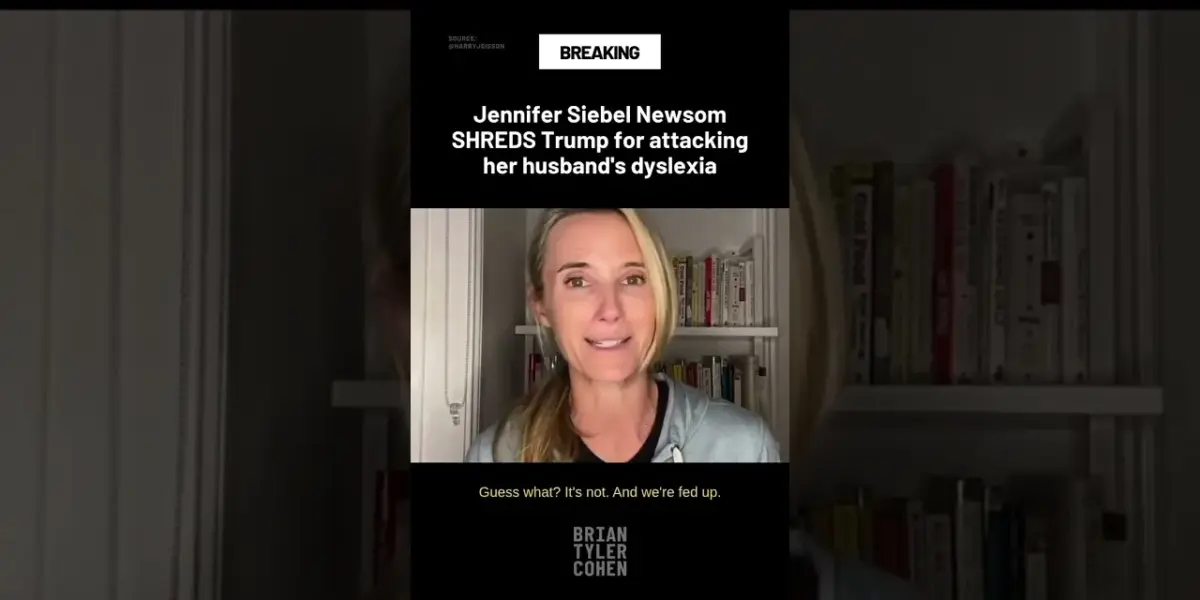
Jennifer Siebel Newsom fiercely defended her husband, Governor Gavin Newsom, against Donald Trump's remarks about dyslexia. She argued that learning differences do not define a leader's capability or intelligence, highlighting that many successful individuals have dyslexia. Newsom then questioned what truly disqualifies a leader, listing serious accusations against Trump.

First Lady Defends Governor Against Mockery
Jennifer Siebel Newsom, the First Lady of California, recently spoke out strongly against Donald Trump’s remarks about her husband, Governor Gavin Newsom, and his dyslexia. Trump had made comments suggesting that a learning disability like dyslexia might make someone less capable of leading. Newsom’s wife found these comments to be both ignorant and offensive. She argued that having dyslexia, or any learning difference, does not mean someone is less intelligent or less able to achieve great things. In fact, she pointed out that many highly successful people in business and other fields have dyslexia.
Learning Differences Are Not Weaknesses
Newsom emphasized that learning differences should not be seen as a sign of weakness. She shared her personal experience as a mother of children who learn differently. She sees firsthand the extra effort, emotional strength, and determination her children put in every day. These children, she explained, are already working harder to keep up with their peers. They are learning to believe in themselves despite challenges. Newsom stated these differences don’t make children less intelligent, capable, or worthy of leadership. Instead, she believes they make individuals special and highlight their unique strengths.
Learning differences don’t make you less intelligent. They don’t make you less capable. And they certainly don’t make you less worthy of leadership. They make you special.
What Truly Disqualifies a Leader?
Jennifer Siebel Newsom turned the conversation around, asking what truly disqualifies a leader. She listed several serious accusations against Donald Trump. These included being a convicted felon and being found liable for sexual abuse. She also mentioned his history of degrading female journalists and bankrupting businesses. Furthermore, she noted his name appearing in the Epstein files and his actions that she described as sending extremists to terrorize communities and separate families. Newsom concluded that Trump’s overall actions and character are what are truly disqualifying for any leadership position.
Historical Context of Learning Differences
For a long time, learning differences like dyslexia were misunderstood. People often thought they meant a person was not smart. This led to stigma and missed opportunities for many individuals. However, research over the years has shown that dyslexia is simply a different way of processing information. It does not reflect a person’s overall intelligence or potential. Many historical figures, like Albert Einstein and Leonardo da Vinci, are believed to have had learning differences. Their contributions to science and art prove that these differences can even be linked to creativity and innovative thinking.
Why This Matters
This public disagreement highlights a crucial conversation about how we view intelligence and leadership. Attacking someone’s learning difference as a weakness is not only hurtful but also inaccurate. It ignores the reality that many successful people have navigated these challenges. Newsom’s defense is important because it challenges the notion that conformity to a specific way of learning is the only path to success. It encourages a broader understanding of capability and potential. This perspective is vital for creating inclusive environments where everyone feels valued and empowered to lead.
Implications and Future Outlook
The exchange between Newsom and Trump has broader implications. It brings attention to the need for empathy and accurate understanding of learning differences. As more public figures discuss their own or their family’s learning challenges, the stigma continues to decrease. This can encourage more people to seek help and support. It also pushes society to reconsider what qualities truly make a good leader. The focus is shifting from perceived flaws to demonstrated character, integrity, and ability to serve the public. Looking ahead, we can expect more open discussions about neurodiversity in leadership roles. This will hopefully lead to a more accepting and effective society for everyone.
Source: Jennifer Siebel Newsom SHREDS Trump for attacking her husband's dyslexia (YouTube)

Related Articles
Trump’s Name Everywhere: A ‘Stain’ on GOP Legacy?
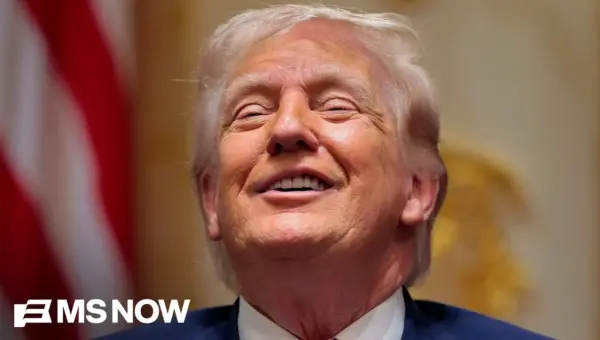
Former President Donald Trump's efforts to brand national symbols, including a proposed signature on dollar bills, spark debate. Critics view this as an authoritarian attempt to embed his legacy, potentially staining the Republican Party's history and contrasting with democratic ideals of public ownership.


Trump’s War Talk Stuns Financial Crowd
Donald Trump's recent speech in Miami focused on his foreign policy, particularly his critical views on NATO and his vision for international relations. He declared the U.S. would no longer defend NATO allies, questioned the value of existing alliances, and suggested renaming the Strait of Hormuz. The speech also touched on his personal views of success, his allies, and his perceived role as a global peacemaker.
Trump’s Warpath: New Threats Signal Imperial Ambitions
Recent statements from Donald Trump reveal a potential embrace of increased military action and interventionist foreign policy. This approach, characterized by critics as "imperialism 2.0," contrasts with his past promises of peace and has even drawn criticism from parts of his own base. The implications for U.S. global engagement and domestic priorities are significant.