Dubai Reels as Iran’s Retaliation Attacks Disrupt UAE
Dubai is experiencing significant unease after Iran launched over 160 ballistic missiles and 500 drones targeting the UAE. While many projectiles were intercepted, the attacks resulted in three deaths and damaged critical infrastructure, including airports and residential areas, disrupting daily life and stranding thousands.


Dubai Experiences Unease Amid Iranian Retaliation Attacks
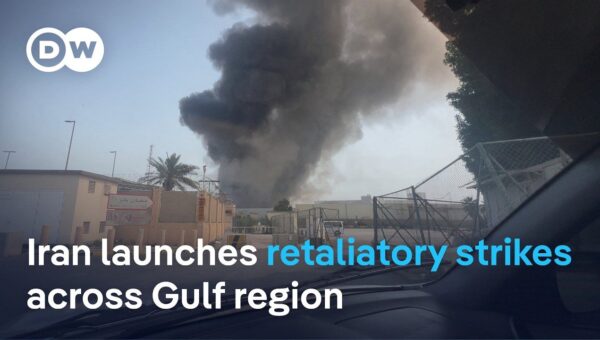
Dubai, a city often lauded for its safety and luxury, is experiencing a palpable sense of unease following a series of retaliatory attacks launched by Iran. Since Saturday, the United Arab Emirates (UAE) has been the target of over 160 ballistic missiles and more than 500 drones originating from Iran. While many of these projectiles were intercepted by air defense systems, the strikes have resulted in casualties and significant damage to civilian infrastructure, including major airports and residential areas.
Escalation Fueled by Regional Tensions
Iran has stated its actions are a direct response to joint US-Israeli strikes on its territory. However, residents in Dubai, many of whom are expatriates and tourists, report feeling caught in the crossfire, never anticipating becoming targets themselves. The situation has led to widespread disruption, with thousands, including journalists on the ground, being stranded as airports suspend operations.
Impact on Daily Life in Dubai
Despite efforts by the Emirati government to project an image of calm and continued safety, the anxiety among the population is evident. Public spaces like shopping malls appear less crowded, and many residents are opting to stay home. Educational institutions, including universities and schools, have transitioned to online learning to ensure the safety of students. The closure of airports has not only stranded travelers but also impacted the flow of goods and services, contributing to long queues observed at supermarkets as residents stock up in anticipation of further uncertainty.
Damage and Casualties Reported
The intercepted missiles and drones, while preventing a wider catastrophe, were not entirely ineffective. Reports indicate that some projectiles managed to breach defenses, causing damage to hotels, the Abu Dhabi and Dubai airports, and housing complexes. Tragically, three individuals lost their lives as a direct result of the attacks, underscoring the real-world consequences of the escalating regional conflict.
Government Response and Public Sentiment
The UAE government is navigating a delicate balance, aiming to reassure its population and international visitors while acknowledging the severity of the situation. The official stance emphasizes the country’s robust defense capabilities and commitment to maintaining stability. However, the underlying worry among residents is a testament to the disruptive nature of the attacks and the uncertainty they have injected into daily life in a city accustomed to peace and prosperity.
Broader Implications and Future Outlook
These retaliatory strikes by Iran represent a significant escalation in regional tensions, drawing the UAE into a conflict that had previously seemed distant. The attacks highlight the vulnerability of even seemingly secure urban centers to asymmetric warfare and the far-reaching impact of geopolitical instability. As the situation unfolds, the world will be watching to see how diplomatic efforts respond to this new phase of conflict, the effectiveness of the UAE’s air defenses against sustained attacks, and the potential for further escalation or de-escalation in the coming days.
Source: Dubai is on edge after Iran's retaliation attacks | DW News (YouTube)

Related Articles


US Strikes Iran: 3 Troops Dead, President Warns of More
Three U.S. troops have been killed in new missile strikes against Iran, prompting President Trump to warn of further casualties. The operation, "Epic Fury," has led to Iranian retaliation, regional instability, and significant global economic and travel disruptions. Iran is also facing a leadership vacuum following the death of its Supreme Leader.
Iran Strikes Neighbors: Gulf Relations Suffer Amid Retaliation
Iran's retaliatory strikes have reverberated across the Gulf, damaging relations with neighboring countries and impacting civilian infrastructure. Experts warn that these actions jeopardize fragile diplomatic progress and violate the sovereignty of U.S. allies in the region.


Trump Addresses Iranians Amid Escalating Regional Conflict
President Trump addressed the citizens of Iran directly amidst escalating conflict, urging them to seize the moment for freedom following the death of Supreme Leader Ayatollah Ali Khamenei. The move comes as the region grapples with intense airstrikes, retaliatory attacks, and the first U.S. casualties of the ongoing military campaign.