Drug-Laced Sharks Signal Environmental Crisis
Sharks in the Bahamas are testing positive for drugs like cocaine, revealing a serious pollution problem. Scientists worry about the health of marine life and potential aggression in sharks. The issue stems from poorly treated wastewater, impacting the entire ocean ecosystem.

Drug-Laced Sharks Signal Environmental Crisis
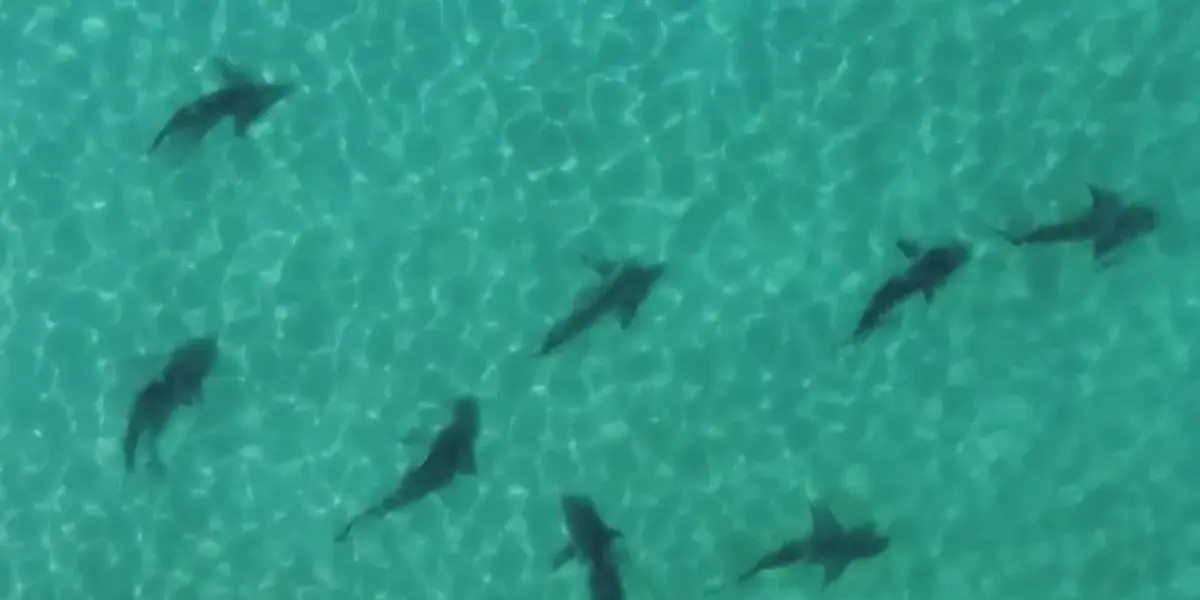
Sharks in the Bahamas have tested positive for drugs like cocaine and painkillers. This discovery, detailed in a new study, points to a growing problem of pollution in our oceans. Scientists are worried about what this means for marine life and even human safety. The clear waters of the Bahamas are now showing a disturbing hidden threat.
How Drugs Reach Sharks
Researchers captured 85 sharks from different species near a remote island. About a third of these sharks had detectable drugs in their blood. This suggests they are regularly exposed to these chemicals at low levels. Unlike some previous studies where pollution was highly concentrated, this situation points to a more widespread issue.
The drugs likely enter the sharks through wastewater. Many coastal areas have wastewater systems that are not fully treating sewage. About 85% of wastewater entering coastal waters is either poorly treated or not treated at all. This untreated or partially treated water often contains pharmaceuticals. These drugs are flushed down toilets or come from septic systems and boats.
Impact on Sharks and Ecosystems
Scientists are concerned about how these drugs affect sharks. Constant exposure to chemicals can harm their health and disrupt the entire marine ecosystem. A key question is whether the drugs make sharks more aggressive towards people. This is a serious worry for swimmers and divers.
A recent study found metabolic changes in the sharks exposed to these drugs. This means their bodies are working harder to process the chemicals. It could affect their energy levels, ability to reproduce, and overall long-term health. Sharks already face many challenges, and these pharmaceuticals add another pressure.
Broader Environmental Concerns
This problem isn’t limited to sharks. Previous studies found drugs and behavioral changes in fish worldwide. This raises questions about whether humans are affected by eating seafood contaminated with these chemicals. While the doses might be small now, the increasing amount of chemicals in the ocean means humans could face chronic exposure and impacts over time.
Solutions and Future Outlook
Fixing this problem requires better wastewater treatment. Current systems mainly focus on removing germs and nutrients. We need to improve these systems to also filter out problematic pharmaceuticals and chemicals. This would help protect marine life and potentially human health.
The study highlights a growing environmental crisis. As more chemicals enter our waters, the health of marine ecosystems and those who depend on them is at risk. The situation in the Bahamas is a clear warning sign that we need to address pollution more effectively.
Global Impact
This issue shows how interconnected our environment is. Pollution from land-based sources, like wastewater, travels far into the ocean. It affects top predators like sharks, which are crucial for a healthy marine environment. If sharks’ behavior changes or their populations decline, it can have ripple effects throughout the food web. Furthermore, the potential for contaminated seafood means human health is also linked to this problem.
Historical Context
Concerns about pollution in oceans are not new. For decades, scientists have studied the impact of plastic, oil spills, and industrial waste. However, the widespread presence of pharmaceuticals in marine life is a more recent and complex challenge. This study builds on earlier research that identified drug residues in fish, showing the problem is widespread and persistent.
Economic Considerations
The Bahamas relies heavily on tourism, especially for its clear waters and marine life. If shark behavior changes or there are concerns about safety, it could harm the tourism industry. Protecting marine ecosystems is not just an environmental issue but also an economic one.
Future Scenarios
One future scenario is that wastewater treatment improves globally, reducing the flow of drugs into oceans. Another scenario is that the problem worsens, leading to more significant health issues for marine life and potential risks for humans. A third possibility is that new technologies are developed to remove these specific contaminants from wastewater. The likelihood of each scenario depends on global cooperation and investment in environmental protection.
Source: Why sharks tested positive for cocaine in the Bahamas | Jesse Weber Live (YouTube)

Related Articles


Trump’s Voting Order Faces Swift Legal Attack
A new executive order by Donald Trump restricting mail-in voting faces a swift legal challenge from lawyer Mark Elias. The lawsuit argues the order is unconstitutional and aims to prevent its implementation before it can disenfranchise voters.


Trump’s Leadership: A Moral Vacuum for Young Learners?
Young people seek moral guidance from leaders, but what lessons does Donald Trump offer? Some argue his approach teaches negative behaviors like bullying and isolation, contrasting with traits like patience and gratitude seen in others. This raises questions about leadership character and its impact on societal values.


US Jet Downed in Iran: Stakes Skyrocket for Captured Crew
A US F-15 jet shot down over Iran raises tensions, with search efforts underway for the two crew members. The incident could become a major propaganda win for Iran if the crew is captured, potentially altering the war's outcome and public opinion.