Drug Gangs Recruit Middle-Class Kids for Covert Operations
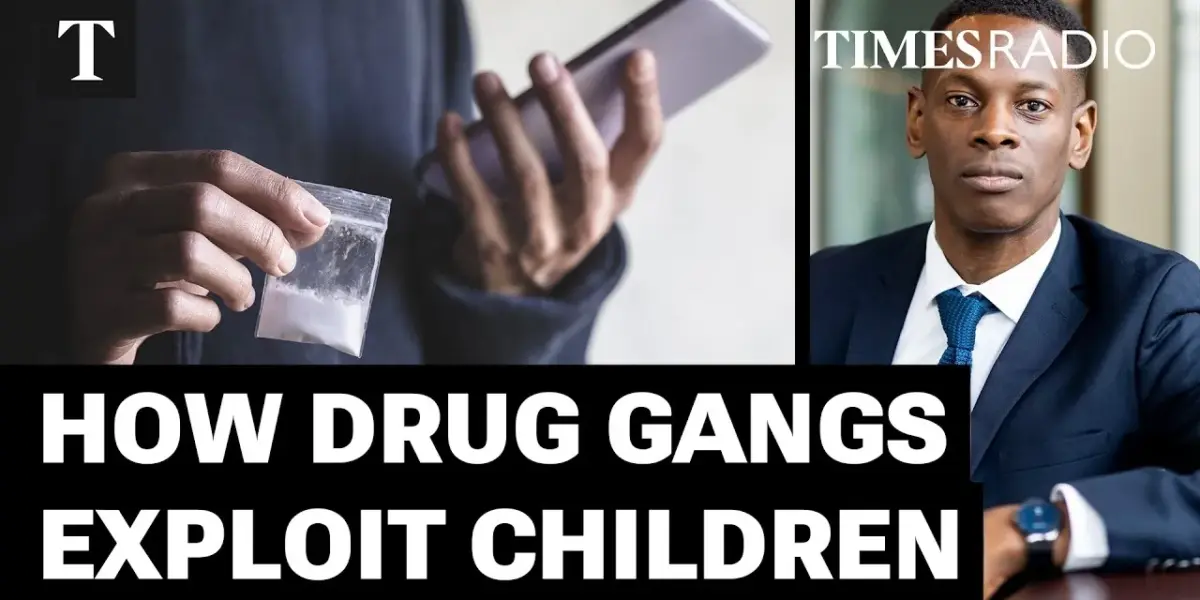
Drug gangs are increasingly recruiting middle-class children, who are less likely to attract suspicion, to deal drugs. An investigation reveals how 'social media lines' and traditional county lines are exploiting young people across the UK, regardless of their background. The findings highlight the urgent need for increased awareness and intervention to combat this evolving threat.

Drug Gangs Recruit Middle-Class Kids for Covert Operations
Drug gangs are increasingly targeting middle-class children to act as drug mules and dealers, a new investigation reveals. These young people are being exploited because they are less likely to attract suspicion from authorities, allowing criminal networks to operate more freely. The alarming trend highlights how drug operations have expanded beyond traditional urban areas and are now reaching into suburban and even rural communities.
An Observation Sparks an Investigation
The investigation began with a personal observation by journalist David Woode. Traveling home late one night, he noticed two boys, no older than 13 or 14, at a South London train station. Their presence at that hour, along with a backpack and a phone, struck him as unusual. When he questioned them, they claimed to be waiting for someone. This encounter, combined with insights from a gang expert, Professor Simon Harding, planted the seed for a deeper look into the exploitation of teenage boys and young men.
Professor Harding pointed out a critical gap in public awareness. While much attention is given to the sexual exploitation of young girls, he stated that a generation of teenage boys and young men are being groomed and trafficked to sell drugs. Their lives are constantly at risk, yet this aspect of drug crime often goes unaddressed. This conversation, happening around the time of a grooming inquiry announcement, provided a crucial perspective on a hidden crisis.
A Decade On: County Lines Still a Major Threat
August last year marked 10 years since the National Crime Agency declared ‘county lines’ a national issue. County lines refer to drug dealing operations that run from urban areas into smaller towns and villages, often using young people to transport and sell drugs. The investigation aimed to assess the progress, or lack thereof, in tackling this persistent problem over the past decade.
Inside a Drug Raid: A Glimpse into the Operation
The investigation involved extensive fieldwork, including shadowing police officers and attending a dramatic raid in the West Midlands. The early morning operation saw a team of officers, including tactical support and uniformed police, descend on a residential street. They surrounded a house and, using a battering ram, forced entry.
Inside, officers found the suspect in his bedroom with multiple mobile phones. The raid, captured with audio equipment attached to the officer forcing entry, revealed the chaos and confusion of the family. The suspect, identified as Muhammad Kashid, was arrested for drug offenses, including being concerned in the supply of Class A drugs. He later pleaded guilty to three offenses and awaited sentencing.
The raid highlighted the disturbing reality of modern drug dealing. Kashid was operating a significant drug network, potentially nationwide, entirely from his bedroom. This underscores how technology and a lack of direct physical involvement can facilitate large-scale criminal activity.
Social Media Lines: A New Frontier for Drug Dealing
Beyond the traditional physical movement of drugs, the investigation uncovered the rise of ‘social media lines.’ The National County Lines Coordination Centre reported 6,544 traditional county lines and an additional 500 social media lines. These newer operations focus on selling recreational drugs like cocaine, MDMA, ketamine, crystal meth, and cannabis to smartphone users.
Unlike traditional county lines that rely on burner phones and text messages, social media lines utilize encrypted messaging apps like WhatsApp. These platforms allow dealers to discreetly advertise their products using coded language. Examples include phrases like “Frosty on,” “roll up, roll up,” or “Santa Claus is in town, let’s get this snowing.” The drugs offered can range from recreational substances to prescription medications like Zopiclone and Xanax, positioning these dealers as comprehensive underground chemists.
Targeting the Undetected: Middle-Class Youth Exploited
A particularly alarming finding is the deliberate targeting of middle-class children by drug gangs. These young people are recruited because their backgrounds often mean they do not raise immediate suspicion. Youth workers reported that gangs are actively seeking out children who are doing well in school and come from stable home environments.
One youth worker in Kent shared experiences with army families who were terrified and unsure how to help their children after they had been targeted. Another in the Southwest of England noted that the gangs specifically target high-achieving students who are unlikely to cause concern. This strategy allows the gangs to operate with a lower risk of detection.
This exploitation is not limited by class, age, or race. It demonstrates how manipulation and exploitation can affect anyone, especially those with less robust support networks. The investigation found instances where children as young as six had been targeted, revealing the disturbing reach of these criminal enterprises.
A Classless, Ageless, Raceless Threat
The problem of drug gang exploitation is widespread, affecting communities across the UK, not just major cities. Investigations in areas like North Yorkshire, known for its picturesque towns, show that no community is immune. The findings challenge the perception that drug dealing is confined to specific urban environments.
The article shares the harrowing story of a young man, referred to as ‘Mike’, who was groomed and exploited by different gangs twice. Even after his parents moved him to a new area, he was targeted again. Reflecting on his experience, he described feeling like he was under a spell, unable to distinguish right from wrong at the time.
His gratitude for his case worker highlights the importance of support systems. He emphasizes the need for greater awareness, as this exploitation can happen to anyone’s child or grandchild. The raw accounts from individuals who have lived through such experiences, including spending days in ‘trap houses’ and facing intimidation, offer a stark reminder of the human cost behind the statistics.
Looking Ahead: Raising Awareness and Intervention
The investigation underscores the urgent need for increased awareness and effective intervention strategies. The exploitation of young people, regardless of their background, is a critical issue that requires a coordinated response from law enforcement, social services, and communities. As gangs continue to adapt their methods, utilizing social media and targeting vulnerable demographics, staying informed and vigilant will be paramount in protecting the next generation.
Source: Drug Gangs Target Middle-Class Children to Deal Undetected | David Woode (YouTube)

Related Articles

Ex-Drug Runner Details Harrowing ‘County Lines’ Exploitation
A former 'county lines' drug runner, known as Mike, has shared his harrowing experiences of being lured into drug dealing as a teenager. He details the exploitation, violence, and near-fatal encounters that led him to realize the severity of his situation and the importance of support systems for vulnerable youth.

Teens Run Drug Rings: Law’s ‘Loophole’ Fuels Youth Exploitation
Young people are increasingly taking charge of county lines drug operations, exploiting legal protections designed to safeguard victims. Police are concerned that the Modern Slavery Act, intended to help those exploited, is being used as a 'loophole' by teenagers running drug networks, making prosecutions difficult.

Police Crack Down on “County Lines” Drug Operations
Police in York are intensifying their fight against "county lines" drug operations, where dealers exploit vulnerable individuals to sell drugs across the UK. An investigation into the "Teddy Line" led to a significant arrest and the seizure of drugs and a key phone, but officers acknowledge the ongoing challenge of replacing dealers.