Drones Over US Troops: Simple Defenses Can Save Lives NOW
Enemy drones are a growing threat to US troops in the Middle East. Simple, readily available defenses like netting and electronic warfare can significantly improve protection. The US military must learn from ongoing conflicts to implement effective countermeasures immediately.

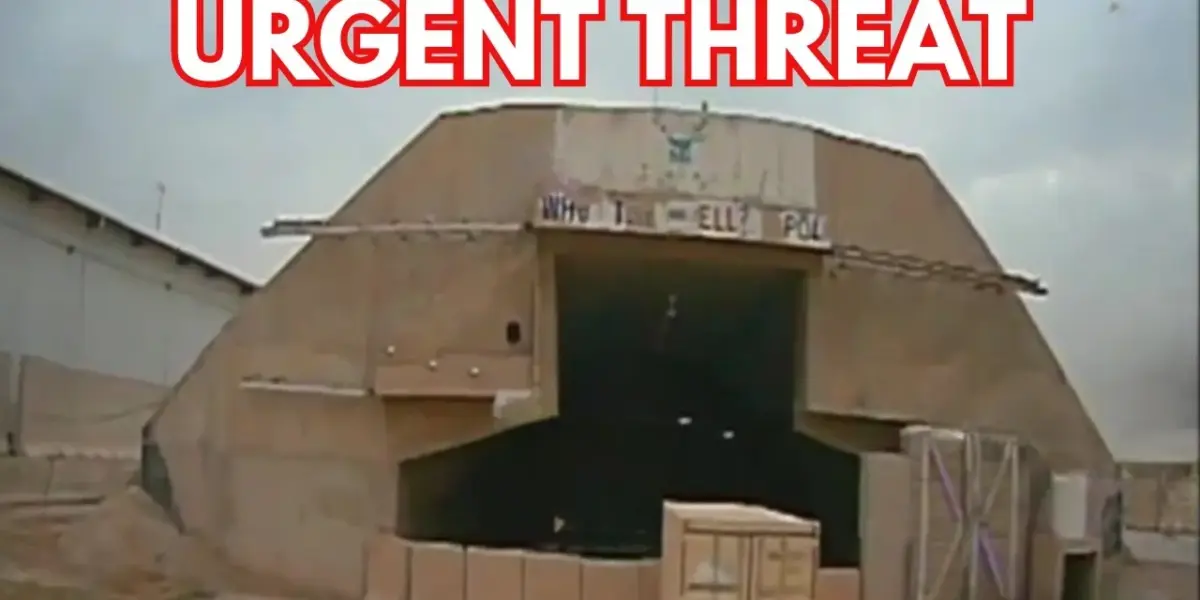
Drones Over US Troops: Simple Defenses Can Save Lives NOW
Enemy drones are now flying over U.S. military positions in the Middle East. This creates a serious threat. The good news is, service members can take steps right now to protect themselves using equipment they already have. No fancy new technology or special training is needed. Simple items found in a motorpool can save lives.
What’s the Threat?
We are only beginning to see the full extent of this danger. Recently, a drone flown by an Iran-backed militia was spotted over the U.S. embassy complex in Baghdad. It’s impossible to tell if these drones are armed just by looking at them. Having any enemy drone fly freely over your location is a major concern. Thankfully, that specific drone wasn’t carrying explosives, but a similar one recently struck U.S. positions at Camp Liberty in Iraq.
There are different types of drones. The large, long-range drones used against U.S. bases are a different problem. Soldiers on those bases can’t do much about them. They need advanced systems like interceptors or C-RAM. This video focuses on smaller, short-range drones. These include FPV (first-person view) drones, bomber drones that drop explosives, and reconnaissance drones used for spying.
Understanding Drone Types and Range
These smaller drones can be controlled in two main ways: by radio or by fiber optic cable. Radio-controlled drones are common and can be affected by electronic warfare jamming. Fiber optic drones, however, use a thin cable that spools out behind them, maintaining a connection to the operator. This connection cannot be jammed electronically. These are becoming more common in Ukraine and are now being used in Iraq.
The range of these drones varies. Fiber optic drones likely have a strike capability of about 10 to 20 kilometers. Reconnaissance drones can go even further. Radio-controlled drones, like the Mavic style, can also drop munitions up to about 15 to 20 kilometers, depending on factors like battery life and signal repeaters. Anything within a 20-kilometer radius can potentially be used to attack a U.S. facility.
Protecting Static Locations: Simple Solutions
This advice is for fixed locations like bases and embassies, not for vehicles on patrol. The simplest and most readily available defense is netting. Many people ask about new, high-tech anti-drone systems, but basic netting can be highly effective. In Ukraine, forces are using fishing nets to cover roads, command posts, and barracks. Even standard military camouflage netting, despite its holes and messy appearance, can work.
The goal of netting is to stop the drone from reaching its target. The holes in the netting don’t need to be tiny. Drones are typically 12 to 20 inches wide, so even large gaps can stop them. For FPV drones, netting can sometimes cause them to impact or detonate a few meters away, which is still better than a direct hit. Fishing nets are particularly useful because they are fine enough to stop grenades and mortars dropped from above, as well as FPV drones.
Another option is fencing. While harder to set up, it can provide standoff protection. This is about protecting against overhead threats, not just ground-level barriers. Spare Hesco barriers and their wiring can also be used to create protective covers. Currently, many locations have little to no overhead protection, leaving them vulnerable.
Leveraging Existing Electronic Warfare
Electronic warfare (EW) equipment, often used on vehicles, can be repurposed for static defenses. If units aren’t planning extensive patrols, these EW kits should be moved to protect bases and critical areas. With drones capable of striking from 20 kilometers away, bases can quickly become unsafe. Deploying EW kits around command posts and barracks can create a safer zone.
Most available drones are radio-controlled. By jamming these signals, even partially, the enemy is forced to rely on more expensive and less common fiber optic drones. This significantly reduces the threat. EW kits should be operational 24/7 around sensitive locations.
Last-Minute Defenses: When Drones Get Through
While high-tech solutions are being developed, practical, immediate measures are crucial. Think of netting, Hesco barriers, and fencing as a last line of defense, like wearing a bulletproof vest. If a drone makes it past these, there are still options, though they are difficult.
Shotguns and small arms fire can bring down drones, but it’s not a perfect solution. Videos show this working, but it’s challenging. Drones need to be very close, within 40-50 meters, for this to be effective. Even if hit, a drone might still crash and detonate, sometimes on target. Small arms fire is even harder, though specialized rounds designed to spread out are being tested.
The key takeaway is that innovation in drone warfare has been happening for years in places like Ukraine. The U.S. military should learn from this experience. Instead of starting from scratch, they can adopt existing, proven methods. This is about protecting lives with what is available now.
Why This Matters
The proliferation of affordable, accessible drone technology presents a new and evolving threat to military personnel. For years, Russia and Ukraine have been engaged in a constant cycle of innovation and counter-innovation in drone warfare. The U.S. military, by comparison, is still in the early stages of developing its defenses against this specific threat. This gap means U.S. forces could be at a significant disadvantage if they do not quickly adapt and implement readily available protective measures.
Trends and Future Outlook
The trend shows a clear increase in the use of drones by adversarial forces. This includes both commercially available drones modified for military use and more sophisticated purpose-built systems. The development of fiber optic drones, which are resistant to electronic jamming, is a significant advancement that complicates defense strategies. As this technology becomes more widespread and affordable, the threat will likely expand to more regions and affect a broader range of military operations. The U.S. military needs to accelerate its efforts to counter these evolving threats, focusing on both immediate protective measures and long-term technological development.
Historical Context
The use of unmanned aerial vehicles (UAVs) in warfare dates back decades, but their widespread adoption and miniaturization for tactical use are relatively recent. The conflicts in Chechnya, Syria, and particularly Ukraine have showcased the effectiveness of drones for reconnaissance, surveillance, and attack. The current situation in the Middle East, with Iran-backed militias employing drones against U.S. interests, highlights the global reach of this technology. The lessons learned from these conflicts, especially the innovative, low-cost solutions developed by Ukrainian forces, offer a valuable starting point for U.S. military preparedness.
Source: The Threat Is Here: How US Troops Can Protect Themselves TODAY (YouTube)

Related Articles


Iran War Claims Ring Hollow as US Troops Injured in New Attack
Days after Donald Trump claimed "we've won" the war with Iran, a new attack injured approximately a dozen U.S. troops and damaged aircraft. This incident contradicts Trump's assertions of victory and raises serious questions about the strategy and reality of the ongoing conflict.


Ukraine Gains AI Drone Edge: Russia’s Jamming Weakened
Ukraine is integrating advanced AI drone software from Shield AI, significantly boosting its capabilities against Russian jamming. The Hivemind system enables autonomous flight and swarm tactics, challenging traditional military doctrine and potentially weakening Russia's electronic warfare advantage.

US Weighs 10,000 Troops for Middle East Amid Iran Talks
The Pentagon is reportedly considering deploying up to 10,000 additional ground troops to the Middle East, offering President Trump more military options amid ongoing peace talks with Iran. While President Trump claims Iran is seeking a deal, diplomatic signals are mixed with continued strike missions and significant losses to Iran's navy.