Drones Dominate Skies, Russian Choppers Fall Fast
Ukraine's use of drones to down two Russian KA-52 helicopters highlights a major shift in aerial warfare. Russian analysts criticize costly, risky tactics, while a Ukrainian commander expresses deep gratitude for individual international support, showing the human impact of the conflict.

Drones Dominate Skies, Russian Choppers Fall Fast
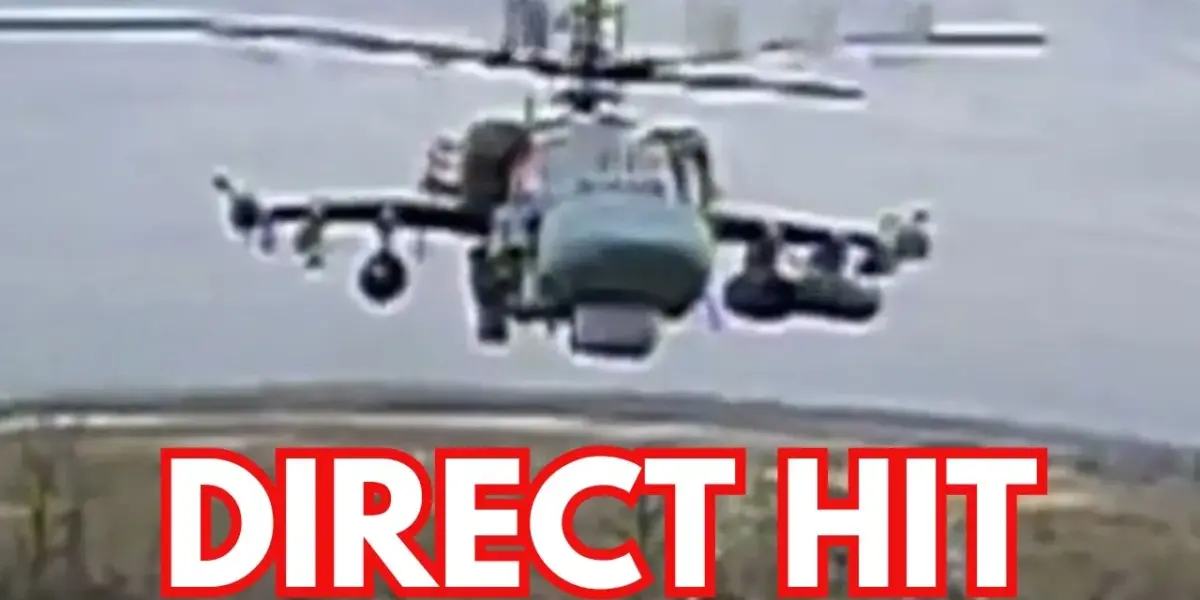
Ukraine has recently downed two Russian KA-52 attack helicopters using drones. These advanced aircraft strayed too close to the front lines, leading to their destruction. The incidents have sparked strong reactions from Russian military analysts, who view these events as a costly and unnecessary loss.
A New Drone Warfare Reality
Ukraine’s military released footage showing the precise targeting of the helicopters. One KA-52 was initially shot down by an FPV drone, a type of drone controlled by a pilot wearing goggles that provide a first-person view. When the crew attempted to escape, other drones finished the job. This was quickly followed by confirmation from Russian sources of a second KA-52 being downed by similar means within 24 hours.
The effectiveness of these drone attacks highlights a significant shift in aerial warfare. Russian military bloggers have voiced frustration, calling the tactic of flying helicopters so close to the front lines “useless stunts” and demanding an end to such operations. One analyst stated, “We’ve been writing for years that this is [expletive] and it needs to end, but those at the top always know best.”
Why Were Helicopters So Close?
A key question arising from these events is why Russian helicopters were operating so near the front lines. Reports suggest these KA-52s were attempting to use unguided rockets to suppress Ukrainian positions. This tactic, known as “firing from a climb,” involves helicopters gaining altitude and lobbing rockets in the general direction of enemy forces.
However, Russian analysts themselves have criticized this method. They argue that the accuracy of unguided rockets is poor, especially at longer ranges, and that this tactic became pointless as far back as 2022. They point out that helicopters like the KA-52 are effective against drones, a role that would be far more valuable than engaging in “pointless climbs” near enemy fire.
“The futility of launching unguided rockets from a climb became obvious back in 2022. The accuracy was terrible. Now it is completely pointless.”
The use of expensive and limited platforms like the KA-52 in such a high-risk, low-reward manner is seen by some as a sign of incompetence. The fact that they were brought down by relatively cheap drones further amplifies this criticism. Russian sources also noted that Ukrainian soldiers are often dug into fortified positions, like basements, making unguided rockets ineffective even if they hit their target.
Drone Warfare: A Global Trend
The incidents underscore a broader trend in modern warfare: the increasing dominance of drones. Both Ukraine and Russia have been using drones extensively for reconnaissance, attack, and defense. Ukraine has employed helicopters with door gunners and mounted weapons to shoot down Russian drones, a capability Russia has also utilized.
Globally, nations like the United States and Israel have also used drones to counter aerial threats. The proliferation of cheap, effective drones has forced militaries to rethink traditional tactics. The ability of Ukraine to consistently monitor the battlefield and deploy drones rapidly means that such attacks are not a matter of luck but a result of constant vigilance and targeted strikes.
A Symbol of Gratitude and Support
Amidst the ongoing conflict, a powerful personal message emerged from a Ukrainian battalion commander. Sergey, commander of the Saraphim Battalion, expressed deep gratitude for the support received from individuals, particularly Americans. He noted that while many Ukrainian soldiers initially wore American flags with pride, symbolizing solidarity from a powerful ally, this sentiment has been tested by fluctuating government support.
However, Sergey emphasizes that their effectiveness relies on the support of specific people, not just government policies. He stated that donations from individuals, like those supporting the “Car for Ukraine” campaign, transform the American flag into a symbol of “faith, trust, and deep gratitude.” These donations provide essential equipment, such as pickup trucks, which are vital for their operations.
“The American flag proudly adorns our armor, symbolizing protection and care by sincere friends of Ukraine in our righteous war for independence of Ukraine.”
He highlighted that without this grassroots support, the condition of his unit would be catastrophic. The delivery of a new Toyota Hilux, provided through these donations, was met with immense appreciation. This support, he explained, is not just about equipment; it’s about keeping his soldiers alive and showing that they are not alone in their fight for independence.
Why This Matters
The downing of Russian helicopters by Ukrainian drones demonstrates the evolving nature of warfare. It shows how cheaper, more agile technologies can neutralize expensive, traditional military assets. This incident highlights potential strategic missteps by Russia, such as deploying valuable aircraft in high-risk zones for questionable tactical gains.
Furthermore, the commander’s message underscores the profound impact of individual support in international conflicts. It illustrates how civilian contributions can directly influence the capabilities and morale of soldiers on the front lines. This grassroots backing, often transcending political divides, serves as a powerful reminder of global solidarity and its tangible effects.
Implications and Future Outlook
The increasing reliance on drones suggests a future where aerial dominance is less about fighter jets and more about swarms of unmanned vehicles. Both sides will likely continue to refine drone technology and anti-drone strategies. We can expect to see more innovative uses of drones for various military tasks, from reconnaissance to direct combat.
For Russia, these losses may force a re-evaluation of their air power deployment and tactics. The criticism from their own analysts suggests internal pressure to adapt to the new realities of the battlefield. For Ukraine, continued success with drones bolsters their defensive capabilities and demonstrates their ingenuity in countering a larger military force.
The human element, as expressed by the Ukrainian commander, remains critical. The connection between international supporters and soldiers on the ground fosters resilience and reinforces the stakes of the conflict. This personal dimension adds a layer of moral weight to the ongoing struggle and highlights the importance of continued, targeted aid.
Source: Bad Stretch For Russian Helicopters (YouTube)

Related Articles
Ukraine War Experts Train British Army in Drone Warfare
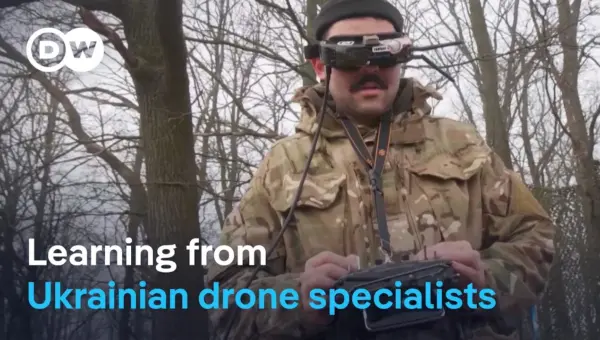
Ukrainian soldiers, masters of drone warfare, are sharing their battlefield expertise with the British Army in a secret training program. This exchange offers invaluable insights into the realities of modern conflict, particularly the extensive use of drones. The initiative also includes innovative uses of 3D printing for drone production.


Kremlin Shakes: Elite Discontent Fuels Putin’s Paranoia
Internal turmoil and paranoia are reportedly gripping the Kremlin as President Putin faces growing elite discontent and the realities of the Ukraine war. Meanwhile, Russia's strategic involvement in the Iran conflict highlights complex calculations and potential risks, even as a wider global war remains unlikely.

Ukraine Hits Russian Oil, Pentagon Eyes Aid Shift
Ukraine's strikes are crippling Russian oil exports, with 40% of capacity offline. Meanwhile, the Pentagon may shift air defense aid to the Middle East. Ukraine is countering by deepening ties with Saudi Arabia and other Gulf nations, leveraging its combat experience.