Drapes Over Diplomacy: Trump’s Priorities Under Fire
Donald Trump's focus on drapes and building aesthetics over the human cost of military action against Iran has drawn sharp criticism. The lack of a consistent narrative from his administration regarding foreign policy raises concerns about leadership priorities and accountability.


Trump’s Unsettling Focus: Drapes, Buildings, and the Cost of War
In a political landscape often dominated by urgent crises and complex geopolitical maneuvers, a recent moment captured on video has sparked considerable debate. The footage features Donald Trump seemingly more focused on the aesthetics of drapes and the future construction of a building than on the grave realities of international conflict. This juxtaposition, highlighting a fascination with decorative details amidst the backdrop of military action and potential loss of life, raises profound questions about leadership priorities and the communication of critical policy decisions.
The Spectacle of the Drapes
The video opens with Trump drawing attention to a set of drapes, describing the visual transformation that will occur when they are removed. He paints a picture of a “very, very deep hole” soon to be replaced by a “very, very beautiful building” within eighteen months. While the pursuit of development and progress is often a hallmark of political aspiration, the context in which this statement is made is jarring. It is presented as a moment of pride or perhaps a distraction, overshadowing more pressing matters.
A Troubling Comparison: Drapes vs. War
The commentary accompanying the footage immediately draws a stark contrast between Trump’s detailed explanation of his decor choices and the administration’s apparent lack of a coherent narrative regarding foreign policy, particularly concerning Iran. “This should be impeachment worthy,” one observer states, emphasizing the perceived severity of the disconnect. The criticism is not merely about taste or personal preference; it’s about what it signifies. The ability to articulate a vision for a building’s aesthetic, down to the drape, is contrasted with an inability or unwillingness to provide clear justification for engaging in military actions that have real-world consequences, including human casualties.
The Human Cost Ignored?
The analysis intensifies as it brings to light the human toll of recent events. The transcript explicitly mentions that “over 100 Iranian children died due to the United States and Israel striking Iran.” This is a significant and devastating statistic, highlighting the tragic outcomes of geopolitical tensions. The subsequent silence from Donald Trump on this matter is presented as a critical failure of leadership and empathy. The implication is that while the administration might be adept at managing optics or focusing on domestic projects, it falters when it comes to acknowledging and addressing the severe human cost of its foreign policy decisions.
Chaos and Lack of Narrative
The recurring theme throughout the commentary is the “chaos” and the absence of a “consistent narrative” from the administration. This suggests a leadership style that is unpredictable, reactive, and perhaps more concerned with projecting an image of strength or success than with establishing clear, justifiable policy frameworks. The lack of a coherent explanation for significant actions, such as military strikes, leaves the public and international observers in a state of uncertainty. This can erode trust and create a volatile environment, where decisions appear to be made without strategic foresight or a clear understanding of their implications.
Why This Matters
The significance of this episode lies in its illumination of a potential disconnect between the perceived priorities of leadership and the gravity of their responsibilities. When a leader appears more engaged with the superficial aspects of their surroundings or future projects than with the immediate, life-altering consequences of policy, it raises fundamental questions about judgment and accountability. The focus on drapes and buildings, while seemingly trivial, becomes a potent symbol of a broader concern: that the human element, the ethical considerations, and the strategic rationale behind decisions of war and peace are being sidelined in favor of a more curated, perhaps less substantive, public presentation. This can lead to a public perception of detachment, where the real-world impact of political decisions is not adequately acknowledged or addressed by those in power.
Historical Context and Trends
Throughout history, leaders have been scrutinized for their focus and communication. Periods of war have often seen intense public and media attention on a leader’s demeanor, their articulation of the conflict’s purpose, and their empathy for those affected. The contrast between a leader’s public statements on trivial matters and their silence on significant crises has historically been a source of criticism, often signaling a lack of gravitas or a misaligned set of priorities. In the contemporary era, with 24/7 news cycles and social media, such juxtapositions are amplified, making them potent tools for political commentary and critique. The trend towards “performance politics,” where image and messaging often take precedence over substantive policy, is further exacerbated by such incidents. Leaders are increasingly judged not only on their actions but on how those actions are perceived and communicated, making authenticity and clarity paramount.
Implications, Trends, and Future Outlook
The implications of this focus on aesthetics over substance are far-reaching. It suggests a political environment where optics can overshadow policy, and where the complexities of foreign relations are reduced to soundbites or visual spectacles. This trend can lead to a populace that is less informed about critical issues and more susceptible to superficial appeals. The future outlook, if this trend continues, points towards a leadership style that prioritizes immediate public perception over long-term strategic thinking and ethical considerations. It could foster a greater sense of cynicism among citizens and a diminished capacity for nuanced public discourse on complex global challenges. The demand for transparency and accountability in decision-making, especially concerning military engagements, will likely continue to grow, placing further pressure on leaders to provide clear narratives and demonstrate genuine concern for the human consequences of their policies. The ability of leaders to connect the grand visions of building and progress with the somber realities of conflict and loss will be a crucial test of their leadership in the years to come.
Source: Trump Brags About Drapes As Troops Die #politics #fyp #new (YouTube)

Related Articles

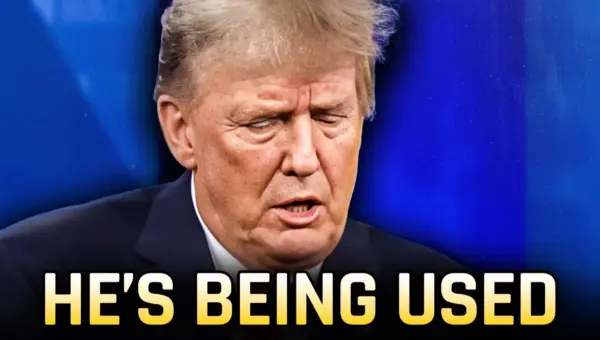
Trump: A Pawn in Middle East Power Plays?
A report suggests Donald Trump's administration was pushed into military action against Iran by Israeli and Saudi leaders. This analysis questions the autonomy of U.S. foreign policy and its susceptibility to external influence, painting a grim picture of potential long-term consequences.

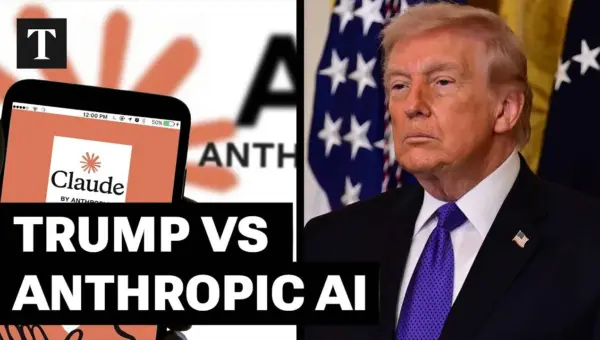
Trump Clashed With AI Firm Over Iran Attack Data
Reports indicate the US military used Anthropic's AI for Iran attacks, potentially violating company terms and Trump's objections. The controversy highlights AI's role in warfare and ethical debates.

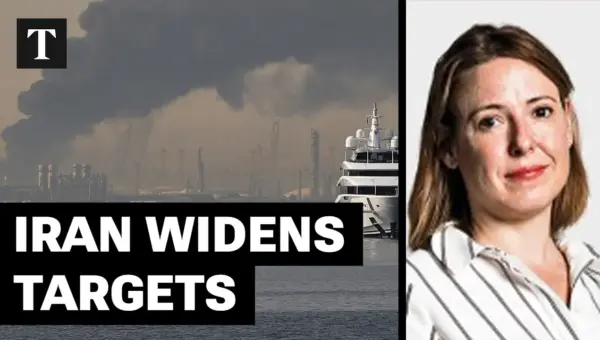
Iran Escalates Regional Attacks, Feeling ‘Nothing to Lose’
Iran is widening its regional attacks, driven by a "nothing to lose" mentality, according to Catherine Philp of The Times. The escalating conflict has seen Hezbollah engage in hostilities, drawing retaliatory strikes and increasing global oil prices. The U.S. and Israel are targeting Iranian leadership and military sites, while the response of Gulf nations remains a key uncertainty.