Draft Talk Resurfaces: Is Trump War Loosening Restraints?
The White House's statement that a military draft is "on the table" for potential actions in Iran has revived anxieties and sparked debate. This analysis explores the historical context, strategic implications, and societal impact of reconsidering conscription in the era of the all-volunteer force.

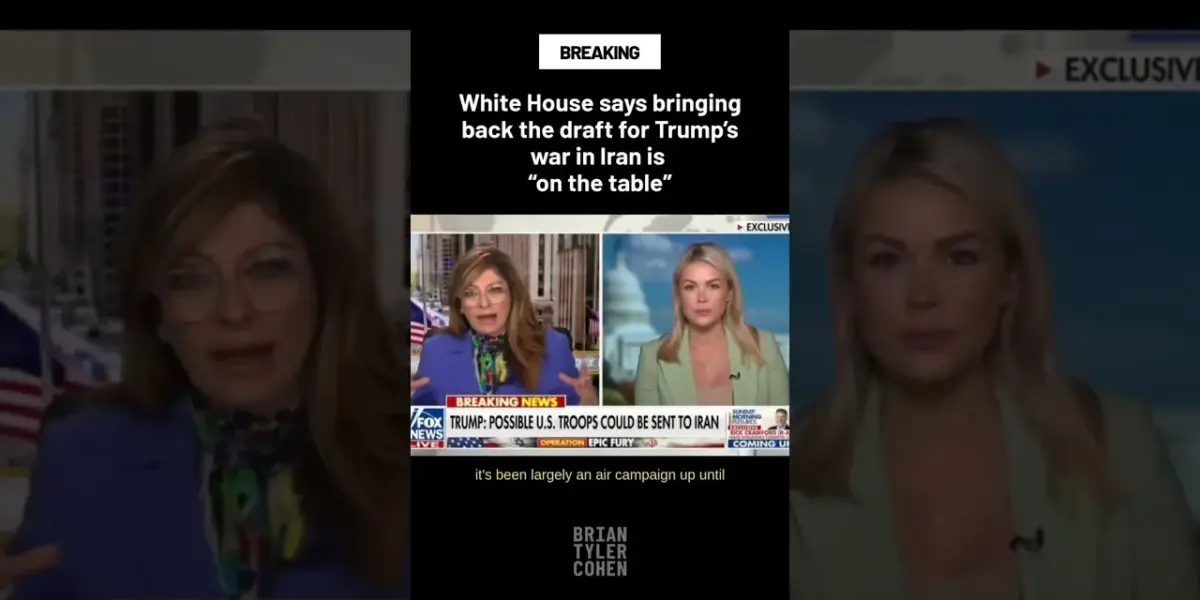
Draft Talk Resurfaces: Is Trump War Loosening Restraints?
The specter of a military draft, a policy dormant for decades, has re-entered public discourse, fueled by recent statements from the White House regarding potential military actions concerning Iran. While officials emphasize that a draft is not currently part of the plan, the mere mention of it being “on the table” has ignited anxieties among parents and sparked broader questions about the administration’s strategic calculus and its implications for American society.
An Unsettling Echo of the Past
For many Americans, the concept of a military draft evokes memories of the Vietnam War era, a period marked by widespread social upheaval, intense anti-war protests, and the profound personal impact of conscription on families across the nation. The all-volunteer force, established in 1973, has been a cornerstone of American military policy for nearly half a century, symbolizing a departure from mandatory service and a reliance on professional soldiers. The recent White House remarks, however, suggest a willingness to reconsider options that were once considered unthinkable in this new paradigm.
De-escalation or Escalation? The Strategic Ambiguity
The context for this discussion is the ongoing tension with Iran, which has largely been characterized by an air campaign. The administration’s stated position is that President Trump, as commander-in-chief, “wisely does not remove options off the table.” This approach, while presented as a sign of strategic flexibility and careful assessment of military operations, can also be interpreted as a signal of potential escalation. By keeping the possibility of a draft in reserve, the administration might be attempting to convey a resolute stance to adversaries, signaling a commitment to whatever means necessary to achieve objectives.
However, this ambiguity carries significant risks. It can breed uncertainty among allies and adversaries alike, potentially leading to miscalculations. Furthermore, for the public, it introduces a level of personal stake in potential conflicts that has been absent for a generation. The fear that sons and daughters could be compelled to serve in a distant war, especially one that has not garnered widespread public consensus, is a deeply unsettling prospect.
The All-Volunteer Force: A Different Kind of Sacrifice
The all-volunteer force has fundamentally altered the relationship between the military and the broader American populace. It has created a professional military, often composed of individuals from specific socioeconomic backgrounds, and has, for many, distanced the general public from the direct consequences of military engagement. While proponents argue that it ensures a highly trained and motivated fighting force, critics sometimes point to a disconnect between the military’s experiences and the experiences of the civilian population, potentially leading to a diminished public engagement with issues of war and peace.
The reintroduction of a draft, even as a theoretical option, challenges this established order. It would inevitably broaden the pool of potential service members, drawing individuals from all walks of life and socioeconomic strata. This could, in theory, foster a more shared sense of sacrifice and a greater public investment in foreign policy decisions. Conversely, it could also reignite the deep societal divisions and public opposition that characterized previous eras of conscription.
Why This Matters
The discussion around the draft is more than just a hypothetical exercise; it touches upon fundamental questions about the nature of military service, the responsibilities of citizenship, and the relationship between the government and its people in times of international tension.
- Public Accountability: A draft inherently increases the personal stakes for a wider segment of the population, potentially leading to greater public scrutiny and demand for accountability regarding military interventions.
- Societal Impact: The return of conscription would have profound social and economic impacts, affecting families, educational institutions, and the workforce.
- Strategic Signaling: The very discussion of a draft can be interpreted as a strong signal of intent, though its effectiveness and the message it sends are open to debate.
Implications, Trends, and Future Outlook
The current geopolitical climate, characterized by simmering conflicts and potential flashpoints like the one with Iran, necessitates careful consideration of all available tools. However, the White House’s phrasing suggests a willingness to explore options that could fundamentally alter the social contract surrounding military service. If tensions were to escalate significantly, and if air campaigns proved insufficient, the pressure to consider more robust ground forces would undoubtedly mount. In such a scenario, the “on the table” draft option would move from a theoretical discussion to a very real, and for many, terrifying, possibility.
The trend in recent decades has been towards smaller, more technologically advanced, and professional military forces. The idea of a mass conscript army seems antithetical to this trend. However, the nature of modern warfare, particularly in protracted or large-scale conflicts, might force a re-evaluation of these assumptions. The economic and social costs of maintaining a large volunteer force indefinitely, especially during prolonged periods of high operational tempo, are substantial. A draft could, in some strategic calculations, be seen as a means to share that burden more broadly.
Looking ahead, the debate over the draft is likely to remain on the fringes of public consciousness unless specific events necessitate a more urgent discussion. However, the fact that it has been brought into the conversation at all is a testament to the unpredictable nature of international relations and the enduring power of even the most dormant policy options to resurface when circumstances shift. It serves as a reminder that the decisions made in the corridors of power have tangible, and sometimes deeply personal, consequences for every American family.
Source: White House says bringing back the draft for Trump's war in Iran is "on the table" (YouTube)

Related Articles
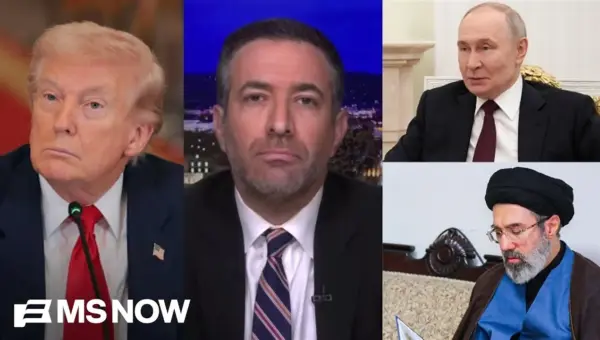
Trump Shifts Iran Stance Amid Oil Surge, Cites ‘Preemptive Doctrine’
President Trump defended his administration's actions in Iran, citing an "imminent threat" and a "preemptive doctrine." However, his justifications, including unsubstantiated claims about Iran's nuclear program, face scrutiny amid rising oil prices and global market jitters. Experts question the long-term implications and the precedent set by preemptive military action.
Trump Declares Iran War Over, Markets Rally Amidst Conflicting Signals
Donald Trump's declaration of the Iran conflict being "pretty much complete" has coincided with market rallies, but faces stark contradictions from within his own past administration and from international actors. The analysis delves into potential market manipulation, the implications of Trump's call with Putin, and the conflicting narratives surrounding the war's objectives and duration.


Norway Boosts Military Might With Women in Compulsory Service
Norway is strengthening its defense by fully integrating women into its compulsory military service. Young recruits like Kaya and Karen are embracing their roles, contributing to a more inclusive and ready armed forces, especially along the critical border with Russia.