Donald Trump’s White House Speech Sparks Controversy: Critics Decry ‘Rambling’ Election Claims and Perceived Disrespect to ‘Angel Families’
Former President Donald Trump's recent White House speech is drawing criticism for his persistent, unsubstantiated claims of a "rigged election" and his demeanor. Critics argue his rhetoric, especially when addressing "angel families," shows disrespect and undermines democratic trust.

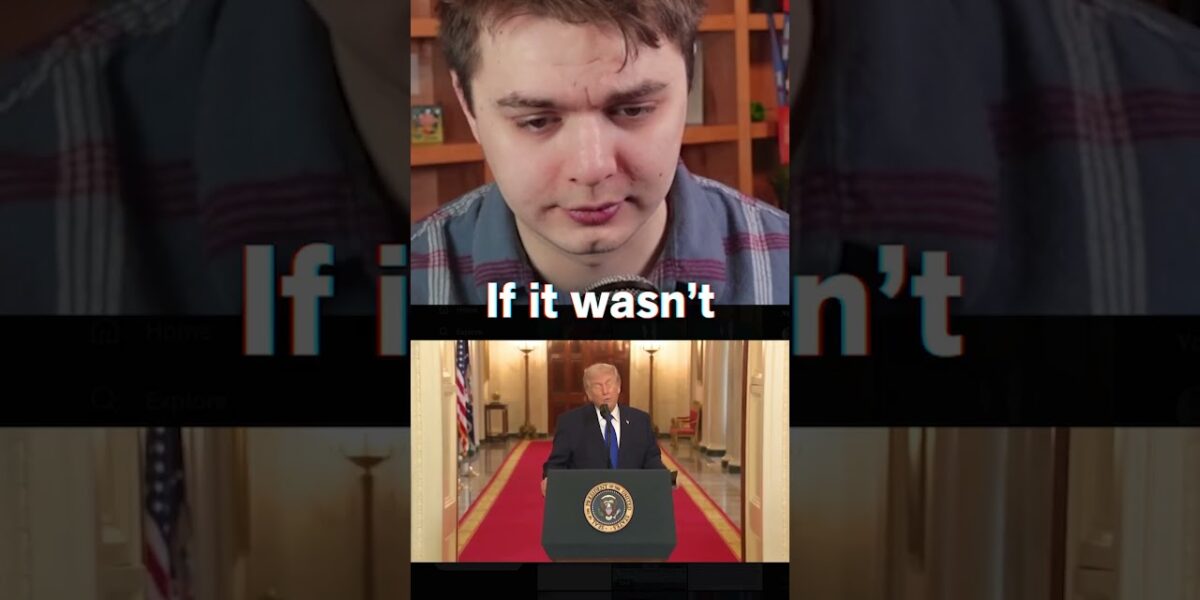
Trump’s White House Address Ignites Firestorm Over Election Claims and Conduct
A recent address delivered by former President Donald Trump at the White House has become the focal point of widespread criticism and debate, particularly concerning his persistent claims of a “rigged election” and his demeanor during the event. The speech, which concluded with footage of Trump appearing unsteady as he walked away from the podium, has drawn sharp rebukes from political opponents and commentators who argue that his continued focus on unsubstantiated election fraud allegations is not only factually inaccurate but also shows a disregard for the gravity of the moment and the audience he was addressing.
Persistent Election Narratives and the ‘Angel Families’
The core of the controversy stems from Trump’s reiteration of claims that the 2020 election was “rigged by millions and millions of votes.” This narrative, which has been a consistent theme in his post-presidency, was reportedly delivered during a segment of his speech that ostensibly acknowledged or addressed the “angel families” – a term often used to refer to families who have lost loved ones due to circumstances they attribute to illegal immigration or other perceived societal failures. Critics argue that diverting the focus to debunked election theories, especially when addressing grieving families, constitutes a profound lack of empathy and disrespect.
The assertion of a “rigged election” has been thoroughly litigated and debunked through numerous court cases, recounts, and investigations across the United States. Despite the lack of evidence presented and the consistent rulings by judges, including those appointed by Trump himself, the former president has continued to promote these claims. This persistence has led to accusations that he is undermining democratic institutions and sowing distrust in the electoral process. The repetition of these claims, years after the election, is seen by many as a sign of an inability to move past past grievances, or worse, a deliberate attempt to manipulate public opinion for political gain.
Concerns Over Trump’s Demeanor and Physical State
Adding to the controversy was the visual of Trump’s departure from the podium. Video clips circulating online depict the former president appearing to clutch the podium for support before walking towards a door, which some described as “locked.” This imagery has fueled speculation and concern about his physical and mental well-being. While his supporters often dismiss such observations as politically motivated attacks, critics interpret these moments as further evidence of a decline in his faculties, suggesting that his public appearances are becoming increasingly erratic and concerning.
The perception of Trump being “not well” or “rambling” has become a recurring theme in commentary surrounding his public statements. This latest incident, following his discourse on election integrity, has amplified these concerns. The juxtaposition of his alleged physical unsteadiness with his passionate, yet unsubstantiated, political rhetoric has created a narrative of a figure struggling to maintain composure and coherence, further eroding confidence among those already skeptical of his leadership capabilities.
The Broader Implications: Trust in Elections and Political Discourse
Donald Trump’s continued propagation of election fraud claims, despite overwhelming evidence to the contrary, has significant implications for the health of American democracy. The persistent questioning of election outcomes, particularly by a former president, can erode public trust in the very foundations of the electoral system. This can lead to decreased voter turnout, increased political polarization, and a general sense of cynicism towards governmental institutions.
The “angel families” context further highlights a disturbing trend in political discourse: the weaponization of grief and tragedy for political ends. By allegedly invoking the experiences of these families to bolster his own narrative, Trump may be exploiting their pain to score political points, rather than offering genuine solace or solutions. This tactic, if true, is ethically questionable and serves to deepen societal divisions rather than foster unity.
Lack of Evidence and Judicial Rejection of Claims
It is crucial to reiterate that the claims of widespread fraud in the 2020 election have been consistently rejected by the legal system. Numerous lawsuits filed by Trump and his allies were dismissed due to a lack of evidence. State and federal courts, including the Supreme Court, upheld the integrity of the election results. Election officials, both Republican and Democratic, have affirmed that the 2020 election was conducted fairly and securely. The absence of any credible evidence substantiating the claims of a “rigged election” renders Trump’s continued assertions baseless and potentially harmful to democratic norms.
The fact that Trump has been in power for a year since the election and that “they’ve illustrated no fraud because there wasn’t any,” as noted by critics, underscores the lack of substance behind his claims. This period should have been an opportunity to present evidence, but none has materialized in a manner that would alter the election outcome. The persistence of these claims, therefore, appears to be driven by factors other than factual evidence, such as political strategy or personal conviction, regardless of the factual basis.
Conclusion: A Pattern of Controversy
The recent White House address by Donald Trump has once again placed him at the center of a political storm. His continued insistence on debunked election fraud narratives, coupled with concerns about his physical and rhetorical delivery, has drawn widespread condemnation. The perceived disrespect towards the “angel families” and the broader implications for democratic trust underscore the ongoing challenges posed by Trump’s post-presidency activities. As these events unfold, the focus remains on the veracity of his claims and the impact of his rhetoric on the American political landscape.
Source: Trump Disrespects Angel Families With Rambling Election Rant #politics #fyp #new (YouTube)

Related Articles
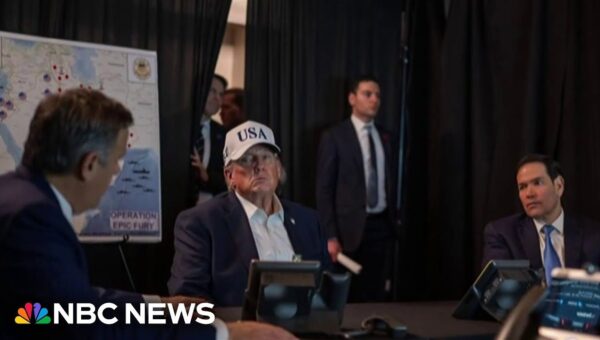
Trump: Iran Strikes Ahead of Schedule, Expects ‘Great Deal for World’
Three U.S. service members have been killed amid escalating conflict with Iran, President Trump confirmed. He stated that strikes are ahead of schedule, with senior Iranian leaders killed, and expressed optimism for a "great deal for the world" despite ongoing talks with Iranian officials.
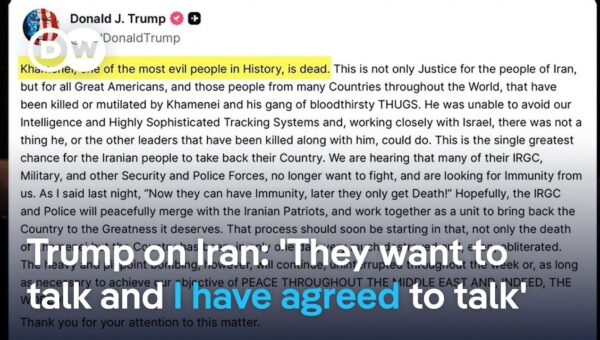
Trump Agrees to Talks with Iran After Major Strikes
President Donald Trump has agreed to talks with Iran's leadership following coordinated strikes that reportedly killed key figures, including the Supreme Leader. While Trump claims significant military successes, U.S. strategy remains unclear, and public opinion shows limited support for the actions amid rising American casualties.

Trump’s Putin Stance: US Strategy and Global Implications
Analysis suggests Donald Trump's approach to the Ukraine war involves pressuring Kyiv, but US involvement is crucial for resolution. China's influence and the 'MAGA' agenda's geopolitical implications are key factors.