Don Lemon Slams Trump’s War Rhetoric and Media Coverage
Don Lemon and "Clocket" hosts criticize Donald Trump's rhetoric on the Iran conflict and the "memeification" of war. They question his claims about Tomahawk missiles and highlight the economic impact on Americans, arguing that the administration trivializes the human cost of war.

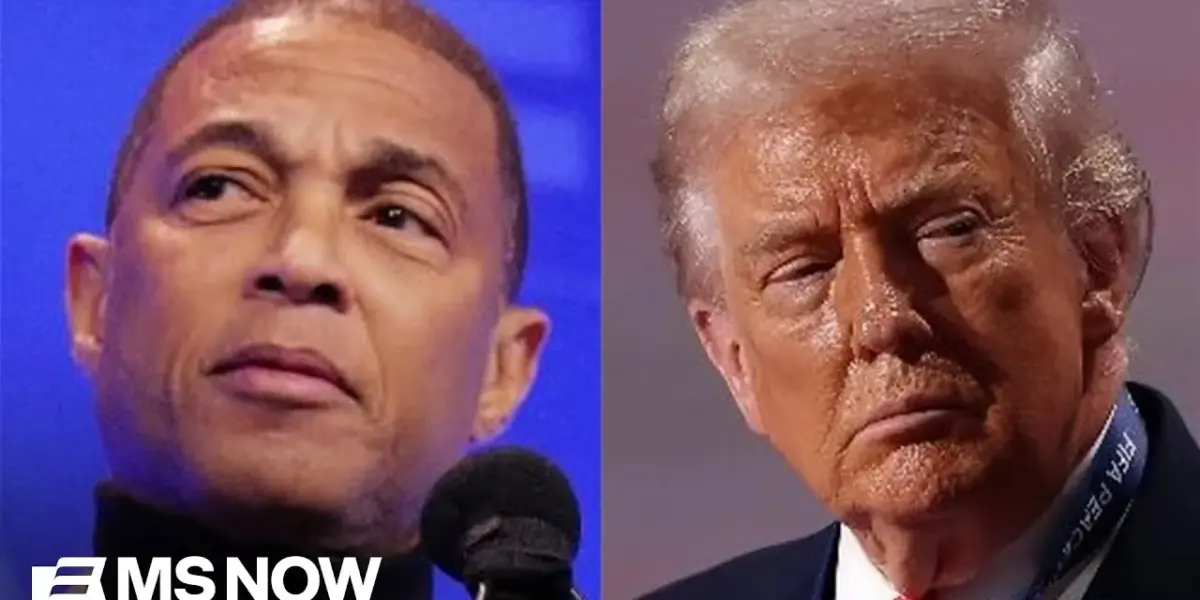
Don Lemon Criticizes Trump’s War Stance and Media’s Role
In a candid discussion, journalist Don Lemon has voiced strong criticism regarding former President Donald Trump’s rhetoric and the media’s handling of the ongoing conflict in the Middle East, particularly concerning Iran. Lemon, speaking on the “Clocket” podcast, expressed dismay over what he perceives as a trivialization of war by the Trump administration and its allies, contrasting it with the stark realities faced by service members and their families.
Questioning Trump’s Claims on Tomahawk Missiles
A central point of contention for Lemon and the “Clocket” hosts revolved around claims made by Donald Trump concerning the origin of missiles used in the conflict. Trump suggested that Iran might have obtained and used Tomahawk missiles, a possibility that Lemon and the podcast hosts found highly improbable and concerning. They highlighted that only a select few countries, including Japan and Australia, have been sold these advanced missiles by the United States. The implication of Iran possessing such weaponry, whether through secret sales or theft, would signify a significant security breach and a dangerous escalation.
“So this idea that anyone involved in what’s happening in Iran other than us has it,” Lemon stated, questioning the validity of such claims. He further elaborated on the exclusive nature of Tomahawk missile sales, emphasizing that “Japan and Australia are the only two other countries we’ve sold to Tomahawk missiles to.”
The ‘Memeification’ of War and its Human Cost
Lemon and the “Clocket” hosts decried the trend of what they termed the “memeification” of war, pointing to social media posts by the Pentagon and White House that they felt downplayed the severity of the conflict. A particularly egregious example cited was a video posted on X (formerly Twitter) that superimposed Call of Duty video game scoring over footage of actual strikes in Iran. The voice actor whose lines were used, and even the director of the film from which the clip was taken, Ben Stiller, publicly denounced the use of their work for what they called “propaganda” and “war porn.” Lemon shared personal anecdotes about growing up with parents in the military, underscoring the profound sacrifices made by service members and the emotional toll on their families.
“The memeification of war is in fact sickening,” Lemon asserted. “It is shocking to me. It is disgusting that when you know what it looks like to watch your friend find out that their parent is killed… to have the people that then send them to do it acting like it’s fun and it’s a video game.” He recounted the experience of seeing gold stars on a high school’s banner, signifying students who had lost parents serving the country, highlighting the stark contrast between such solemn realities and the flippant portrayal of war in official communications.
Criticism of Media Coverage and Trump’s Influence
The discussion also touched upon the media’s role in covering the conflict and the broader political landscape. Lemon, now an independent journalist, reflected on his past experiences, including being one of the first to publicly call out Donald Trump as racist during his tenure at CNN. He noted that while his previous statements were controversial, they appear prescient in retrospect.
The hosts and Lemon explored the political motivations behind Trump’s actions and rhetoric, particularly concerning potential interventions in Cuba and his administration’s approach to Iran. They suggested that Trump’s lack of a strong personal ideology makes him susceptible to the influence of advisors like Marco Rubio, who have more defined foreign policy stances. Lemon argued that Trump is often driven by a desire for flashy headlines and public excitement rather than substantive policy.
“Donald Trump does not have an ideology,” one host observed. “So if you are someone in this administration that has an ideology and you want Donald Trump to do something, it’s easier to convince him to do so because he himself, he doesn’t really care about policy, he cares about getting a flashy headline of getting people like really that get people excited.”
Economic Impact and Voter Disconnect
A significant portion of the conversation focused on the economic consequences of the conflict, particularly the rise in gas prices and airfare, and how it disproportionately affects average Americans. Lemon and the “Clocket” team argued that asking citizens to endure “short-term pain for long-term gain” is an insult, especially when many live paycheck to paycheck. They raised concerns that individuals and companies associated with Trump might be profiting from the ongoing conflict, further exacerbating the economic burden on the public.
The discussion highlighted a perceived disconnect between the administration’s actions and the economic realities faced by ordinary citizens. Lemon pointed out that while the wealthy might weather the economic storm, average Americans concerned about rent and fuel costs cannot afford prolonged periods of financial hardship. The rising cost of fuel was directly linked to increased prices for goods, as most items are transported via gas-dependent methods.
Broader Implications and Future Concerns
The conversation also delved into the political implications, with Lemon asserting that the solid MAGA base supporting Trump, while fervent, is smaller than often portrayed. He suggested that this base is driven by ideologies such as misogyny, racism, and white supremacy, rather than solely by economic concerns. This, he argued, makes it difficult to sway these voters, even when their financial interests are negatively impacted, as seen in past trade disputes.
The hosts and Lemon also touched upon the United Nations’ report of nearly 700,000 people displaced in Lebanon due to Israeli attacks on Hezbollah, adding another layer of tragedy to the regional instability. They expressed frustration with the lack of transparency from the government regarding the war’s objectives and consequences, particularly the deaths of U.S. service members.
Looking ahead, the discussion implies a need for greater accountability from political leaders regarding military actions and their human and economic costs. The criticism of “memeification” and the trivialization of war suggests a call for more somber and truthful reporting. The segment concluded with an anticipation of Don Lemon’s continued commentary on these critical issues.
Source: “Out of their rabbit ass minds!” Don Lemon SOUNDS OFF on Trump & critics (YouTube)

Related Articles

CPAC Crowd Cheers Impeachment, Stuns Trump Allies
At the recent CPAC conference in Texas, attendees surprised many by cheering for impeachment hearings, signaling potential divisions within the conservative base. The event also highlighted voter frustration over issues like ongoing wars and affordability, with some considering not voting.

Polls Spell Doom: Republicans Face Voter Backlash
New polling data reveals a sharp decline in public confidence regarding the economic impact of Republican policies, particularly under Donald Trump. A significant majority now feel financially worse off, a trend that is especially pronounced among independent voters. This economic discontent poses a major challenge for the Republican party heading into future elections.

Americans Rally for Democracy Amidst War and Economic Woes
Thousands of Americans are participating in "No Kings" rallies nationwide, demanding accountability from leaders and drawing parallels to historical movements that spurred significant change. The protests occur amidst a controversial war with Iran, economic uncertainty, and a partial government shutdown. Organizers emphasize solidarity, joy, and the power of collective action in defending democracy.