Domestic Violence Echoes: Two Women, Two Deadly Encounters
Two women, two harrowing accounts of violence and self-preservation. This article investigates the chilling testimonies of Amber Risswin and Ashley Benfield, exploring the escalating abuse, fatal confrontations, and the subsequent legal battles they faced. It delves into the complexities of domestic violence and the justice system's response.

Domestic Violence Echoes: Two Women, Two Deadly Encounters
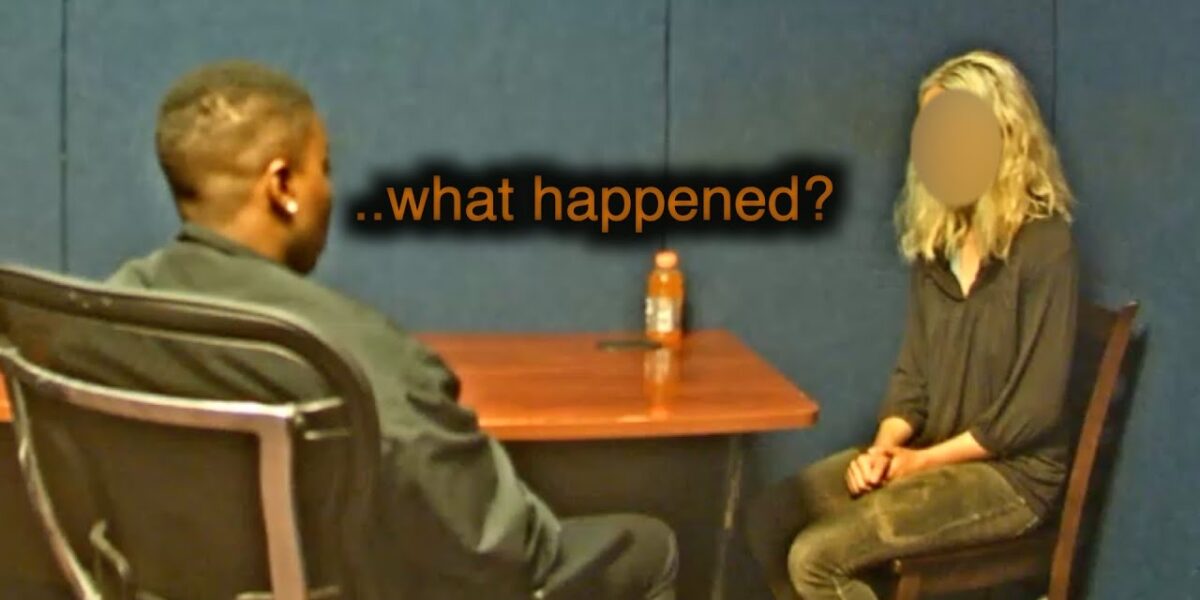
The sterile white walls of an interrogation room can become a crucible, forcing individuals to confront unimaginable acts. For 20-year-old Amber Risswin, the afternoon of her interview was the beginning of a stark realization: the events of the previous night had irrevocably altered her life. Her account, delivered with a shaky breath, painted a chilling picture of escalating abuse culminating in a fatal confrontation.
Amber Risswin’s Account: A Week of Terror
Amber described a tumultuous relationship with Blake, her partner, marked by increasing aggression since January. The transcript details a pattern of abusive statements, physical intimidation including being held and shaken, and acts of rage where Blake would break objects. The day before the shooting, he had spat in her face and scratched her guitar. The situation escalated dramatically when Blake purchased LSD, leading to erratic behavior. It was during this state that he began playing with a gun, eventually pointing it at Amber. In a moment of desperate self-preservation, Amber recounted grabbing the weapon, pushing his hand away, and firing it. She believes she shot him in the face, stating he was “smothering” her and within her reach. The violence did not end there. As Blake began to bleed and move, Amber claims he lunged at her again, prompting her to retrieve a knife from her pocket and stab him. He then fled the apartment, screaming for help. Amber’s narrative also includes an encounter with a responding guard, whom she claims was aggressive and threatened her, mistaking her for a prostitute.
“He was just there like in front of me. He was smothering me. I got you. And he started spilling blood everywhere and then he came up to like get me and then that’s when I caught him.”
Amber’s account of pursuing Blake outside, attempting to pull him back in to avoid a public scene, and the subsequent actions she took with the knife, particularly the alleged cutting of his throat, highlight the chaotic and violent aftermath. Her claims of feeling threatened by the guard and being misunderstood by responders add layers to the already complex narrative.
Ashley Benfield: A Marriage Soured by Abuse
In stark contrast, the case of Ashley Benfield presents a different trajectory of domestic conflict. Married for just 14 days to Doug Benfield, a man 30 years her senior, their shared venture, the American National Ballet, quickly failed. The subsequent co-parenting of their daughter became a source of intense tension. On September 27th, 2020, Doug arrived at Ashley’s mother’s home to help load moving items. According to Ashley, the situation devolved into an argument in their daughter’s bedroom, where Doug allegedly screamed obscenities at her and prevented her from leaving. Fearing for her safety, Ashley retreated to her room, retrieved a firearm, and confronted Doug as he stood in the doorway. She described his face as red, veins bulging, and eyes black, stating he threatened to kill her. Ashley claims she fired the weapon, hitting Doug in the leg and chest. She then sought help from neighbors and contacted her attorney.
During the investigation and subsequent trial, detectives found no evidence to support Ashley’s self-defense claim, noting the absence of a struggle. The prosecution highlighted instances of Doug’s controlling behavior, including criticism of Ashley’s appearance and actions, and his alleged attempts to flip a table and throw a chair. Despite Ashley’s assertion that she was living a “nightmare” during this period, she described the day of the shooting as “good” until the confrontation.
“He said ‘Shut the [expletive] up.’ Did you take any steps to try to avoid anything further? Yes. I I ran to try to leave the house.”
The legal proceedings revealed a complex picture of their relationship, including Ashley paying for Doug’s vasectomy reversal with the intention of starting a family, and Doug allegedly preventing her from working. The prosecution employed tactics described as “strategic insinuation” and “microaggression” to challenge Ashley’s testimony.
Legal Ramifications and Verdicts
Ashley Benfield was charged with second-degree murder and later found guilty of manslaughter. She was sentenced to 20 years in Florida State Prison, followed by 10 years of probation, with an earliest release date in December 2041.
Details regarding Amber Risswin’s legal outcome are not fully elaborated in the provided transcript, though the interrogation itself suggests a serious legal jeopardy. The transcript frames her interrogation as one where “Amber doesn’t quite realize how much trouble she’s in,” and notes the detective’s intent to use her statements against her.
Broader Implications: The Cycle of Violence
These two cases, though distinct in their outcomes, underscore the devastating impact of domestic violence and the complex legal battles that can follow. Both women describe a pattern of escalating abuse and fear for their lives. The legal system grapples with balancing the rights of the accused against the need for justice for victims, often navigating narratives where the lines between self-defense and retaliation can become blurred. The transcript also touches upon the influence of substance abuse in exacerbating violent situations, as seen in the brief mention of Aaron Moffett’s case, where drug use was a significant factor.
The cases highlight the critical importance of recognizing the signs of abusive relationships and the potential for violence. They also bring to light the challenges faced by law enforcement and the courts in piecing together events that occur in private, often relying heavily on the accounts of those involved and the physical evidence left behind. The differing legal outcomes for Amber and Ashley may reflect the specific evidence presented, the jury’s interpretation of events, and the legal strategies employed.
Source: Amber's Afternoon (YouTube)

Related Articles


Silent Warnings: When Ordinary People Foresee Disaster
Explore the chilling accounts of ordinary individuals whose warnings about impending crimes were tragically ignored. From financial fraud to mass violence, these stories highlight the critical importance of heeding early signs.

Cryptic Note, Impossible Fall: The Unsolved Death of Rey Rivera
Rey Rivera's death is shrouded in mystery, marked by a cryptic note, an impossible fall from a building, and a police investigation that hit insurmountable obstacles. The case remains officially unsolved, leaving more questions than answers.


Iran’s FM Claims ‘Full Control’ Amidst US-Israeli Strikes
Iran's Foreign Minister Abbas Araghchi claims "full control" amid alleged US-Israeli strikes, stating Iran retaliated in self-defense. He decried the timing of attacks during ongoing nuclear negotiations and rejected claims of seeking nuclear weapons or engaging in proxy warfare.