Dolores Huerta Discusses Past Trauma, Chavez Allegations
Dolores Huerta has spoken out about past trauma and her relationship with Caesar Chavez, revealing she is still processing difficult events from the UFW's early days. She expressed regret over not confronting Chavez directly and shared her journey of healing from past sexual assault, aiming to bring these issues to the forefront.

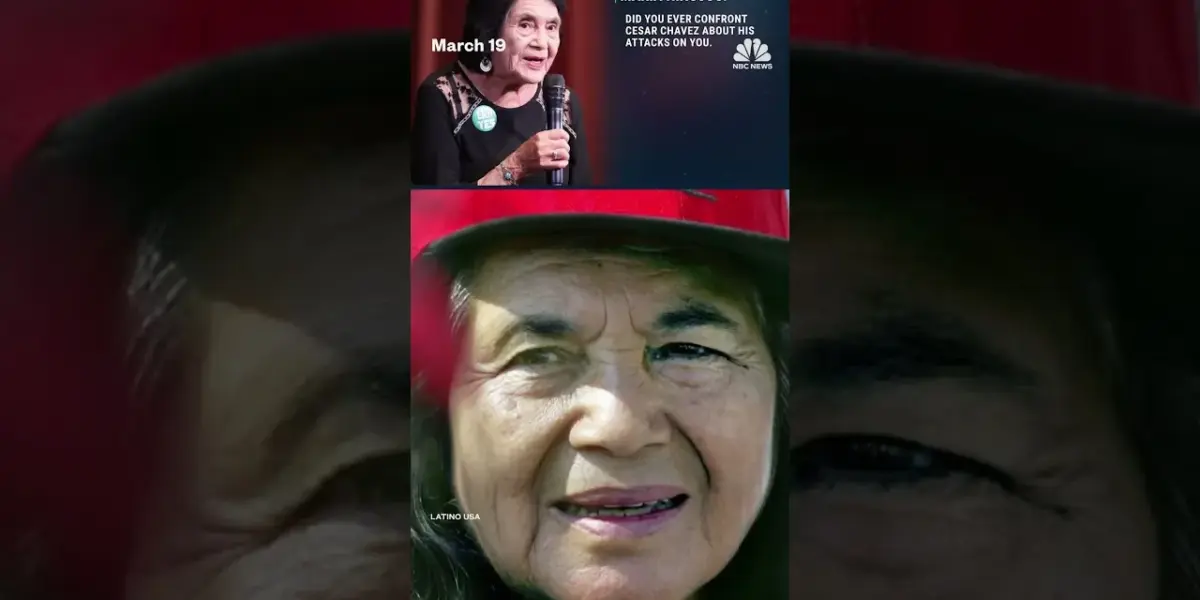
Dolores Huerta Speaks Out on Past Trauma, Caesar Chavez Allegations
In a recent interview, legendary labor leader Dolores Huerta has broken her silence on deeply personal and painful allegations concerning her past and her relationship with fellow activist Caesar Chavez. Huerta, a co-founder of the United Farm Workers (UFW), addressed claims that she was aware of or complicit in certain actions taken by Chavez, and for the first time, revealed the profound impact of past trauma on her life and activism.
Coming to Terms with the Past
The interview, which has sparked significant discussion, reveals that Huerta, like many others, is still processing the full extent of events that transpired during the UFW’s formative years. The transcript suggests that the harsh realities and difficult decisions made during that era were not fully understood by everyone involved at the time. Huerta herself expressed a state of shock, indicating that she was not aware of all of Chavez’s capabilities or the full impact of his actions.
“It wasn’t like she knew the extent of what Caesar Chavez was capable of doing. So everybody’s in a state of shock. She’s in a state of shock.”
This statement highlights a period of intense struggle and uncertainty for the UFW. Huerta’s acknowledgment of shock suggests a complex dynamic within the organization, where leaders may not have had complete knowledge of all internal dealings or decisions.
The Weight of Silence
A particularly poignant moment in the interview involves Huerta reflecting on her silence regarding certain events. When asked if her silence was worth it, she responded that the movement needed it to be. This revelation carries significant emotional weight, as she admitted that this answer “really hurts.” This suggests a deep personal cost associated with prioritizing the movement’s needs over personal confrontation or disclosure.
The question of whether she ever confronted Caesar Chavez directly about attacks made against her was also addressed. Huerta stated that she never did. She expressed regret over this, wondering if a confrontation might have prevented similar painful experiences for other women and girls in the future. This regret underscores the long-lasting impact of unresolved issues and the desire to protect others from harm.
Personal Healing and Public Advocacy
Huerta shared that it took her until about a decade ago to truly understand what happened to her when she was 16 years old. This realization came through years of therapy. She explained that survivors of rape often struggle with coming forward and do not want to identify themselves as victims. The words “I am a rape survivor” or “I have been raped” are incredibly difficult to say.
Huerta’s decision to speak about these deeply personal matters now is tied to her public role and her commitment to healing. She stated that she is speaking out because she is a public figure, has undergone therapy, and has a strong support system. She believes this is what she wants to do now: bring these issues to the forefront.
“She’s like, I I want to talk about this. Let’s make this an issue that is brought to the forefront.”
This desire to make her personal experience a public issue signifies a shift towards using her platform for broader advocacy. By discussing her trauma and the challenges of speaking out, Huerta aims to help other survivors and raise awareness about the complexities of sexual assault and its impact.
Broader Implications for Activism and Survivors
Huerta’s willingness to discuss her past trauma and the difficult choices she made during her activism offers a powerful look into the personal sacrifices often demanded by social movements. Her story highlights the intersection of personal healing and public advocacy, showing how individual journeys can inform and shape collective action.
For survivors of sexual assault, Huerta’s candidness provides a rare and potentially validating perspective. Her journey through therapy and her decision to speak publicly, despite the pain involved, can offer hope and encouragement to others who may be struggling in silence. The interview also implicitly raises questions about accountability within social movements and the often-hidden costs borne by individuals, particularly women, who dedicate their lives to a cause.
Looking Ahead
Dolores Huerta’s courageous decision to share her story marks a significant moment in her public life. Her stated intention to bring these issues to the forefront suggests that this conversation is far from over. As she continues to advocate, her personal narrative will likely serve as a powerful tool for raising awareness and fostering understanding around trauma, survival, and the complexities of social justice movements. The focus now shifts to how her words will inspire further dialogue and support for survivors.
Source: Dolores Huerta addresses allegations in new interview (YouTube)

Related Articles

Americans Rise Up: History Shows Protests Drive Change
History shows that significant societal change in America often begins with citizens demanding action, not government initiative. From factory safety laws after the Triangle Shirtwaist fire to civil rights legislation spurred by the March on Washington and environmental protections born from Earth Day, public outcry has been a powerful catalyst. As new protests emerge amid current political and economic challenges, the nation watches to see if this historical pattern of people power will once again drive meaningful change.


Jane Fonda Warns of ‘Existential Crisis’ Amid Protests
Jane Fonda has issued a stern warning about widespread attacks on the First Amendment, urging Americans to defend their freedoms. The veteran activist highlighted the growing number of large-scale protests as a sign of public concern and a crucial opportunity to address both democratic erosion and the climate crisis.


Nationwide Protests Build Resistance, Expand Movement
A nationwide protest movement, dubbed 'No Kings,' is focusing on grassroots organizing to build lasting resistance. The strategy aims to invite new people into the movement and connect them with local action, expanding its reach into diverse communities.