DOJ’s Retaliation Plot Against Rivals Hits Legal Roadblock
A federal judge blocked the Justice Department's investigation into Federal Reserve Chair Jerome Powell, citing low legal standards. This ruling is the latest setback for President Trump's alleged "retribution campaign" against his rivals. The judicial branch is increasingly acting as a check on these efforts.

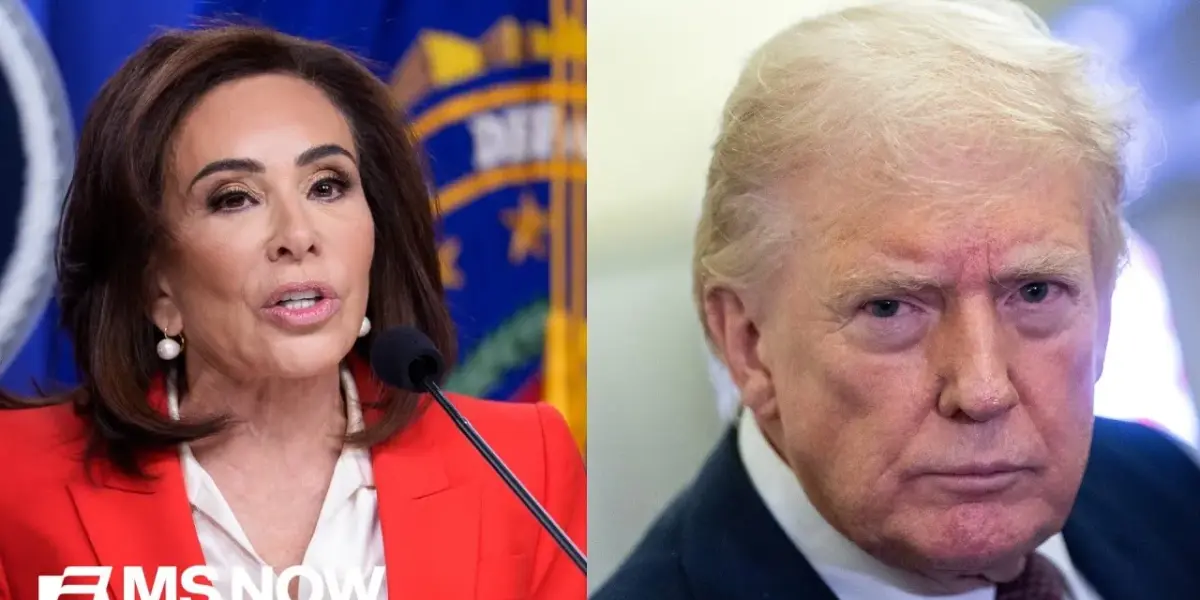
DOJ’s Attempts to Prosecute Trump’s Enemies Thwarted
The Justice Department’s effort to pursue criminal investigations against President Trump’s perceived rivals has faced a significant setback. A federal judge recently blocked a criminal investigation into Federal Reserve Chair Jerome Powell. The judge stated that the U.S. Attorney’s team had not met the required legal standard to proceed. This ruling highlights difficulties in Trump’s alleged “retribution campaign.”
Judge Cites Low Legal Standards for Prosecutors
U.S. District Judge James Boasberg ruled against the Justice Department’s request. He found that prosecutors had not met the “lowest of low standards” needed to issue subpoenas. These subpoenas are used to compel people to testify before a grand jury. The judge’s decision means prosecutors cannot use this basic investigative tool in the case against Powell. It’s like detectives being told they can’t even ask basic questions, according to reports.
Trump’s “Retribution Campaign” Faces Multiple Judicial Checks
The investigation into Jerome Powell is the latest in a series of legal challenges for Trump’s alleged retribution campaign. Earlier, indictments against former officials like James Comey and others were dismissed by judges. Grand juries also rejected cases against lawmakers Trump accused of sedition. These repeated failures suggest the judicial branch is acting as a check on these efforts.
“The judicial branch has moved on the criminal side… It’s put a stop to this campaign thus far.”
Investigative reporter Michael Schmidt noted the significance of these judicial actions. He explained that the desire to jail political enemies was a core part of Trump’s stated goals. However, the Justice Department’s attempts to carry this out have been consistently blocked. This is happening even at the earliest stages of investigations, like issuing subpoenas. Schmidt described the situation as the Justice Department being told, “You cannot get the Fed to answer basic questions.”
Judicial Branch Acts as a Bulwark
The courts have emerged as a key defense against Trump’s alleged agenda. While Congress and other branches have been criticized for not acting as checks, the judicial system has shown a different pattern. On the criminal side, judges have moved against Trump’s initiatives. This has slowed down the retribution campaign.
Schmidt pointed out that subpoenas are rarely thrown out. When they are, it’s usually for technical legal reasons. This case is different. It’s being halted because the government failed to meet a basic legal threshold for evidence. This suggests a fundamental weakness in the prosecution’s approach.
Broader Implications for Republican Party
The focus on these retribution efforts distracts from other pressing issues. Discussions about the war in Iran and rising gas prices are more immediate concerns for voters. Trying to sell actions like targeting Jerome Powell as beneficial to the public is difficult. It makes it harder for Republicans to connect with voters on issues that matter to their daily lives.
Targeting prominent figures like Powell crosses a line for many. It can even affect other political processes. For example, the confirmation of a nominee like Christopher Wray could be delayed. Senator Tillis might hold up the confirmation until assurances are given that the DOJ is not pursuing certain charges. This shows how these actions can have ripple effects.
Focus on Self vs. Party’s Fate
The article suggests a disconnect between President Trump’s priorities and those of his party. His focus appears to be on building his own legacy and addressing personal grievances. This is contrasted with the party’s need to address economic concerns and voter priorities. The fate of the party in upcoming elections may depend on its ability to address these broader issues.
Actions against state senators who defied his wishes on redistricting also point to a pattern. This pattern suggests a leader more focused on personal impulses than the party’s well-being. It raises questions about whether Republicans will recognize this disconnect before or after crucial elections.
What’s Next?
The ongoing legal battles surrounding the Justice Department’s investigations will continue to be closely watched. The ability of the judicial branch to act as a check on executive power remains a critical theme. How these legal challenges impact political strategies and public perception will be key in the coming months.
Source: Trump's retribution plot BLOCKED: DOJ fails to meet "lowest of low standards" (YouTube)

Related Articles
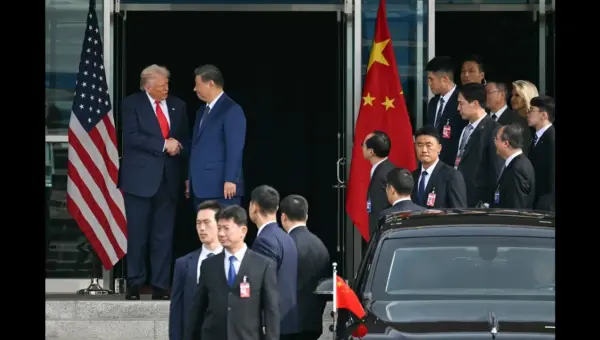
Trump’s “Walk Away” Tactic Signals Tougher Stance on China
Retired Air Force Brigadier General David Stillwell believes President Trump's strategy of being willing to walk away from negotiations puts pressure on China. This tactic, combined with US global actions and strengthened alliances, signals a more assertive American foreign policy.

Trump’s Inner Circle Shields Him From War Reality
President Trump reportedly receives heavily filtered updates on the conflict with Iran, focusing on successes while downplaying setbacks. This intentional information control aims to maintain his belief in a decisive victory, but raises concerns about his ability to make informed decisions.
MAGA Base Questions Trump’s Grip at Chaotic CPAC
A conservative gathering revealed surprising dissent within the MAGA base, with attendees booing impeachment. This, coupled with government shutdowns and electoral losses, signals potential shifts in the party's direction and priorities.