DOJ’s Epstein Document Redaction Fuels Cover-Up Accusations
The DOJ's decision to redact nearly 50,000 Epstein documents, including those with allegations against Donald Trump, has sparked accusations of a cover-up. Critics question the government's transparency and motives, especially given the timing and nature of the withheld information.

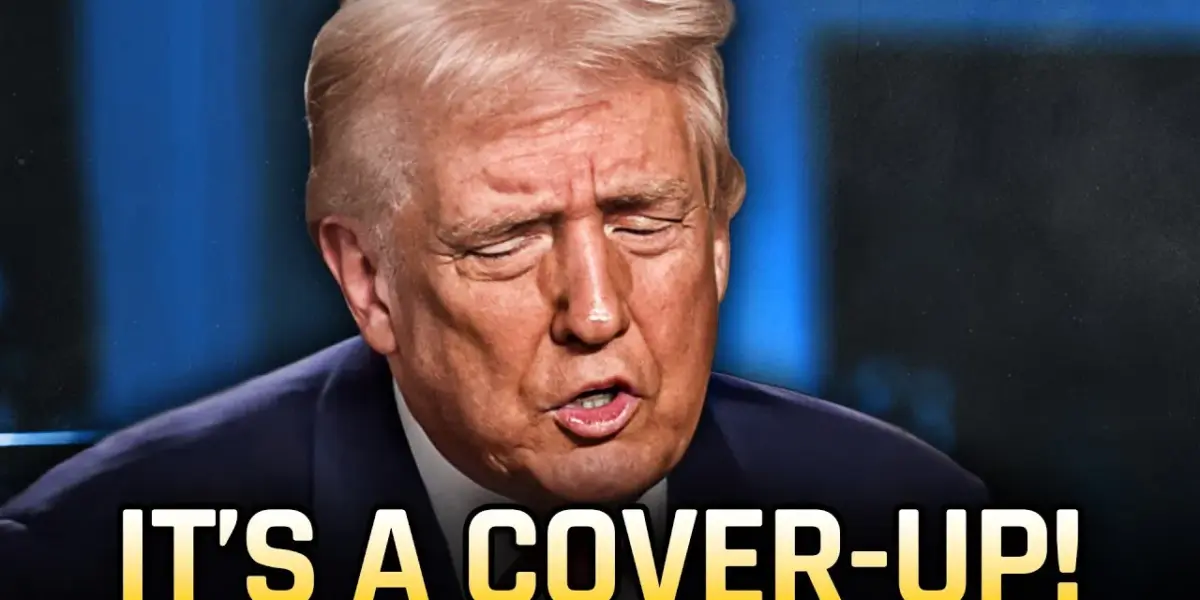
DOJ’s Epstein Document Redaction Fuels Cover-Up Accusations
The recent announcement by the United States Department of Justice (DOJ) that it is withholding nearly 50,000 documents related to Jeffrey Epstein has ignited a firestorm of controversy and renewed accusations of a cover-up. The DOJ revealed it has removed and is currently redacting 47,635 files, a significant portion of which were initially made public. This move has led many to question the government’s transparency and motives, particularly in light of specific allegations concerning Donald Trump found within some of these documents.
The Redaction Controversy
Initially, many of the Epstein-related documents were released to the public. However, the DOJ has now stated that these documents require further review and redaction. The administration’s justification for this pause is to go through and properly redact sensitive information. This explanation has been met with skepticism, especially since it was revealed that accusations against Donald Trump were among the documents that prompted this extensive redaction process.
These specific documents, first reported by Roger Sullenberger of The Daily Beast, detail allegations made by a witness who spoke with the FBI on four separate occasions in 2019. This witness reportedly made serious accusations against Donald Trump, including claims of involvement with minors and instances of physical violence. The timing of these revelations is particularly striking: Epstein was found dead in his jail cell just two days after this individual’s final interview with the FBI.
Questions of Credibility and Timing
The fact that the FBI engaged with this witness four times suggests a level of credibility attributed to her testimony. Critics argue that law enforcement agencies do not typically dedicate such resources to an individual providing unsubstantiated claims. The implication, some suggest, is that the FBI may have been gathering information to corroborate or understand the extent of the witness’s allegations, possibly in preparation for Epstein’s trial.
The subsequent death of Epstein before he could face trial has fueled a conspiratorial undercurrent. The narrative presented is one where a witness provides damning testimony, the FBI investigates, and then the key figure, Epstein, dies under suspicious circumstances, preventing a public airing of the allegations. The DOJ’s current action of redacting documents that contain these specific accusations against Trump, after they were initially made public, is being interpreted by some as an attempt to shield him from further scrutiny.
Allegations of a DOJ Cover-Up
The DOJ’s admission that they are specifically reviewing documents containing allegations against Donald Trump, while simultaneously labeling these accusations as “unfounded and false,” has been characterized by critics as a clear indication of a cover-up. The argument is that the government’s actions, rather than fostering transparency, appear designed to protect a prominent political figure.
The sequence of events—a credible witness coming forward, extensive FBI interviews, Epstein’s death, and now the DOJ redacting potentially damaging information—leads many to believe that the current administration is actively involved in suppressing the full truth. The sentiment expressed is that the DOJ is no longer attempting to hide its role in this perceived cover-up and is instead expecting the public to accept their actions or be distracted by other narratives.
Why This Matters
The implications of the DOJ’s actions extend far beyond the specifics of the Epstein case. They raise fundamental questions about the integrity of government institutions and the public’s right to information. When a government agency admits to redacting documents that contain serious allegations against a former president, especially after those documents were briefly public, it erodes trust. The perception that the DOJ is acting as a political shield rather than an impartial arbiter of justice is deeply concerning for the health of a democratic society.
Historical Context and Trends
The Epstein saga is not an isolated incident of alleged government malfeasance or cover-ups. Throughout history, there have been numerous instances where powerful individuals and institutions have been accused of manipulating information or obstructing justice to protect their interests or reputations. The release and subsequent redaction of these Epstein documents echo concerns raised in other high-profile cases where the public has questioned the transparency and impartiality of government investigations and disclosures.
The trend towards greater public access to government information, driven by freedom of information laws and investigative journalism, has often been met with resistance and attempts at obfuscation. The digital age, while enabling faster dissemination of information, also provides new avenues for control and redaction. The current situation with the Epstein documents highlights the ongoing tension between the public’s right to know and the government’s capacity to control the narrative.
Future Outlook
The future outlook for transparency in cases like this remains uncertain. The DOJ’s current stance suggests a continued effort to manage the release of information, prioritizing what they deem appropriate for public consumption. However, the intense scrutiny and public outcry generated by these redactions may force a re-evaluation. Investigative journalists, legal advocates, and the public will likely continue to push for the full disclosure of these documents, demanding accountability and a complete understanding of the events surrounding Epstein’s life, death, and the network he operated within.
The outcome of this situation could set a precedent for how sensitive documents are handled in the future, particularly when they involve allegations against high-profile political figures. Whether this leads to greater transparency or reinforces existing patterns of selective disclosure will be a critical development to watch.
Source: They’re Hiding THOUSANDS Of Epstein Docs (YouTube)

Related Articles

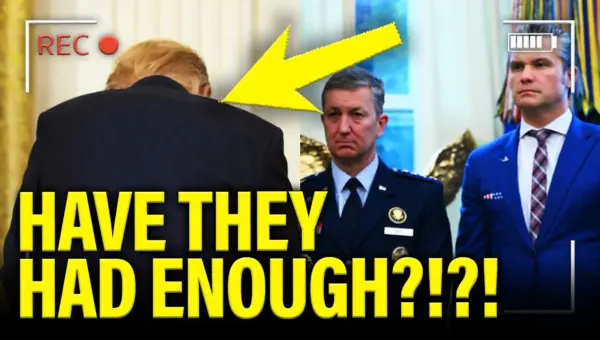
Military Brass Resists Trump’s War Push on Iran
Reports reveal internal dissent from military leaders urging caution against a full-scale attack on Iran. The administration's shifting justifications and perceived disregard for expert advice raise serious questions about strategic clarity and public trust.
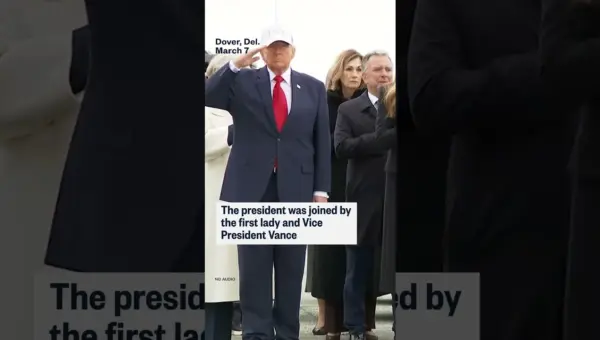
Trump Honors Fallen Soldiers in Dignified Transfer Ceremony
President Donald Trump attended a dignified transfer of remains ceremony to honor six U.S. troops killed in the recent Iran conflict. The solemn event underscores the human cost of escalating geopolitical tensions in the Middle East. The nation mourns the loss of its service members as the administration faces scrutiny over regional strategy.

Trump’s Iran War Stance Splits MAGA Base Ahead of Midterms
President Trump's decision to escalate military action in Iran has ignited backlash from his MAGA base, challenging his leadership and campaign promises. Critics cite a perceived betrayal of anti-war sentiment and inconsistent messaging, compounded by domestic economic woes, as the conflict's fallout threatens to impact upcoming midterm elections.