DOJ Launches New Unit to Fight Soaring Fraud Crisis
The Justice Department has launched a new National Fraud Enforcement Division to combat a surge in fraud cases across the U.S. The unit will focus on healthcare, tax, benefits, and corporate fraud, adding 93 prosecutors nationwide. This initiative follows major enforcement actions totaling over $500 million in alleged fraud.

DOJ Launches New Unit to Fight Soaring Fraud Crisis
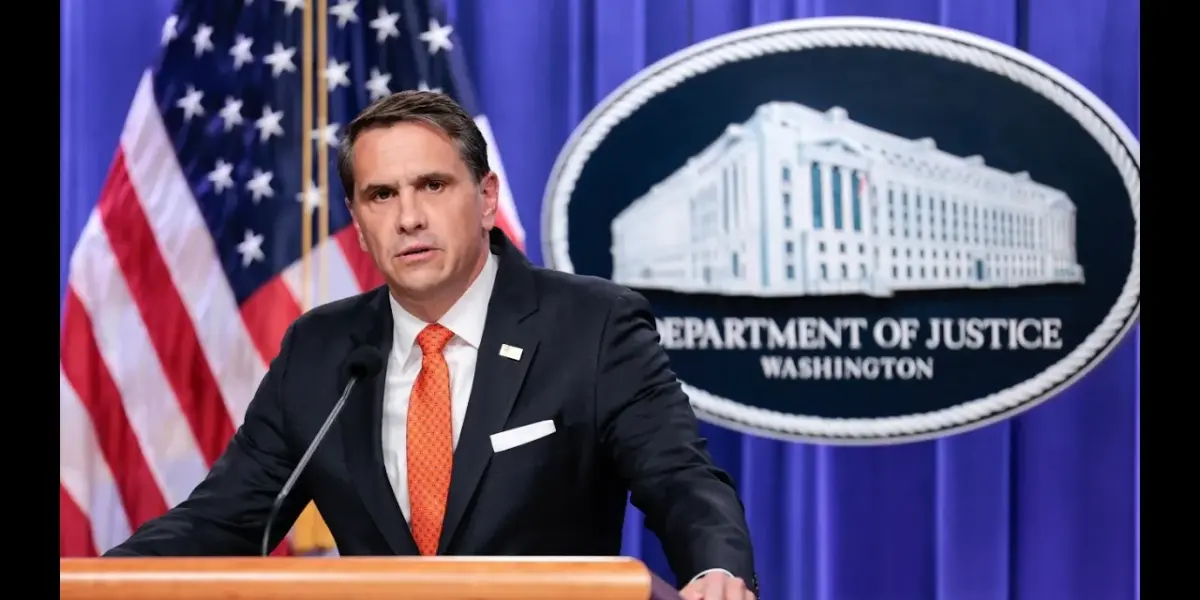
The Justice Department is stepping up its fight against fraud. A new division, the National Fraud Enforcement Division, has been created to tackle a growing problem across the United States. Acting Attorney General Todd Blanch announced the initiative, highlighting its mission to go after those who steal from taxpayers and cheat Americans.
A Growing Problem Demands Action
Fraud cases are on the rise nationwide. Blanch stated that U.S. attorney’s offices currently have over 8,000 fraud cases in progress. He stressed that this number is only a part of the total fraud happening every day. This surge in criminal activity made the creation of a dedicated division necessary.
What the New Division Will Do
The National Fraud Enforcement Division aims to bring together experienced prosecutors and specialists. Their focus will be on key areas like healthcare fraud, tax fraud, benefits fraud, and corporate fraud. This unit was established during former Attorney General Pam Bondi’s time. The plan is to expand this effort to every U.S. attorney’s office across the country.
As part of this expansion, 93 more prosecutors will be added to districts nationwide. These individuals will focus specifically on fighting fraud. This move shows a strong commitment to protecting public funds and ordinary citizens.
Major Enforcement Actions Underway
The announcement of the new division comes with news of significant enforcement actions. The Justice Department has already taken action on cases involving more than half a billion dollars in alleged fraud. These cases are linked to programs funded by taxpayers.
One example involves an insurance company accused of tricking vulnerable people. They allegedly enrolled them in fake health plans, collecting over $141 million in payments they weren’t entitled to. In another case, a man in California admitted to submitting almost $270 million in fake Medicaid claims. These claims were for medicines that patients didn’t need and sometimes never received.
Additionally, a business owner in Nevada was sentenced to prison. Their crime involved a tax scheme that tried to get nearly $100 million in COVID-19 related tax credits. These actions demonstrate the department’s serious approach to prosecuting fraud.
A Warning to Those Who Defraud
Acting Attorney General Blanch issued a clear warning to anyone considering defrauding the nation. He said that the Justice Department will investigate, charge, and punish those who steal from Americans. This strong message is meant to deter future criminal activity.
“To the fraudsters who seek to take advantage of our nation, let this be a warning. The department will investigate you. We will charge you with crimes and we will ensure that you are punished for your actions.”
— Acting Attorney General Todd Blanch
Broader Context and Recent Events
This new task force is part of a wider effort by the Trump administration to combat fraud. It follows high-profile allegations of fraud in places like Los Angeles and Minnesota. The issue became particularly prominent when Minnesota Governor Tim Walz faced scrutiny over a daycare fraud scheme, which impacted his bid for re-election.
Why This Matters
The creation of the National Fraud Enforcement Division is a significant step in addressing a growing problem. With thousands of fraud cases already active and billions of dollars at stake, a concentrated effort is crucial. This division signals that the Justice Department is prioritizing the recovery of stolen funds and the prosecution of those responsible. It also aims to restore public trust in government programs and financial systems. Protecting taxpayer money and vulnerable individuals from exploitation is essential for the nation’s economic health and integrity.
Implications and Future Outlook
The expansion of fraud enforcement is likely to lead to more investigations and prosecutions. This could deter potential fraudsters and encourage more reporting of suspicious activities. As the division becomes fully operational, we can expect to see more coordinated efforts and successful cases. The long-term impact will depend on sustained funding, resources, and political will. However, the clear message is that fraud will be met with serious consequences.
Source: Acting Attorney General Says DOJ Now Targeting ‘Fraud Crisis’ Across US (YouTube)

Related Articles


$500M Fraud Nabbed; DOJ Probes 8,000 Cases
The Justice Department has recovered over $500 million from fraud schemes and has 8,000 investigations ongoing. Meanwhile, allegations of sexual misconduct have surfaced against California gubernatorial candidate Eric Swalwell.


China’s Shadow Drones Test US Defenses
Sophisticated drones are being spotted near U.S. military bases, raising national security alarms. Experts believe China is behind these activities, using them to test defenses and gather intelligence as part of an "unrestricted warfare" strategy. Individuals are urged to educate themselves and reduce reliance on Chinese goods to counter this threat.

Spy Drones Test US Bases, Exposing Defense Weaknesses
Mysterious drones are being spotted near US military bases, acting in ways that suggest they are testing security protocols. Experts warn that inexpensive drone swarms could shut down air bases, exposing serious defense gaps. The rise in activity follows restrictions on Chinese surveillance cameras, raising concerns about foreign spying and the need for updated defenses.