DOJ Faces Bar Backlash: New Rule Sparks Ethical Firestorm
A proposed DOJ rule to preempt state bar investigations into federal attorneys is sparking outrage. Critics fear it shields misconduct and undermines the rule of law, raising concerns about the DOJ's integrity and the future of legal accountability.

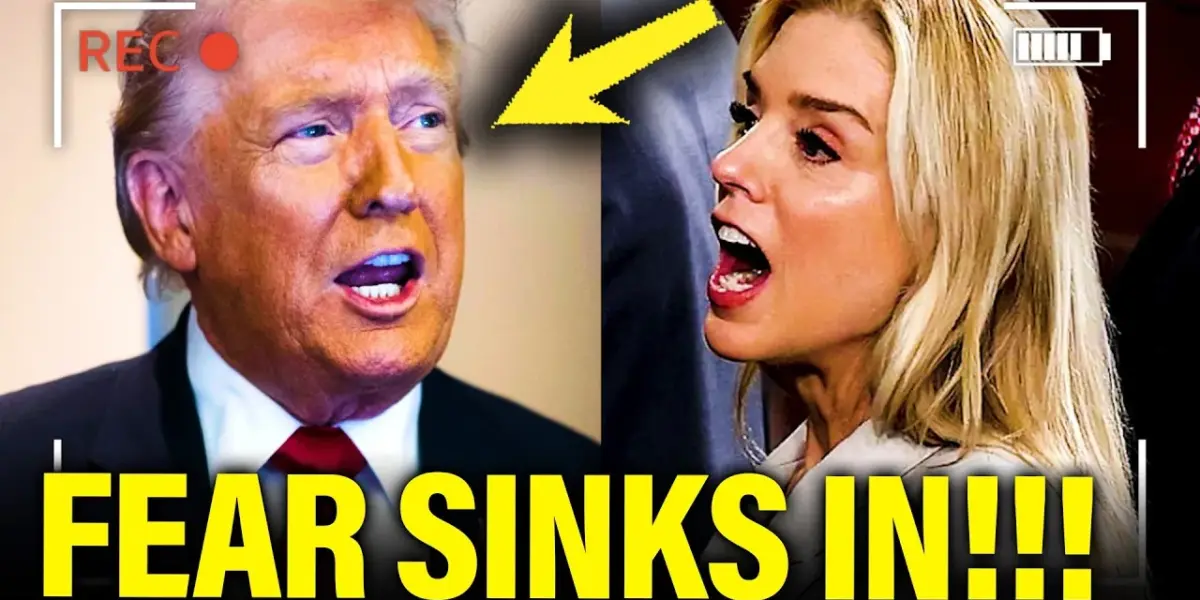
DOJ Faces Bar Backlash: New Rule Sparks Ethical Firestorm
A controversial proposed rule from the Department of Justice (DOJ), spearheaded by figures like Pam Bondi, is igniting a firestorm among state bar associations. The rule, which would allow the DOJ to preemptively investigate its own lawyers for ethical violations and indefinitely block state bar investigations, is being decried as a blatant attempt to shield federal attorneys from accountability. Critics argue this move represents a “wolf regulating the chicken house,” where the DOJ seeks to police itself, undermining the traditional role of state bars in maintaining professional conduct.
The Erosion of Trust in the Department of Justice
The DOJ, once a bastion of integrity and a premier destination for top legal talent, has reportedly seen a significant exodus of experienced personnel. Estimates suggest thousands of lawyers have resigned or been pushed out, leading to the gutting of key divisions such as civil rights, antitrust, and criminal enforcement. This depletion of talent has allegedly resulted in a decline in the quality of legal work, with instances of missed deadlines, misrepresentations to courts, and a disturbing disregard for constitutional rights, including the failure to comply with judicial orders for habeas corpus petitions. In some extreme cases, DOJ lawyers have reportedly expressed a desire to be held in contempt, highlighting the immense pressure and alleged ethical compromises they face.
Historical Context: The Pillars of Legal Ethics
The proposed DOJ rule directly challenges the established federalist system of legal regulation in the United States. Historically, lawyers are licensed by individual states, not the federal government. This state-level licensing is overseen by bar associations or state supreme courts, which are responsible for upholding professional conduct and can revoke a lawyer’s license for ethical breaches. Federal courts, while having their own rules of practice, rely on these state licenses as a prerequisite for attorneys to practice. The very term “bar” originates from the physical barrier in old English courts, separating licensed attorneys from the public, signifying their unique role as officers of the court. Judges, in their capacity as overseers of court proceedings, have the authority to refer attorneys for ethical violations, a crucial mechanism for ensuring candor and adherence to the law.
The Trump Administration’s Legal Legacy and the Proposed Rule
The current controversy is deeply rooted in the legal challenges and ethical questions that arose during the first Trump administration. Many lawyers who represented Donald Trump or worked within his administration faced sanctions, disbarment, or even criminal indictments for their actions, particularly concerning efforts to overturn the 2020 election results. Attorneys like Rudy Giuliani, Jenna Ellis, and John Eastman are cited as examples of legal professionals who faced significant professional repercussions. The proposed DOJ rule appears to be a direct response to this, aiming to prevent a recurrence of such accountability for federal lawyers moving forward.
The proposed rule, published in the Federal Register, suggests that state bars should defer to DOJ-led investigations, which can be conducted indefinitely. This effectively creates a scenario where the DOJ can shield its attorneys from external scrutiny by initiating its own, potentially protracted, internal reviews. This approach is seen by many as a circumvention of the 10th Amendment, which reserves powers not delegated to the federal government to the states, including the regulation of professional licenses.
State Bar Opposition and the Future Outlook
State bar associations across the country are reportedly mobilizing to oppose this rule, viewing it as an infringement on their long-standing authority. They argue that professional regulation and self-policing are inherent rights reserved to the states. The proposed rule is expected to face significant legal and political challenges, as state bars assert their jurisdiction to discipline attorneys licensed within their borders.
Beyond the immediate regulatory battle, the situation highlights a broader concern about the politicization of the DOJ and the erosion of its institutional integrity. The transcript references instances where judges have publicly praised the exemplary conduct of Assistant U.S. Attorneys, contrasting it with the alleged defiance and misconduct of others. This underscores a growing divide within the legal profession and public perception regarding the ethical standards of federal legal practitioners.
Why This Matters
The proposed DOJ rule is not merely a bureaucratic maneuver; it strikes at the heart of legal accountability and the rule of law. If successful, it could create a class of federal attorneys largely immune to the ethical standards that govern the rest of the legal profession. This would not only undermine public trust in the justice system but also potentially embolden misconduct within the DOJ. The fight over this rule is a critical defense of the principles of federalism and the checks and balances designed to ensure that all branches of government, including law enforcement agencies, operate within ethical and legal boundaries. The potential for statutes of limitation on certain offenses to expire before federal investigations conclude also raises concerns about justice being delayed or denied.
Implications, Trends, and Future Outlook
The implications of this proposed rule are far-reaching. It signals a potential shift in how federal attorneys are held accountable, favoring internal oversight over external regulation. This trend, if it continues, could further erode public confidence in the DOJ. The ensuing legal battles are likely to be complex, pitting federal preemption arguments against the established rights of states to regulate professions within their borders. The outcome will have significant consequences for the future of legal ethics enforcement and the perceived integrity of the Department of Justice.
The transcript also touches upon a broader societal concern: the perception of declining moral and ethical standards in public life. The commentary draws parallels between the alleged actions within the DOJ and broader critiques of governmental overreach and a perceived disregard for democratic norms. The reference to an international perspective, highlighting the shock and concern of observing the U.S. exercise power without reflection or moral restraint, underscores the global implications of these domestic developments.
Ultimately, the debate over this proposed rule is a microcosm of larger tensions surrounding the balance of power between federal and state authorities, the definition of ethical conduct in public service, and the enduring importance of accountability in a democratic society. The legal community and the public will be closely watching as this confrontation unfolds.
Source: Trump AG suddenly TERRIFIED of LOSING LICENSE?! (YouTube)

Related Articles
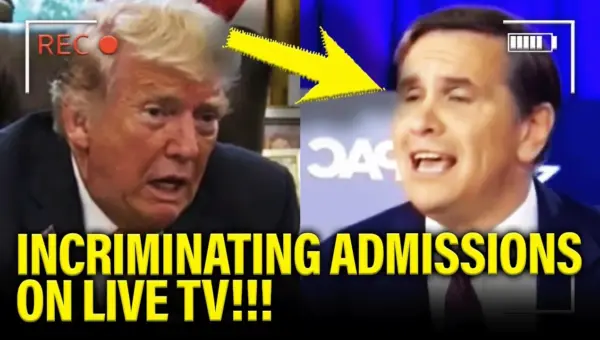
DOJ Official’s Remarks Spark Outrage Over Political Allegations
A top Trump DOJ official's speech at CPAC has sparked controversy, with claims of incriminating admissions regarding fears of prosecution and alleged political motivations. The remarks have raised serious questions about impartiality within the Department of Justice.

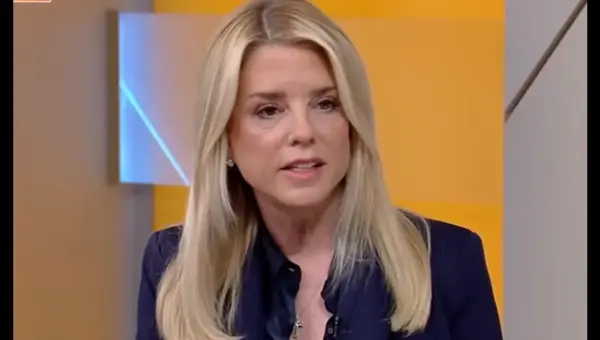
Bondi’s Citizenship Claim Stirs Debate on American Identity
Pam Bondi's assertion that U.S. citizenship is a "privilege, not a right" has ignited a significant debate, challenging the established understanding of the 14th Amendment. This statement reflects broader concerns about who defines American identity and raises questions about the direction of national values and governance.
DOJ Pays Millions to Ally: Is This Legal?
A $1.2 million payout from the DOJ to Mike Flynn, a former Trump ally, has sparked outrage and questions about legality and oversight. Critics fear a pattern of "grift and corruption," while calls for accountability echo historical precedents.