DOJ Cracks Down on $1 Trillion Fraud Spree
The Justice Department is intensifying its efforts to combat fraud in government programs, targeting an estimated $1 trillion in misused funds. Recent cases highlight significant losses in areas like insurance and Medicaid, fueling public anger over wasteful spending. This crackdown signals a push for greater fiscal accountability.

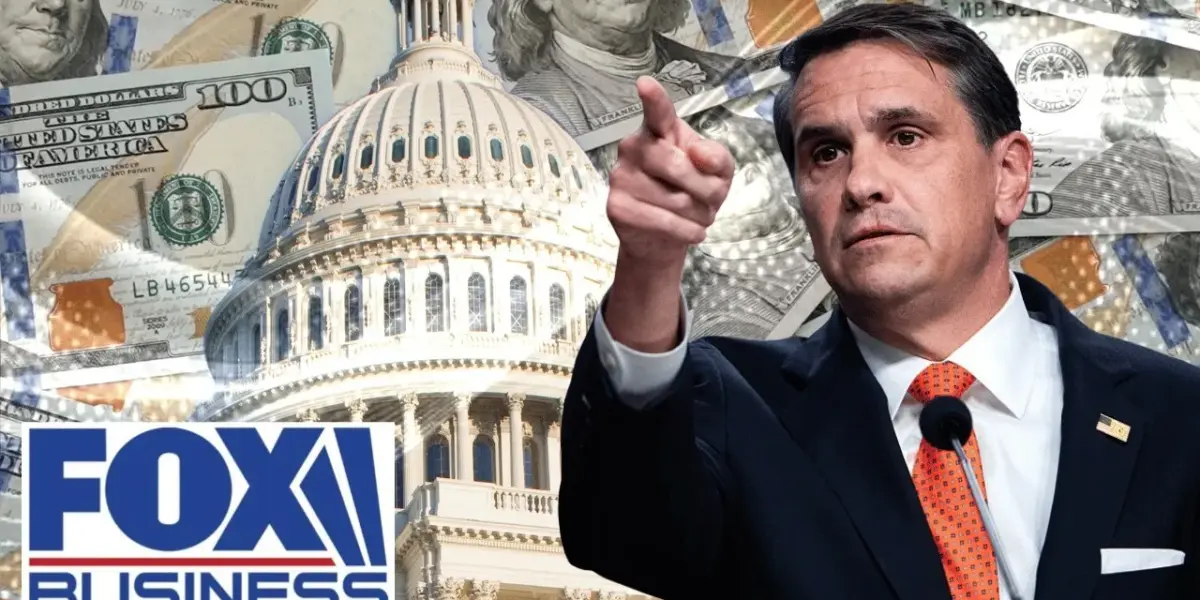
Justice Department Targets Massive Government Program Fraud
The U.S. Justice Department is launching an aggressive crackdown on fraud within government programs, targeting potentially $1 trillion in misused taxpayer money. Acting Attorney General Todd Blanche announced the initiative, signaling a new era of enforcement aimed at recovering funds lost to fraudulent activities. This push comes as federal spending continues to grow, making oversight and accountability more critical than ever.
South Florida Broker Faces Charges
One example of the fraud being investigated involves a South Florida insurance brokerage. The company pleaded guilty to orchestrating a scheme that defrauded government programs of over $60 million. This case highlights the significant financial losses incurred when individuals exploit government systems for personal gain.
California Medicaid Program Targeted
In California, a separate case revealed a scheme involving fraudulent claims against the state’s Medicaid program. An individual pleaded guilty to defrauding the program of $270 million. Such actions directly impact essential services meant for vulnerable populations, diverting much-needed resources.
Public Outrage Over Government Waste
A recent Fox News poll shows that public concern over government spending is high. In 2025, 57 percent of respondents believed a great deal of government money is wasted. This sentiment has grown, with 75 percent now feeling this way, indicating a rising public demand for fiscal responsibility. Americans are increasingly frustrated by reports of taxpayer money being used inappropriately, funding lavish lifestyles instead of essential services.
“It makes me nauseous and sick to my stomach when I see these descriptions of how our money is being used. It is good to see that the American people are over this, and this is our dollars.”
Systemic Issues and Political Blind Eye
Critics argue that this problem has persisted across multiple administrations, with a lack of decisive action allowing fraud to flourish. Some lawmakers have reportedly avoided tackling fraud cases because the cost of investigation and recovery is deemed too high. This approach, critics say, effectively undermines efforts to control government spending and suggests a deliberate turning of a blind eye to widespread abuse.
Calls for Bipartisan Action
The issue of government fraud should transcend political divides. Both Democrats and Republicans should work together to address these widespread abuses. When taxpayer money meant for those in need—such as autistic children, the disabled, or the homeless—is stolen, it harms the very people these social programs are designed to help. The entire business model of some welfare programs is being exploited.
COVID-19 Relief Programs Under Scrutiny
The COVID-19 pandemic saw a massive expansion of government relief programs. Investigations have since revealed significant fraud within these initiatives, with estimates suggesting that around 75 percent of identified fraudulent claims were not pursued due to the perceived high cost of recovery. This has led to accusations that lawmakers prioritized protecting big government spending programs over accountability.
Voters Demand Spending Cuts
As elections approach, voters are increasingly focused on government spending. While acknowledging the importance of social services, there is a growing demand for fiscal responsibility. Candidates who can articulate a clear plan to curb wasteful spending and combat fraud are likely to resonate with the electorate. The public wants to know when the spending will stop, not just how the money was spent.
The Challenge of Fiscal Responsibility
Achieving fiscal responsibility is a complex challenge. While many agree on the need to cut spending, political realities and constituent pressures can make it difficult for lawmakers to take decisive action. Both parties have been accused of overspending, and public appetite for deep cuts can fluctuate, making it a difficult issue to prioritize at the ballot box.
Market Impact
What Investors Should Know
The intensified crackdown on fraud signals a potential shift towards greater fiscal discipline within government programs. This could lead to more efficient allocation of taxpayer funds in the long run. Investors should monitor how these efforts impact government budgets and the sectors that rely heavily on government contracts or subsidies. While the immediate focus is on recovering stolen funds, the broader implication is a potential move towards more responsible spending, which could benefit the overall economy.
The fight against fraud is not just about recovering money; it’s about restoring public trust in government institutions. As the Justice Department continues its work, the focus will likely remain on holding individuals and organizations accountable for misusing public funds. This sustained effort could lead to a more stable financial environment, reducing the risk associated with unchecked government spending and waste.
Source: Fraud crackdown INTENSIFIES under new Justice Department leadership (YouTube)

Related Articles

DOJ Probes NFL Over Media Deals, Fan Access Concerns
The Department of Justice has launched an antitrust investigation into the NFL's media rights deals, citing concerns over anti-competitive practices that harm consumers. Fans and industry experts point to rising costs for out-of-market games and confusing broadcast fragmentation across streaming and traditional TV as key issues. The probe could take years, with potential outcomes influenced by ongoing court cases and broader market trends.
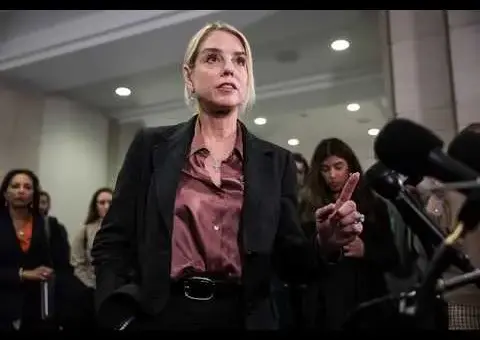
Bondi Defies Subpoena: DOJ Claims She’s No Longer Attorney General
Former Florida Attorney General Pam Bondi's scheduled testimony on the Epstein files has been complicated by the DOJ's claim that she is no longer obligated to appear. Legal experts question this stance, noting that a change in title doesn't usually nullify a subpoena. The situation highlights the challenges of congressional oversight and the potential for political maneuvering.
DOJ Blocks Bondi Testimony: Cover-Up Fears Grow
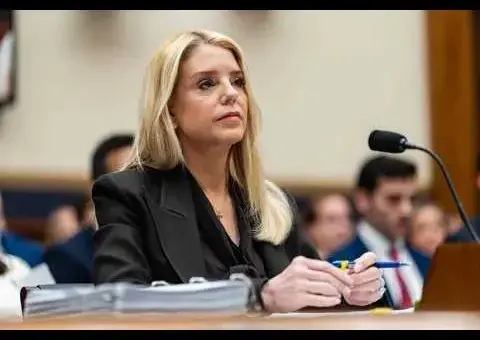
The Justice Department's decision to block Pam Bondi's testimony sparks a fierce debate over government transparency and potential cover-ups. Despite leaving office, lawmakers argue Bondi remains legally obligated to appear before the House Oversight Committee regarding the Epstein files. This move faces bipartisan opposition and raises concerns about future accountability.