DOJ Antitrust Division Faces Watergate-Level Corruption Allegations
Matt Stoller warns of Watergate-level corruption within the DOJ's antitrust division, arguing corporate influence drives up costs and inequality. He believes public anger and legal actions are key to accountability, drawing parallels to past scandals. The fight for affordability is central to exposing this alleged corruption.

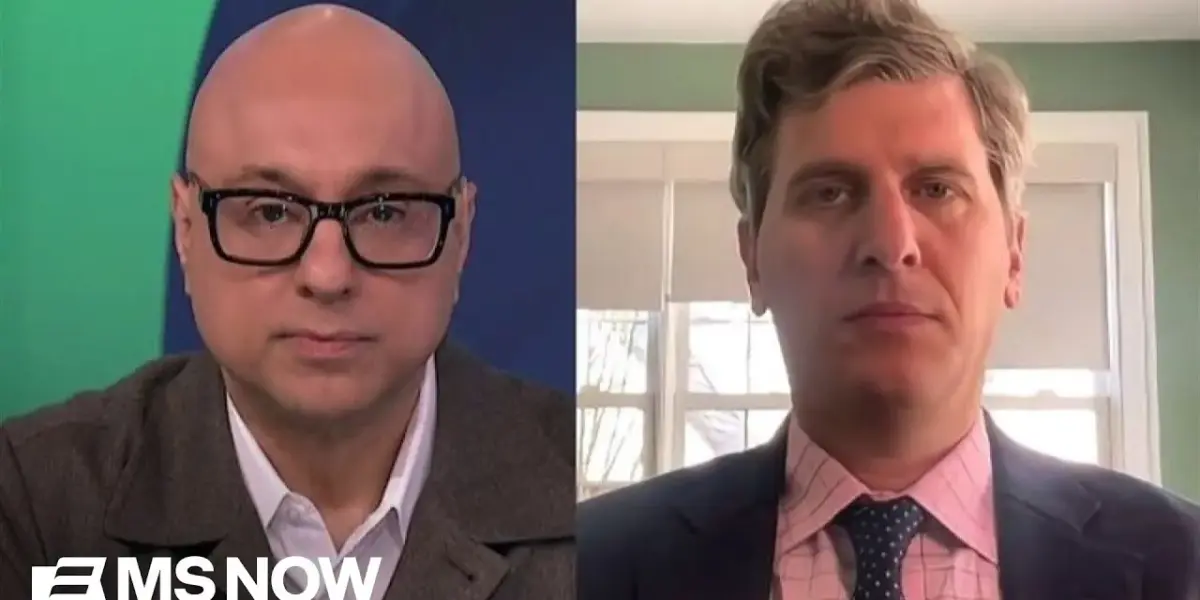
DOJ Antitrust Division Faces Watergate-Level Corruption Allegations
Matt Stoller, a prominent critic of corporate power and director of research at the American Economic Liberties Project, has issued a stark warning: the Department of Justice’s antitrust division may be mired in corruption on par with the Watergate scandal. Stoller argues that a deep-seated problem of corporate influence over government actions is harming everyday Americans by driving up costs and concentrating power in the hands of a few.
The Roots of Corruption and Oligarchy
Stoller explains that the widespread public distrust of powerful individuals and the growing concentration of wealth are direct consequences of this corruption. While the specific cases, like those involving Hewlett-Packard or Compass Anywhere, might seem technical, they represent a pattern. Companies are exploiting individual markets, whether for Wi-Fi systems, real estate services, or event ticketing, to extract wealth from consumers. This consolidation of power in key economic sectors directly fuels inequality and strengthens an oligarchy, where a small group holds immense economic and political power.
“The oligarchy that people dislike, the hatred of what powerful individuals are doing, the concentration of power in the hands of a few is a direct result of this corruption,” Stoller stated.
This isn’t a new issue, Stoller notes, but rather a problem that has worsened over the past 40 years. The current situation, he believes, is more extreme and obvious than in the past. He points to specific individuals and corporations allegedly involved in what he describes as an overt collusion between corporate and political elites, particularly citing links to the Republican Party and the Trump administration. He highlights the involvement of Hewlett-Packard’s General Counsel, John Schultz, in quarterbacking a situation he deems deeply problematic.
Shocking, Obvious, and Rotten
Stoller uses the phrase “shocking and obvious” to describe the alleged corruption, suggesting that while many people sense something is wrong, the specific details confirm these instincts. He acknowledges that the story is complex but emphasizes that the underlying facts reveal a deeply flawed system. The details, he asserts, prove that “something is really, really rotten.”
Watergate Parallels and Public Accountability
Drawing a parallel to the Watergate scandal, Stoller notes that while Watergate involved a breakdown of scruples in both political parties, leading to accountability, the current situation might be even more transparent. He suggests that the current administration’s alleged actions are a “dumber” and faster version of Watergate, making the wrongdoing more apparent. However, he also expresses confidence in the American public and the existing checks and balances within the system.
Stoller believes that public anger and the actions of various state attorneys general, such as Rob Bonta of California and Phil Weiser of Colorado, are crucial in holding powerful figures accountable. These officials are forcing Trump administration officials and corporate leaders to undergo depositions, a process Stoller sees as vital. He points to recent jury trials, like those involving Meta and Google, and Elon Musk’s accountability for defrauding investors, as examples of how the justice system can work for ordinary people.
“Jury trials are kind of what normal people think, and they are a check in our system,” Stoller commented.
The Path Forward: Affordability and Transparency
The implications of this alleged corruption are far-reaching, particularly concerning the affordability of goods and services. Stoller argues that the fight against corporate overreach is fundamentally a fight for fair prices for consumers. As election campaigns approach, issues of affordability will be central, and Stoller believes that investigating these antitrust concerns will reveal the same kind of wrongdoing seen in past scandals.
He highlights that dozens of depositions are available for members of Congress to review, potentially triggering further investigations into insider trading and bribery. Stoller’s work, along with that of the American Economic Liberties Project, aims to bring these issues to light, urging the public and policymakers to address the systemic corruption that benefits corporate elites at the expense of the general population.
What to Watch Next
The coming months will be critical as potential investigations into the DOJ’s antitrust division unfold. Public attention, spurred by upcoming elections and ongoing legal processes involving major tech companies and political figures, will likely intensify. Whether Congress will act on the available deposition evidence remains a key question, as does the continued role of state attorneys general in pushing for accountability. The outcome of these efforts could significantly reshape the landscape of corporate regulation and public trust in government institutions.
Source: Matt Stoller warns of Watergate-level corruption in DOJ’s antitrust division (YouTube)

Related Articles

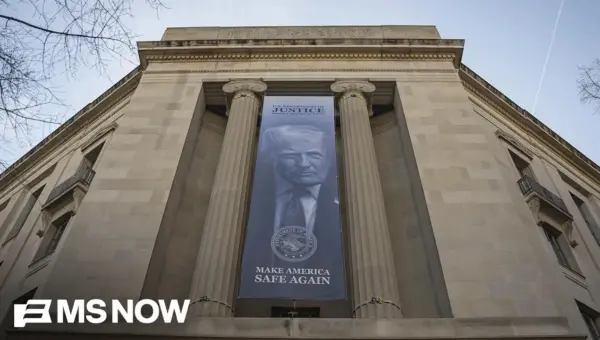
Trump DOJ Antitrust Probe Echoes Watergate Scandal
A sweeping investigation into the Trump administration's Justice Department is drawing parallels to the antitrust roots of the Watergate scandal. Allegations suggest improper influence and threats were used to push through major corporate mergers, including those involving Hewlett-Packard/Juniper Networks and Live Nation/Ticketmaster. Key figures like Mike Davis are at the center of the controversy, accused of leveraging White House access to sway regulatory decisions.

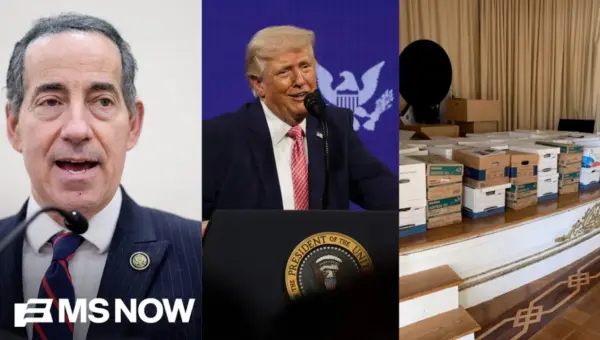
Congressman Slams DOJ Secrecy on Trump Documents
Congressman Jamie Raskin is criticizing the Justice Department's secrecy surrounding investigations into former President Donald Trump, particularly regarding classified documents. He expressed concern that Trump may have kept documents for personal business interests and called for the release of a special counsel report, contrasting it with past practices. Raskin also condemned alleged efforts to interfere in political campaigns through the release of old investigative files.

DOJ Official’s Remarks Spark Outrage Over Political Allegations
A top Trump DOJ official's speech at CPAC has sparked controversy, with claims of incriminating admissions regarding fears of prosecution and alleged political motivations. The remarks have raised serious questions about impartiality within the Department of Justice.