DOGE Ex-Staffers’ Depositions Go Viral Amid Lawsuit
Viral deposition videos from former employees of Elon Musk's Department of Government Efficiency (DOGE) are at the center of a lawsuit alleging First Amendment violations. Ex-staffers are being questioned about DEI program cancellations and the agency's claimed savings, which fell short of deficit reduction goals.

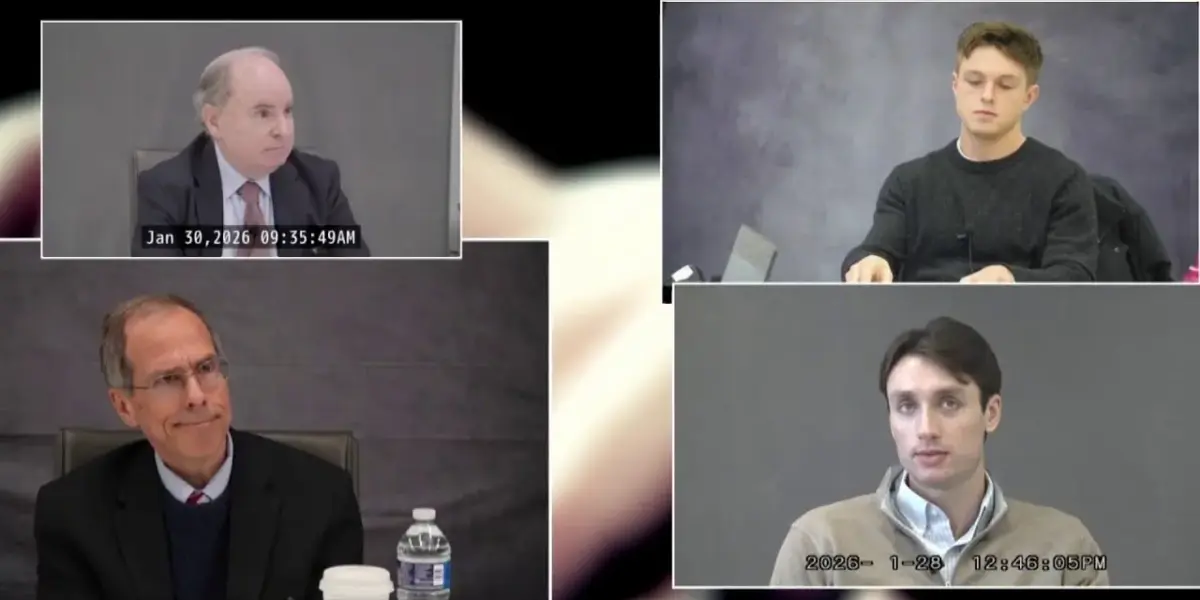
DOGE Ex-Staffers Face Scrutiny in Viral Deposition Videos
Former employees of Elon Musk’s Department of Government Efficiency (DOGE) are at the center of a growing controversy as deposition videos from a civil lawsuit have begun circulating widely online. The videos, taken in January, capture former DOGE staffers being questioned under oath regarding the agency’s controversial actions, particularly its decision to cancel over 1,400 grants intended to fund arts, history, and education projects. The depositions are now going viral, fueling public debate and legal challenges.
DEI Initiatives Under Fire
One of the key focuses of the depositions is the agency’s approach to Diversity, Equity, and Inclusion (DEI) programs. Justin Fox, a former DOGE staffer, was pressed on projects flagged as DEI, including a documentary specifically about Jewish women who endured slave labor during the Holocaust. When questioned about the connection to DEI, Fox defended the project, stating, “It’s a Jewish specifically focused on Jewish cultures and amplifying the marginalized voices of the females in that culture. It’s inherently related to DEI for those reasons.”
Fox also revealed that he utilized ChatGPT to assist in identifying and eliminating DEI programs within the agency. This admission has drawn further attention to DOGE’s operational methods and the rationale behind its program cuts.
Lawsuit Alleges First Amendment Violations
The depositions are intrinsically linked to a civil lawsuit filed by a coalition of humanities groups. These groups contend that DOGE, under Musk’s leadership, violated the First Amendment by abruptly canceling numerous grants. These grants were crucial for supporting a wide array of cultural and educational initiatives across the country. The cancellation of these funds has had a significant impact on the organizations that relied on them.
Legal Battles and Public Reaction
The situation has escalated with legal maneuvers and a strong public reaction online. On Friday, a judge ordered the groups that posted the deposition videos to remove them from public view. The government cited concerns for the safety of former staffer Justin Fox, who reportedly faced harassment and death threats as a result of the videos going viral. The groups involved have filed an emergency request seeking to reconsider the judge’s order, but this request was subsequently denied. A hearing on the matter is scheduled for this Tuesday.
NBC News has confirmed that it obtained copies of the deposition videos from the internet archive. Adding another layer to the unfolding narrative, Elon Musk himself amplified one of the controversial clips on his social media platform, X, drawing even more attention to the legal dispute and the actions of his former agency.
Savings Claims Fall Short
Another former DOGE staffer, Nathan Kavanaugh, was questioned about the agency’s stated goal of reducing government spending. When asked if the agency had successfully reduced the federal deficit, Kavanaugh responded, “No, we didn’t.”
Prior to DOGE’s dissolution and following a public falling out between Musk and former President Trump, the agency had claimed to have achieved savings ranging from $150 to $180 billion. However, this figure falls significantly short of the agency’s stated objective of eliminating the national deficit, which stood at $2 trillion during its operation. This discrepancy raises questions about the agency’s effectiveness and the accuracy of its reported achievements.
Broader Implications
The DOGE depositions and the ensuing legal battles highlight broader concerns about government transparency, the role of federal agencies in funding cultural and educational programs, and the potential for political influence over such initiatives. The involvement of a prominent figure like Elon Musk and the viral nature of the deposition videos underscore the increasing intersection of technology, politics, and public discourse.
The case also brings to the forefront the complex relationship between government funding, artistic expression, and the legal framework protecting such freedoms. The First Amendment claims asserted by the humanities groups could set important precedents regarding the government’s ability to selectively defund programs based on ideological grounds.
What’s Next
All eyes are now on the upcoming hearing this Tuesday, where the judge will address the emergency request to reconsider the order to remove the deposition videos. The outcome of this hearing could significantly impact the ongoing legal proceedings and the public’s access to the evidence presented in the lawsuit. Further developments in the case, including potential rulings on the First Amendment claims and the future of the humanities groups’ funding, will be closely watched.
Source: Former DOGE staffers’ depositions go viral (YouTube)

Related Articles

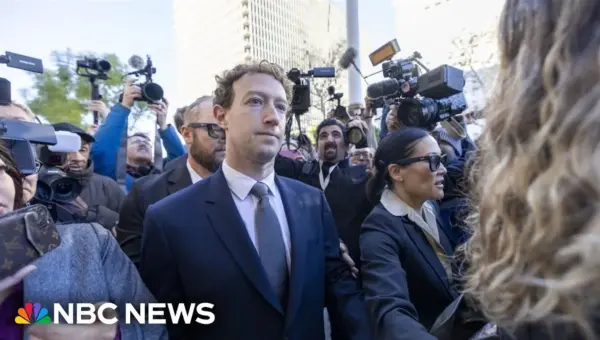
Social Media Giants Found Liable in Landmark Lawsuit
A Los Angeles jury has found Meta and YouTube negligent in their platform designs, marking a historic verdict that could signal the "end of social media as we know it." The ruling holds the tech giants accountable for addicting young users and causing mental health issues, potentially reshaping the industry.

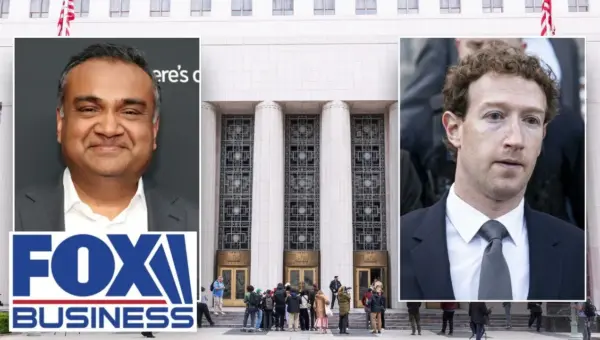
Jury Hits Meta, YouTube With $6B Social Media Addiction Fine
A jury found Meta and YouTube liable for harming young users' mental health, awarding $6 billion in damages. Both tech giants plan to appeal, citing legal protections like Section 230 and Supreme Court precedents that shield platforms from user-generated content liability. The fines are small compared to company profits, but the verdict signals increased legal scrutiny.

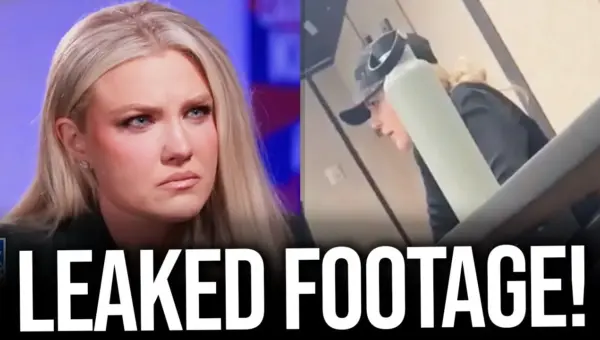
Kirk’s Campus Visit Sparks Lawsuit, Free Speech Debate
A leaked video of Turning Point USA CEO Erica Kirk at Arizona State University has triggered a lawsuit and an investigation. Organizers claim Kirk's actions led to their free speech event's cancellation, raising questions about the organization's commitment to open expression.