Dodge Charger’s German Debut Falls Short in Drag Race Showdown
In a thrilling drag race, the new Dodge Charger faced off against the BMW M4 Competition and Audi RS3. Despite a horsepower advantage, the Charger's weight proved to be its undoing, with the German performance cars ultimately taking a decisive victory.

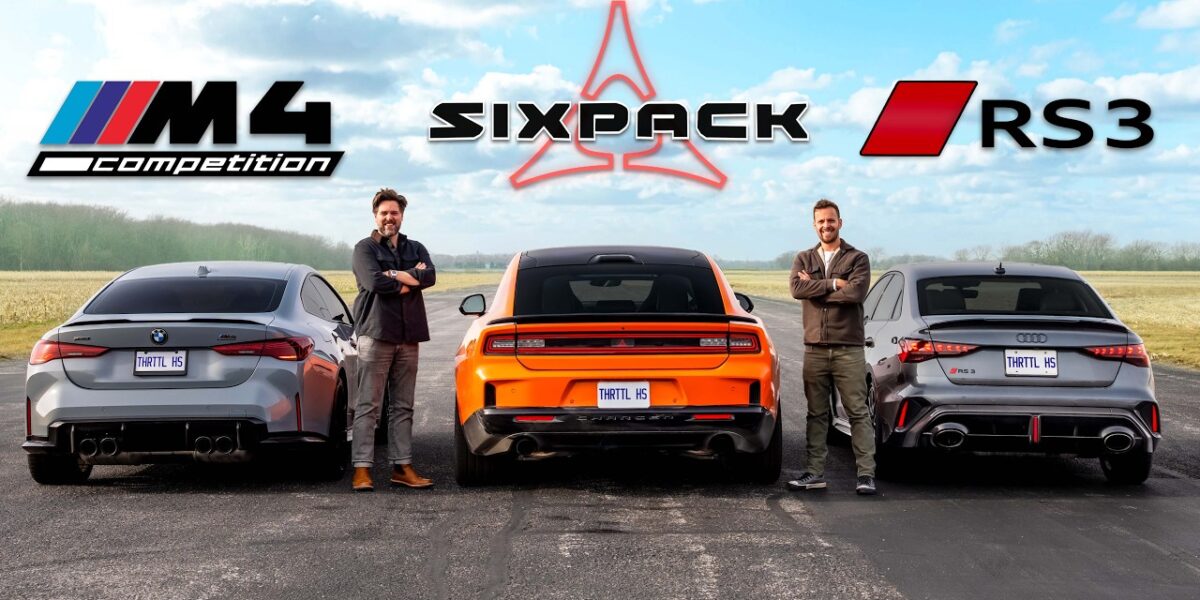
Dodge Charger vs. BMW M4 Comp vs. Audi RS3: A Drag Race Verdict
The automotive world is abuzz with the arrival of the new Dodge Charger, a machine that boldly claims to leverage the same twin-turbo inline-six engine philosophy as its German counterparts, but with a significant horsepower advantage. The question on everyone’s mind, however, is whether this American muscle car, even with its enhanced power, can truly go toe-to-toe with the established performance titans from BMW and Audi. In a surprising, yet perhaps inevitable, turn of events, these three enthusiast darlings found themselves lined up for a drag race, with a smaller, less powerful German contender thrown in as a benchmark. The results? Let’s just say the Charger’s performance, while showing flashes of potential, ultimately fell short of its ambitious targets.
The Contenders and the Setup
The lineup for this impromptu drag race was a fascinating, if eclectic, mix. Leading the charge for Dodge was the new Charger, a vehicle that, despite its modern powertrain, carries a significant weight advantage. The presenter noted the Charger felt “heavy,” a stark contrast to its lighter German rivals. To give the Charger its best shot, a dedicated drag mode was engaged, involving a specific sequence of button presses to activate ‘Drag’ and ‘Track’ settings. Launch control was set at a potent 3200 RPM, and all-wheel drive was engaged, presenting the Charger with what was described as its “best chance ever” against cars like these.
On the German side stood the formidable BMW M4 Competition and the agile Audi RS3. While the transcript doesn’t provide exact specifications for these models in this specific comparison, the M4 Competition is known for its potent twin-turbo inline-six engine, typically producing around 503 horsepower and 479 lb-ft of torque, with a 0-60 mph time in the low 3-second range. The Audi RS3, often powered by a charismatic five-cylinder engine, offers a more compact yet potent package, with around 394 horsepower and 369 lb-ft of torque, capable of 0-60 mph in the mid-3-second range.
The First Run: Off the Line Dominance
The initial drag race was a spectacle of rapid acceleration. The moment the lights dropped, the Audi RS3, despite being the least powerful on paper, demonstrated impressive traction, hooking up brilliantly off the line. The presenter, driving the RS3, was surprised by its initial quickness, stating, “I am the slower of the three cars in this race. It’s so… Oh, there goes the M4.” The M4 Competition, a known straight-line weapon, quickly asserted its dominance, pulling away from the RS3. The Charger, in this initial run, was observed to be surprisingly close to the M4, a testament to its raw power, but it was ultimately unable to match the Germans’ launch prowess.
Post-race analysis highlighted the critical role of weight. “Mathematics in action there. Lack of weight off the line,” one commentator noted. While the M4 eventually took the lead, the Charger’s proximity to it, despite its heft, was a talking point. The question lingered: could the Charger’s power advantage make a difference in a roll race, where the initial launch is less critical?
The Roll Race: A Second Chance for the Charger?
Hoping to leverage its horsepower advantage, the Charger was given a second chance in a roll race scenario. The premise was simple: at speed, the Charger’s extra grunt might overcome the Germans’ lighter frames and superior launch capabilities. The presenter admitted to slightly “cheating” the start in the roll race, applying throttle a fraction of a second before the official ‘go.’ This minor advantage, however, proved insufficient.
The BMW M4 Competition, once again, proved to be in a league of its own. Despite the Charger’s efforts and a close initial few moments, the M4 simply pulled away. “It didn’t matter. The M4 was in a different race,” the presenter declared, highlighting the significant performance gap. The confession of a slightly early start by the Charger driver only underscored the M4’s dominance; even with a slight handicap, the Charger couldn’t close the gap. The Audi RS3 also held its own, proving to be a “formidable foe” and remarkably close to the M4 in this rolling scenario, despite the M4’s perceived advantage.
Performance Analysis: Weight vs. Power
The drag races clearly illustrated the fundamental physics at play. While the new Dodge Charger boasts impressive horsepower figures (though not explicitly stated in the transcript for the specific trim used, it’s implied to be a potent variant), its substantial weight proved to be a significant impediment, especially against the lighter, more dynamically focused German rivals. The Audi RS3, despite being the smallest and least powerful, demonstrated that intelligent packaging, advanced all-wheel-drive systems, and a lower curb weight can often overcome raw power figures in a straight-line sprint.
The BMW M4 Competition, as expected, was the outright performance king of this trio. Its ability to launch effectively and maintain its speed advantage in both standing and rolling starts cemented its position as the benchmark. The transcript implies that even a hypothetical future Hellcat version might struggle against these German powerhouses if the weight issue isn’t addressed.
Interior and Value Proposition
While the transcript focuses heavily on performance metrics, it offers a brief, albeit subjective, commentary on aesthetics. The presenter expresses a strong dislike for the M4’s prominent grille, describing it as a “big dumb buck-toothed beaver grill.” However, this aesthetic critique does little to detract from the M4’s undeniable performance superiority. The Charger, on the other hand, is described as feeling like it “needs some work,” with a humorous suggestion to “just stick a V8 in” to make it truly fun.
Regarding value, the transcript doesn’t delve into specific pricing or trim levels beyond implying the Charger used was a Scat Pack variant. However, the performance disparity suggests that potential buyers looking for pure, unadulterated performance might find the BMW M4 Competition and Audi RS3 to be more compelling, albeit likely at a higher price point. The Charger, while offering a different kind of muscle car experience, appears to still be finding its footing in the performance landscape, especially when compared to these highly refined German machines. The value proposition for the Charger might lie more in its heritage, styling, and the promise of future V8 variants, rather than its current straight-line performance against top-tier German competitors.
Verdict: Germans Still Reign Supreme
The conclusion of this drag race is clear: the BMW M4 Competition stands as the dominant performer, followed closely by the agile Audi RS3. The Dodge Charger, despite its new platform and engine strategy, falls short in this direct comparison. While it offers a tantalizing glimpse of American power, its significant weight and perhaps less refined powertrain integration prevent it from challenging the Germans’ established performance credentials. As the presenter aptly put it, “Humpty Dumpty, it feels like it needs putting back together again.” For enthusiasts prioritizing outright performance and track-honed dynamics, the BMW and Audi remain the go-to choices, while the Charger appears to be a work in progress, still searching for its ultimate identity in a competitive performance segment.
Source: NEW Gas Charger vs M4 Comp vs RS3 // DRAG RACE (YouTube)

Related Articles


Ferrari SF90 XX vs. Koenigsegg Regera: Hybrid Hypercar Showdown
In a thrilling drag race, the Ferrari SF90 XX narrowly defeated the Koenigsegg Regera in standing quarter-mile sprints. However, the Regera proved its mettle in rolling acceleration, showcasing the nuances of hybrid hypercar performance.

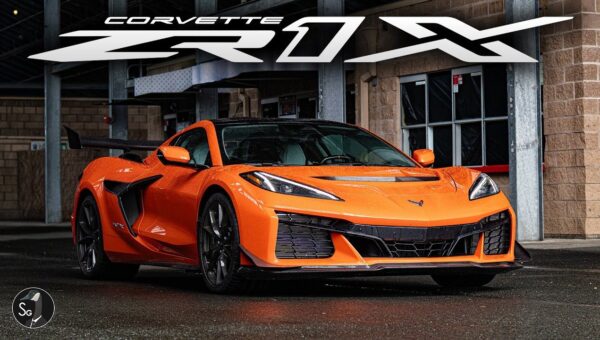
Corvette ZR1X: A Hybrid Hypercar Masterpiece
The Chevrolet Corvette C8 generation reaches its zenith with the ZR1X, a 1,250 horsepower hybrid hypercar. Boasting a 1.68-second 0-60 mph time and a bespoke Alcon braking system, it redefines supercar performance. This machine represents the culmination of meticulous planning and advanced engineering.

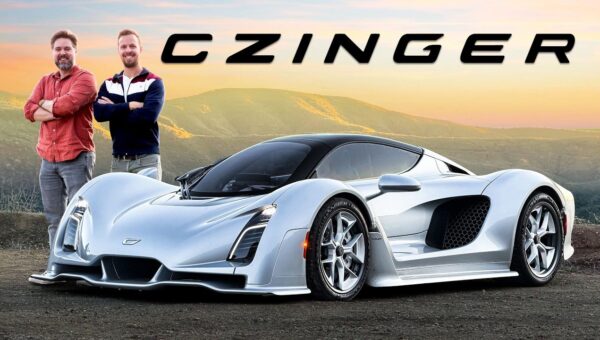
Czinger 21C: 3D-Printed Hypercar Rewrites the Rules
The Czinger 21C is a $2.3 million hypercar redefining automotive manufacturing with its extensive use of 3D-printed components. Boasting 1,250 horsepower and a 11,000 RPM redline, it delivers a visceral and boundary-pushing driving experience.