Documentary Misses Why Boys Join Manosphere: Expert
A new documentary on the manosphere has been criticized for not exploring why young men are drawn to toxic online influencers. Expert Mark Brooks argues that economic hardship and a lack of opportunity are key factors, not just online exposure.

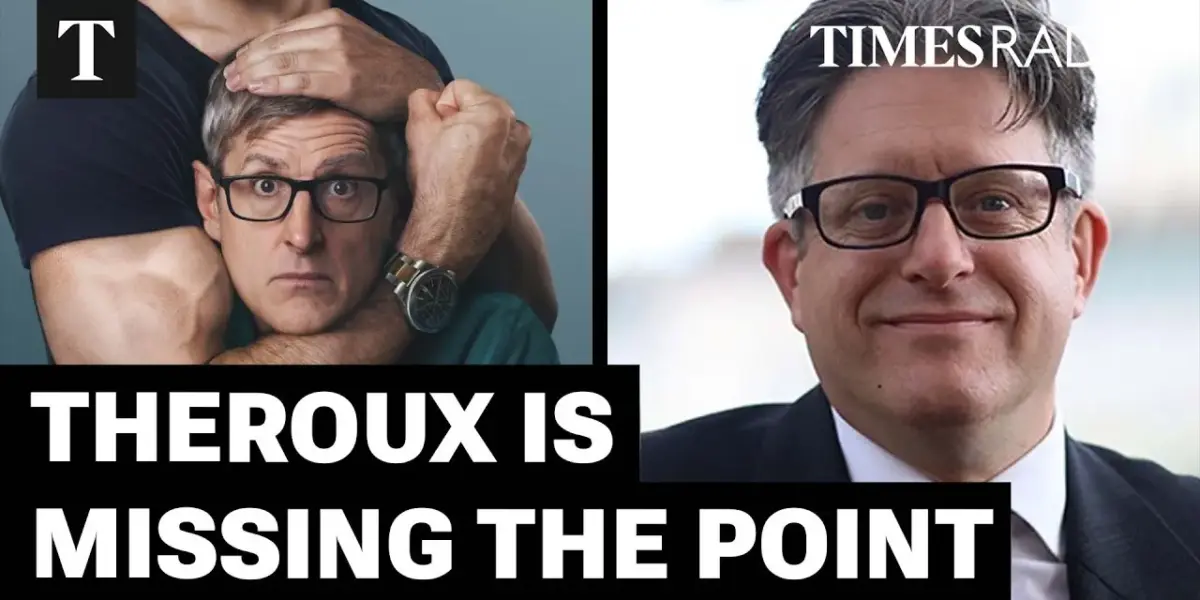
New Documentary Sparks Debate on Manosphere Influence
A recent documentary by Louis Theroux, titled ‘Inside the Manosphere,’ has brought the online world of ‘manosphere’ influencers into sharp focus. These influencers promote a version of traditional masculinity, but the film has raised serious concerns about misogyny and radicalization. While some viewers have called it a shocking wake-up call, others argue it doesn’t go deep enough into the core issues.
Expert Critiques Documentary’s Focus
Mark Brooks, from the Center for Policy Research on Men and Boys, expressed disappointment with the documentary. He stated that the film failed to explore the underlying reasons why young men are drawn to these influencers. “It didn’t actually look at why some young men are going to these influencers,” Brooks said. “What’s their backstory? Why is it that they feel that those influencers, those toxic influencers are the answer to their problems?”
Brooks acknowledged that showcasing the nature of these influencers was important. However, he felt the documentary missed a crucial opportunity by not delving into the motivations and backgrounds of the young men involved. The film briefly touched on two young men from Florida, which Brooks considered the most significant part of the documentary. He believes that a year after the documentary’s release, the focus should shift from identifying problems to finding solutions.
Exposure vs. Belief: A Nuanced View
When asked if the documentary accurately reflected the exposure young men have to these ideas, Brooks agreed it was accurate. However, he disagreed that most teenage boys actually believe the content they see from manosphere influencers. “There’s no one more cynical in this world than a teenage boy,” he explained. “So, they will see this content, but the research continually shows that actually most teenage boys think these manosphere toxic influencers are actually idiots.”
Brooks highlighted that a significant minority, around one in five young men, do take these influencers seriously. These individuals often lack a sense of purpose, positive male role models, or face worries about future employment and academic struggles. Brooks stressed the importance of focusing attention on this group rather than labeling all teenage boys as a problem that needs fixing. “It’s some. And they’re not a problem. We just need to give them a helping hand,” he added.
Economic Factors Fueling Discontent
The conversation then turned to economic factors influencing young men’s sense of being let down by the system. Brooks pointed to shocking unemployment figures for young men aged 18 to 24, which are at a 12-year high with 373,000 individuals affected. He believes this situation contributes to young men feeling stuck and looking for illusory incentives, like quick money schemes promoted online, rather than engaging with the system.
“Unemployment, not doing so well in school, lack of job opportunities. A lot of the conversation around this is often from a metropolitan lens,” Brooks stated. He emphasized the need to support boys in areas with fewer opportunities, such as Blackpool, Blackburn, and Blythe. “We need to have boys thinking that there is a future and that they know and have those pathways to get there.”
Bridging the Opportunity Gap
While acknowledging some government initiatives, like investment in youth clubs and vocational education reforms, Brooks argued that progress is not happening quickly enough. He cited concerning statistics: apprenticeship figures for young men have dropped by 30% over the last decade. Furthermore, for every 100 teenage girls who go to university, only 78 teenage boys do.
“We’re looking at a lot of boys from different angles who are not having the opportunity to participate in normal life, and we need that to change,” Brooks urged. He believes these statistics show a significant portion of young men are being left behind, lacking the pathways to success that are more readily available to their female peers.
Looking Ahead: A Positive Approach
Brooks shared his hopes for the government’s upcoming men and boys summit. He stressed that the summit must adopt a positive and supportive lens. “It’s not about boys are a problem, young men are a problem, they need to be fixed. It’s about we see you, we believe you, we’re on your side, what can we do to help?” he proposed.
Practical changes are essential, according to Brooks. These include reforming the education system to ensure boys perform as well as girls, creating real job opportunities, especially in underserved communities, and expanding youth center programs. He also highlighted the critical need for more male mentors and for other men to step up and actively support young boys. “There are too many young men spending too much time in the online world, and we need them to be more present in the offline world,” Brooks concluded.
The expert believes that a proactive and supportive approach is necessary to address the complex issues facing young men today. By focusing on opportunity, mentorship, and systemic change, society can help steer young men away from harmful online influences and towards a more positive future.
Source: Louis Theroux Documentary ‘Didn’t Actually Look At Why’ Boys Turn To The Manosphere | Mark Brooks (YouTube)

Related Articles

Social Media Giants Face Lawsuits Over Addictive Designs
Tech giants Meta and Google are facing significant legal challenges as juries find them liable for the addictive design of their platforms and the harm caused to young users. Recent verdicts in California and New Mexico have ordered the companies to pay millions in damages, highlighting concerns over mental health impacts and child exploitation.

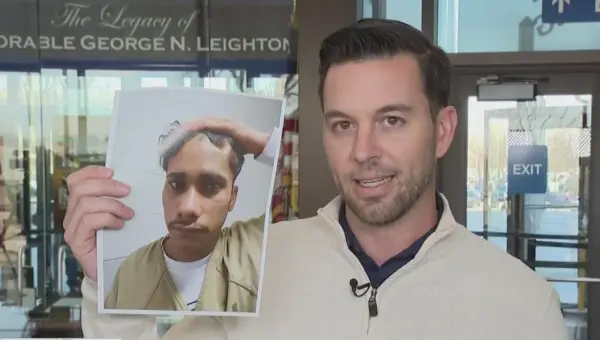
Immigration Debate Ignites Over Campus Killing
The detention hearing for Jose Medina, accused of murdering Loyola student Sheridan Gorman, has ignited a debate over immigration and mental capacity. Medina, an undocumented immigrant, will remain in custody. His defense cited head trauma and developmental delays, requesting jail time to prevent deportation and ensure due process.

Indonesia Mental Health Centers Accused of Abuse, Survivors Speak Out
Survivors of Indonesian mental health facilities are speaking out about horrific abuse, including torture, sexual assault, and neglect. Organizations investigating the claims have documented over 200 cases, highlighting a widespread problem in institutions meant for care. The accounts reveal a critical failure to protect the rights and dignity of vulnerable patients.