Documentaries That Became More Disturbing With Time
From shocking confessions to exposés that sparked real-world change, these documentaries became even more unsettling with time, revealing deeper truths about society and human nature.


When Real Life Outpaces Fiction: Disturbing Documentaries That Gained New Weight
Some documentaries are powerful when they first hit the screen, but their impact only grows over time, revealing deeper truths or becoming even more unsettling in retrospect. From shocking confessions to eye-opening exposés that sparked real-world change, these films offer a chilling look at how our understanding of events can evolve, making their original subjects all the more disturbing.
The Confession That Broke the Case: ‘The Jinx’
HBO’s 2015 docuseries, The Jinx: The Life and Deaths of Robert Durst, captivated audiences with its deep dive into the life of real estate heir Robert Durst, a man suspected in the murders of three people, including his wife Kathleen Durst. Director Andrew Jarecki, who had previously explored Durst’s story in the fictional film All Good Things, managed to secure an unprecedented level of access to the reclusive Durst. During a particularly chilling moment, when asked about his wife’s disappearance, Durst famously stated, “I don’t know where she is. I don’t know what happened to her. I don’t know how it happened to her. I had nothing to do with what happened to her.” The series culminated in a moment that sealed Durst’s fate: audio captured him seemingly confessing to the murders in a hot mic moment, muttering, “Killed them all. Of course.” The day before the final episode aired, Durst was arrested for the murder of his friend Susan Berman, a crime the documentary heavily implied he committed. He was later found guilty.
A Concert’s Tragic Turn: ‘Gimme Shelter’
Released in 1970, Gimme Shelter is a landmark music documentary that chronicles the Rolling Stones’ 1969 tour. While the film captures the band’s electrifying performances, it takes a dark and violent turn during the Altamont Free Concert. With an estimated crowd of 300,000 attendees and the Hells Angels providing security, the event devolved into chaos. The documentary unflinchingly captures the fatal stabbing of audience member Meredith Hunter by an Hells Angel member, Alan Pasaro. The raw, unfiltered footage of this event remains one of the most disturbing and infamous moments ever captured on film, forever linking the film to a tragic act of violence.
Orca Captivity Exposed: ‘Blackfish’
This powerful 2013 documentary, Blackfish, shone a harsh spotlight on the practice of keeping orcas in captivity, primarily focusing on Tilikum, a whale involved in the deaths of three individuals at SeaWorld Orlando. The film meticulously details Tilikum’s capture and the harsh conditions he endured, arguing that his aggressive behavior was a direct result of his prolonged confinement and mistreatment. The documentary’s unflinching portrayal of the orcas’ suffering and the dangers posed by their captivity resonated deeply with the public. Following its release, SeaWorld and other theme parks experienced significant drops in attendance and profits, ultimately leading SeaWorld to end its orca breeding program and phase out its theatrical shows featuring the animals.
The Perils of Online Romance: ‘Catfish’
Premiering in 2010, Catfish initially presented itself as a cautionary tale about online relationships. The film follows Nev Schulman as he becomes romantically involved with a woman named Megan online. However, as the documentary unfolds, it reveals a complex web of deception, culminating in the shocking discovery that the person Nev had been interacting with was not who they claimed to be. In an era where online deception is more common, Catfish was groundbreaking in its exploration of the phenomenon. Its success led to a popular MTV reality series of the same name, proving that the story was just the tip of the iceberg in a world increasingly connected by the internet.
Military Sexual Assault Uncovered: ‘The Invisible War’
Released in 2012, The Invisible War predated the widespread awareness of the #MeToo movement by exposing the systemic issue of sexual assault within the U.S. military. The documentary highlights the harrowing experiences of several female veterans who faced assault and the subsequent mishandling of their cases by the military justice system. The film’s impact was immediate, prompting lobbying efforts and policy changes aimed at better protecting and supporting survivors. Reflecting on the documentary today, its relevance is even more pronounced, serving as a stark reminder of the ongoing fight for accountability and justice for victims of military sexual trauma.
Justice Through Film: ‘The Thin Blue Line’
Errol Morris’s 1988 documentary, The Thin Blue Line, is a prime example of cinema as a force for justice. The film investigated the murder of a Texas police officer, Robert Wood, and the subsequent conviction of Randall Dale Adams, who was on death row. Through compelling interviews and dramatic reenactments, Morris presented compelling evidence that cast serious doubt on Adams’s guilt. The documentary’s powerful exposé of inconsistencies and potential misconduct within the investigation led to the reopening of the case. Ultimately, due to the revelations in the film, Adams was released from prison before his scheduled execution, a testament to the documentary’s profound impact on the American legal system.
Decades of Injustice: ‘Paradise Lost Trilogy’
This extensive three-part documentary series, spanning from 1996 to 2011, meticulously details the disturbing case of the West Memphis Three. The trilogy chronicles the convictions of three teenagers—Damien Echols, Jason Baldwin, and Jessie Misskelley Jr.—for the brutal murders of three young boys in Arkansas. The documentaries explore the perceived corruption and flaws within the legal proceedings that led to their convictions, fueled by local hysteria and questionable evidence. Public outcry and support, including donations from celebrities like Johnny Depp, grew over the years. The series’ persistent investigation into the case eventually contributed to the release of the three men, who maintained their innocence throughout.
The Dark Side of Dolphin Hunting: ‘The Cove’
Director Louie Psihoyos’s 2009 documentary, The Cove, is a deeply disturbing investigation into the annual dolphin hunt in Taiji, Japan. The film reveals how over 20,000 dolphins are captured or slaughtered each year, a practice largely unknown to the outside world. Psihoyos and his team employed covert tactics to capture graphic footage of the hunt, exposing the brutal reality behind the serene facade of the coastal town. While the film sparked international condemnation and raised crucial awareness, it also faced criticism regarding its filmmaking methods and its portrayal of Japanese culture. Despite the controversy, The Cove remains a harrowing account of animal cruelty and a powerful call to action.
Institutional Neglect Exposed: ‘Titic Follies’
Originally filmed in 1967, Titic Follies (also known as Lobster Pot) is a groundbreaking and deeply unsettling documentary that provided an unvarnished look inside the Massachusetts Bridgewater State Hospital for the Criminally Insane. The film documented the horrific ill-treatment and neglect suffered by the institution’s patients, exposing serious flaws in mental healthcare at the time. The state initially banned the film’s release, deeming it too disturbing. It was only made available to medical and legal professionals before a court finally allowed public access 24 years later. Given our increased understanding of mental illness today, the film’s depiction of patient suffering is even more infuriating and heartbreaking.
Religious Extremism Explored: ‘Jesus Camp’
Premiering in 2006, Jesus Camp courted controversy by offering an inside look at the Kids on Fire School of Ministry, a Christian summer camp where children were immersed in evangelical teachings and political activism. The documentary captured scenes of intense indoctrination and fervor, raising concerns about alleged abusive practices and the manipulation of young minds. The film generated significant backlash, leading to the closure of the camp featured. However, the documentary’s chilling conclusion is that the camp’s leader, Becky Fischer, continued her ministry elsewhere, highlighting the enduring nature of the movement depicted.
Source: Top 10 Disturbing Documentaries Because of What We Know NOW (YouTube)

Related Articles


Silent Warnings: When Ordinary People Foresee Disaster
Explore the chilling accounts of ordinary individuals whose warnings about impending crimes were tragically ignored. From financial fraud to mass violence, these stories highlight the critical importance of heeding early signs.

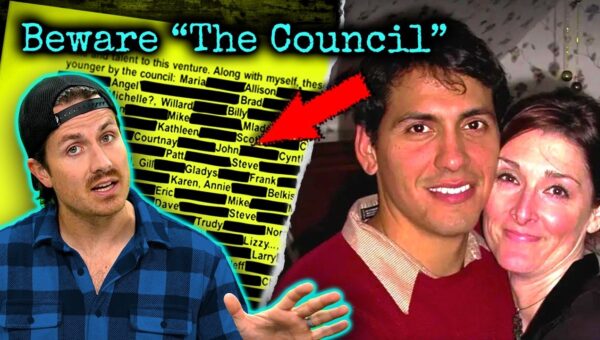
Cryptic Note, Impossible Fall: The Unsolved Death of Rey Rivera
Rey Rivera's death is shrouded in mystery, marked by a cryptic note, an impossible fall from a building, and a police investigation that hit insurmountable obstacles. The case remains officially unsolved, leaving more questions than answers.


Serial Killers’ Dumbest Mistakes Exposed!
From leaving digital breadcrumbs on Expedia to shoplifting a can of salmon, notorious serial killers have been caught due to surprisingly simple and often foolish mistakes. This article delves into the most egregious blunders that led to their capture.