Doctors Sound Alarm on Trump’s Cognitive Decline
Medical experts, including Dr. Vin Gupta and Dr. John Gartner, are raising serious concerns about Donald Trump's cognitive health. They point to his speech patterns and frequent cognitive tests as potential indicators of decline. Mary Trump also shared her observations of confusion and memory issues.

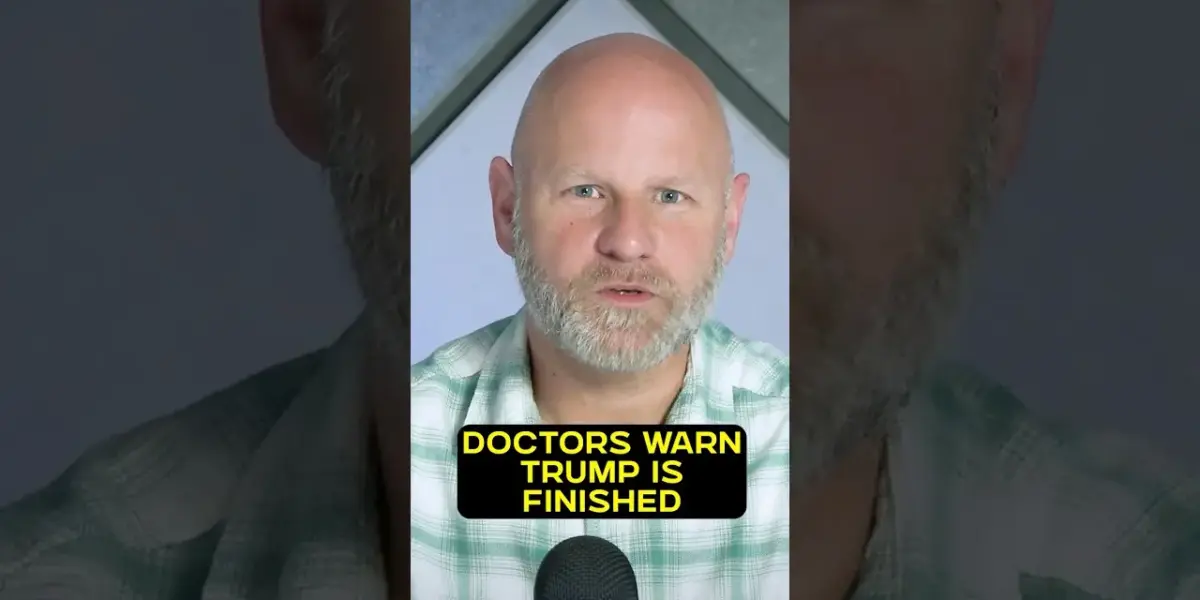
Doctors Raise Concerns Over Trump’s Mental State
Recently, a post by Donald Trump on social media sparked concern among medical professionals. Dr. Vin Gupta, a medical expert, shared his thoughts online. He pointed out several worrying signs in Trump’s communication. These included erratic speech, unfinished sentences, confusion, and difficulty finding words. Dr. Gupta suggested these are signs of dementia. This isn’t the first time he has spoken about concerns regarding Trump’s mental fitness.
Previous Warnings and Cognitive Tests
Last month, Dr. Gupta discussed Trump’s behavior. He noted changes like lashing out and acting unreasonably. While some might see this as his usual personality, Dr. Gupta believes it is getting worse over time. He also commented on Trump bragging about passing cognitive tests. Dr. Gupta explained that taking these tests frequently, like the Montreal Cognitive Assessment, is unusual. People usually only take them if doctors are already worried about early signs of dementia or cognitive impairment.
“You don’t do this every other day and use that as evidence that you’re cognitively there.”
Dr. Gupta warned that bragging about these tests might actually point to a problem, not a sign of good health. He believes Trump might be ruling himself into a condition he doesn’t want to have. This means the tests he’s using to prove his sharpness could be highlighting potential issues instead.
Other Professionals Echo Concerns
Dr. Gupta is not alone in his worries. Other mental health experts have also voiced similar concerns. Mary Trump, Donald Trump’s niece and a psychologist, has spoken out. She mentioned seeing confusion in his eyes. She also noted that he sometimes seems disoriented about time and place. Mary Trump believes his short-term memory is worsening.
She drew a comparison to her grandfather, Donald Trump’s father. He passed away at 93 from pneumonia and conditions related to Alzheimer’s and dementia. This comparison highlights a potential family history of cognitive decline.
Expert Analysis of Cognitive Assessments
Another expert, Dr. John Gartner, has also frequently shared his views on this topic. He agrees that taking the Montreal Cognitive Assessment multiple times raises red flags. Dr. Gartner stated that while a single test might be given to someone of a certain age as part of a routine check-up, taking it three times suggests something different.
“You could maybe justify giving someone the Montreal cognitive assessment once just on their age, just as part of a physical, but if you’re giving it to him three times, that means you’re not assessing dementia, that means you’re monitoring dementia.”
He believes that repeated testing indicates doctors are not just checking for dementia, but actively monitoring it. This suggests a pattern of concern and observation rather than a simple baseline assessment.
Why This Matters
Concerns about a political leader’s cognitive health are significant. A president or a major political figure needs to be mentally sharp to make crucial decisions. These decisions can affect national security, the economy, and the well-being of millions. When credible medical professionals raise alarms, it warrants public attention and serious consideration. The public has a right to know if their leaders are fit for the demands of their office.
Historical Context
Concerns about the health of political leaders are not new. Throughout history, leaders have faced scrutiny over their physical and mental well-being. However, in the age of instant communication and social media, these discussions can spread rapidly. The focus on cognitive health has also increased, with more understanding of conditions like dementia and Alzheimer’s.
Implications and Future Outlook
These discussions raise important questions about transparency and accountability. Should political candidates be required to undergo more rigorous cognitive testing? How should the public weigh concerns raised by medical professionals against political rhetoric? As we look ahead, the debate over the cognitive fitness of public figures will likely continue. It is a complex issue that touches on public trust, medical ethics, and the future of leadership.
Source: Doctors WARN that Trump is done for (YouTube)

Related Articles
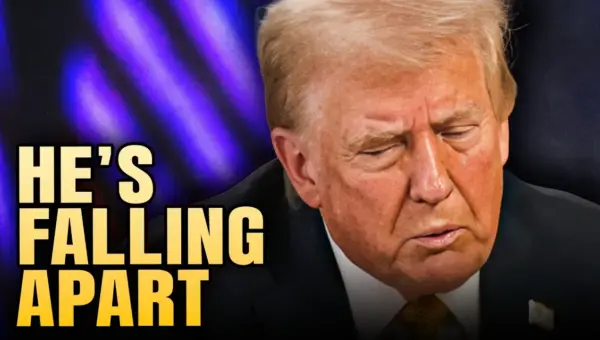
Trump Threatens Media Over Ceasefire Report
Donald Trump has escalated his conflict with CNN, threatening investigations after the network reported on Iran's claims regarding a ceasefire agreement. This action raises serious concerns about press freedom and potential government overreach.

Trump’s Iran War Fuels Inflation, Strains Alliances
Donald Trump's recent military actions in Iran are being blamed for a significant rise in U.S. inflation and increased gas prices, impacting consumer confidence. The conflict has also strained relationships with key international allies, leading to diplomatic friction and questions about the future of alliances like NATO.
MAGA Elite Rebel: Trump Battles His Own Loyalists
Donald Trump is facing a revolt from his own MAGA elite, including figures like Tucker Carlson and Alex Jones. The conflict erupted after Trump's comments on potentially threatening Iranian civilians, which even his loyalists found unacceptable. This internal dissent, backed by data from his own social media, signals potential cracks in his base.