Doctor Faces Murder Charges in Wife’s Alleged Attack
A Hawaii doctor faces murder charges in an alleged attempt to kill his wife. The trial hinges on physical and circumstantial evidence, as both husband and wife claim the other attacked first. Experts suggest the jury may consider a lesser charge like attempted manslaughter due to potential emotional disturbance.

Doctor Faces Murder Charges in Wife’s Alleged Attack
A doctor in Hawaii is facing serious charges after allegedly attempting to kill his wife. The case, which involves a husband and wife in a violent fight, is complex because both parties claim the other attacked first. This creates a situation where the outcome hinges on more than just their words.
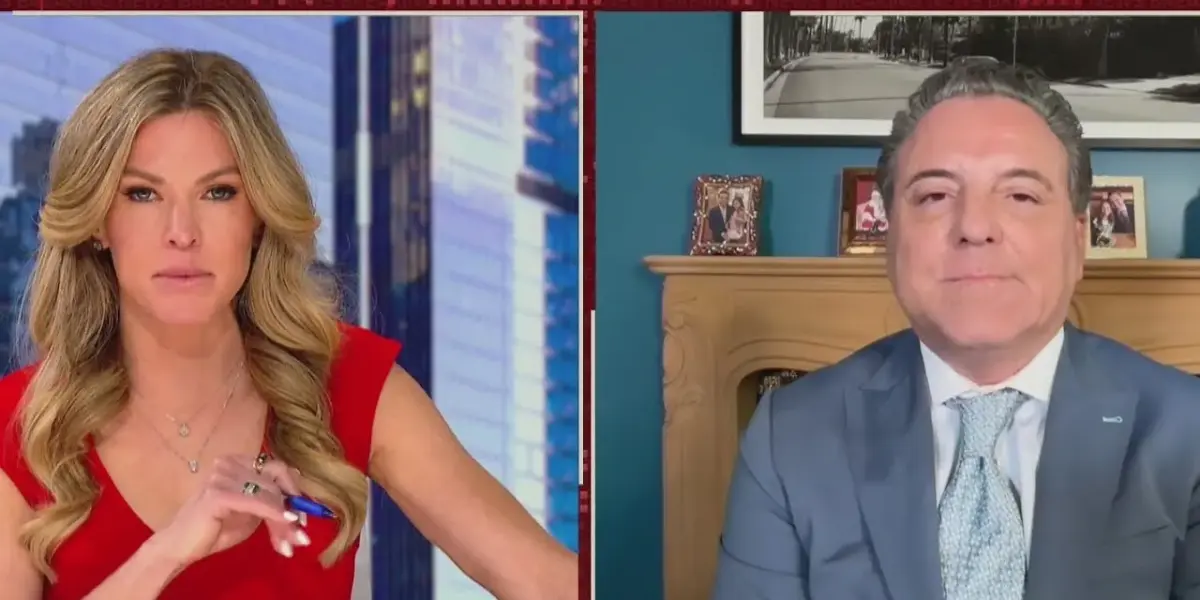
The trial attorney, Brian Claypool, explained that with no eyewitnesses to the very beginning of the altercation, investigators must rely on other types of evidence. This includes physical evidence and circumstantial evidence, which are key to understanding what truly happened. The prosecution believes this evidence points to a planned attack.
Physical Evidence Points to Intent
A crucial piece of physical evidence mentioned is a rock used during the fight. Blood found on the rock has been identified as belonging to the wife. This suggests the husband may have used the rock against her, which could mean he was not acting purely in self-defense.
The prosecution views this evidence as a strong indicator of the husband’s intent. They argue that the physical evidence, combined with other factors, shows he planned to kill his wife. This was allegedly part of a multi-step plan, described as Plan A, Plan B, and Plan C.
Circumstantial Evidence Creates Doubt
Circumstantial evidence also plays a significant role. One key element is a phone call the husband made after the incident. His stepson testified that the husband claimed he tried to kill his wife during this call. This statement is expected to be very important for the jury.
Another important piece of circumstantial evidence is that the husband went into hiding for eight hours after the fight. This behavior can suggest a guilty conscience, according to legal experts. The prosecution says this shows he knew he had done something wrong and was trying to avoid consequences.
However, the defense is also using circumstantial evidence to argue their case. They point to the syringe mentioned by the husband, which he allegedly used in an attempt to inject his wife. The fact that the syringe was never found raises questions for the jury. The defense suggests this casts doubt on whether the husband actually used a syringe as he claimed.
Differing Interpretations of Events
The prosecution’s closing arguments suggest a clear intent to kill, with multiple plans in place. They presented the sequence of events as a deliberate attempt to murder his wife, involving actions like using a syringe, pushing her off a cliff, and striking her with a rock. They argue that the husband’s actions were not a spontaneous reaction but a calculated effort.
The defense, however, frames the situation differently. They suggest that the wife’s reports to the police may have been inconsistent. They also highlight the lack of the syringe as a way to create doubt about the prosecution’s narrative. The defense is trying to convince the jury that the evidence does not definitively prove their client’s guilt beyond a reasonable doubt.
Potential Verdict: Attempted Manslaughter
The legal analysis suggests the case could come down to the specific charges the jury considers. Intentional murder carries a sentence of life in prison with the possibility of parole. However, the attorney believes the jury might find the husband guilty of a lesser charge: attempted murder by manslaughter.
This charge involves a mitigating factor, such as an emotional disturbance, that influences the person committing the crime. The attorney suggests this could apply here. The alleged discussion about the wife’s affair, which she described as emotional rather than physical, might have triggered an emotional outbreak in the husband.
If the jury finds that the husband acted during an emotional crisis, even while intending to cause harm, they could convict him of attempted manslaughter. This would mean the jury believes he intended to kill, but his actions were affected by extreme emotional distress. The attorney believes this is a likely outcome, indicating guilt but acknowledging the emotional context.
Source: Hawaii doctor trial not a 'he said, she said' case: Attorney | NewsNation Live (YouTube)

Related Articles


Doctor’s Son Testifies Father Confessed to Attempted Murder
Dr. Ghart Koig's 19-year-old son testified that his father confessed to attempting to kill his wife during a FaceTime call shortly after the alleged assault. The son stated his father claimed his wife was cheating and that he had tried to kill her. The defense is arguing the injuries sustained were not life-threatening.


Doctor Accused of Wife’s Birthday Hike Attack Faces Trial
A Hawaii doctor is on trial for allegedly attempting to murder his wife on her birthday hike. Eyewitnesses and the victim described a violent assault involving a rock, while the defense claims self-defense. The case highlights crucial evidence and legal challenges, with the possibility of the defendant testifying.


Doctor Faces Trial for Wife’s Attempted Murder
A doctor accused of attempting to murder his wife in Hawaii is on trial. Prosecutors presented graphic body camera footage of the victim after the alleged rock attack. The defense claims provocation due to an emotional affair.