Disc Golf Discs: A Journey from Plastic to Flight
Explore the intricate manufacturing process behind disc golf discs at MVP Disc Sports. From raw plastic granules and advanced injection molding to robotic automation and artistic finishing, discover how these aerodynamic wonders are brought to life.

From Raw Pellets to Aerodynamic Wonders: Inside Disc Golf Disc Manufacturing
Disc golf, a sport blending the thrill of aerodynamics with the joy of outdoor recreation, has seen a meteoric rise in popularity. At its heart lies a deceptively simple object: the disc. But how is this frisbee-like projectile engineered for optimal flight and performance? A recent deep dive into the manufacturing processes at MVP Disc Sports in Marlette, Michigan, reveals a fascinating world of advanced engineering, robotics, and material science, transforming raw plastic into instruments of aerodynamic precision.
The Genesis of an Overmold
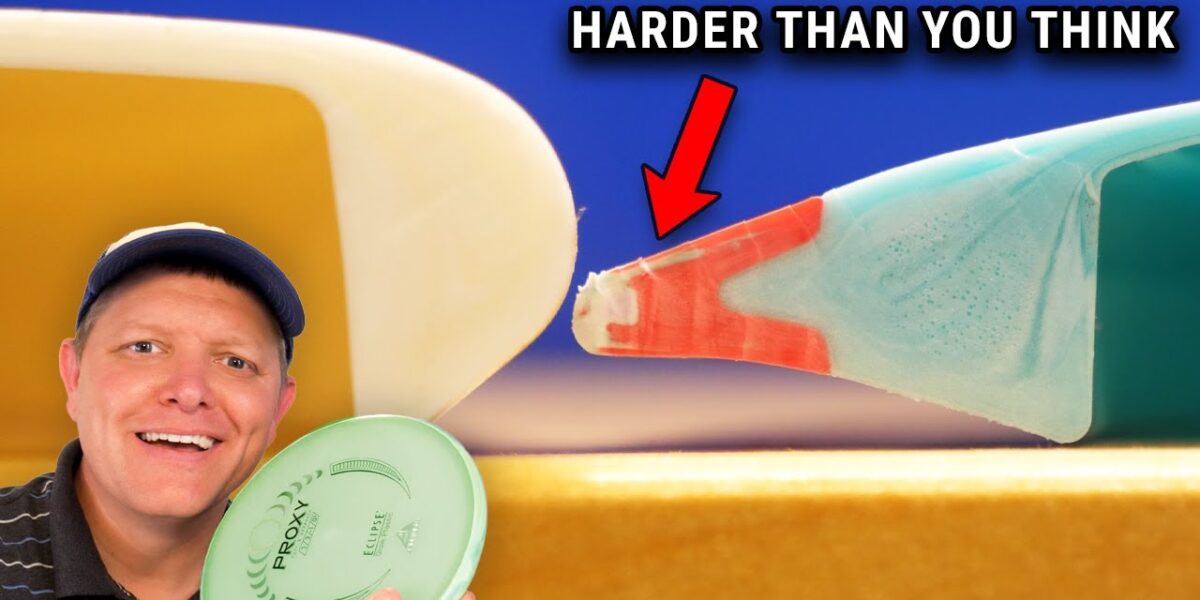
MVP Disc Sports, founded in 2009 by brothers Brad and Chad Richardson, has carved a unique niche in the disc golf market with its signature “overmold” technology. This innovative design features a distinct rim made of a different plastic compound fused to the main body of the disc. The initial spark for this idea came from a simple observation: traditional discs sometimes struggled to grip the chains of the basket. Experimenting with a rubber band around the rim to increase friction, the Richardsons envisioned a more permanent solution. This led to the development of discs with a “rubberized” outer perimeter, designed to enhance grip and stability. Over time, this concept evolved, incorporating heavier materials in the rim to influence the disc’s Moment of Inertia (MOI), a key factor in its flight stability and predictability. The pursuit of increasing MOI, alongside grip and durability, remains a core tenet of MVP’s design philosophy.
The Material Transformation: From Granules to Molten Plastic
The journey begins with raw plastic granules, primarily sourced from American manufacturers. These pellets, often exhibiting a rubbery pliability, are the fundamental building blocks. A critical initial step is drying these granules. Many plastics, particularly polyurethanes used in disc manufacturing, are hygroscopic, meaning they readily absorb moisture from the air. This moisture is detrimental to the injection molding process, as it can lead to defects in the final product. MVP has engineered an automated material handling system, reminiscent of high-tech beverage dispensers, that transports the granules to a sophisticated drying system. Hot air circulates through the plastic, meticulously removing moisture before it enters the next stage. This drying process is carefully controlled, with temperature and time adjusted based on the specific plastic and the rate of consumption to ensure optimal conditions.
Injection Molding: The Heart of Disc Creation
Once dried, the plastic is fed into injection molding machines. This process involves a reciprocating screw mechanism that melts the plastic through a combination of external barrel heating and internal friction and shear generated by the rotating screw. As the screw turns, it pushes the plastic pellets forward, compressing them and generating heat. The increasing diameter of the screw flights further enhances this shear and mixing action, effectively melting the plastic into a homogeneous, molten state. This molten plastic is then injected under high pressure into a precisely machined metal mold. For MVP’s signature overmolded discs, this process is often a two-stage affair: first, the inner core of the disc is molded, and then this core is placed into a second mold where the outer rim is injected around it.
The Mold and the Cooling Cycle
The injection molds themselves are intricate pieces of engineering, typically made from steel or aluminum. They consist of two halves that come together to form the cavity of the disc. After the molten plastic is injected, it fills the mold cavity, taking on the exact shape of the desired disc. Crucially, the mold is actively cooled, usually with chilled water circulating through channels within the mold plates. This rapid cooling solidifies the plastic, a process known as dwell time, allowing the part to be ejected. The efficiency of heat exchange is paramount, and turbulent flow of the cooling water is preferred over laminar flow for optimal temperature regulation, much like the principles seen in rocket engine cooling systems.
Robotics and Automation: The Future of Manufacturing
MVP Disc Sports heavily utilizes robotics and automation to streamline its production. After a disc is molded, robotic arms often take over, transferring the hot plastic parts from one stage to the next. These sophisticated cells are equipped with sensors and precision end effectors, some featuring suction cups and pneumatic cylinders designed to handle the discs gently yet efficiently. The integration of collaborative robots, or “cobots,” is particularly noteworthy. These robots are designed with force-sensing capabilities, allowing them to operate safely alongside human workers without extensive guarding, significantly enhancing workplace flexibility and safety.
Finishing Touches: Trimming, Weight Marking, and Artistry
Once molded, discs often require finishing. A “flash trimmer” machine, equipped with a ceramic blade, precisely removes any excess plastic material (flash) that may have squeezed out during the injection process. This machine also trims a specialized groove that facilitates the subsequent overmolding process. Following trimming, a laser marking system etches the disc’s weight in grams directly onto its surface. This is achieved by communicating with an integrated scale and controller, allowing for precise weight identification. The artistry of the disc is then applied through various methods. For single-color graphics, a heat-activated foil transfer process is used, where a graphic is pressed onto the disc with heat and pressure. MVP has also developed proprietary multi-color printing technologies, enabling intricate and varied designs that allow players to emotionally connect with their equipment. The ability to endlessly vary color combinations and designs is a significant aspect of MVP’s appeal.
Sustainability and Quality Control
Sustainability is a core value at MVP. The company has implemented a robust recycling program, where waste plastic material is reground and repurposed into their “R2” (Recycled) line of discs. This commitment extends to even recycling dust, minimizing landfill waste. Quality control is maintained throughout the process, with geometric measurements ensuring the correct leading edge and overall flight characteristics. The company also emphasizes its capacity to rapidly scale production, a vital capability in a sport prone to explosive growth spurts, such as the surge following James Conrad’s historic putt at the 2021 World Championships, which significantly boosted disc golf’s visibility.
What Comes Next?
The continuous innovation in materials, molding techniques, and automation suggests that disc golf discs will only become more refined. Future advancements may lead to even greater control over flight paths, enhanced durability, and more personalized designs. The dedication to sustainability and efficient manufacturing practices ensures that the sport can continue to grow responsibly. As the sport expands, the engineering and artistry behind each disc will remain a critical, albeit often unseen, element of the player’s experience, transforming a simple piece of plastic into a finely tuned instrument of sport.
Source: How Disc Golf Discs Are Made (MVP Manufacturing Tour) – Smarter Every Day 301 (YouTube)

Related Articles


Robots Greet German Chancellor in China Amid Trade Tensions
German Chancellor Friedrich Merz was greeted by dancing and boxing robots in Hangzhou, China, a high-tech display amidst rising trade tensions. The visit highlights China's technological ambitions and the complex economic challenges facing German industry.


Smarter Scrubber: An American Manufacturing Renaissance?
An experiment to manufacture a grill scrubber in the USA reveals the immense challenges and critical importance of rebuilding domestic manufacturing capabilities, from sourcing components to the vital tool and die industry.


Tesla’s S and X Era Ends as Robots Take Center Stage
Tesla is reportedly shifting production focus away from the Model S and Model X to allocate resources towards its ambitious humanoid robot projects. This move marks the end of an era for the company's foundational luxury EVs, which pioneered the modern electric car landscape.