Diplomatic Deadlock and Escalating Tensions: Europe Doubts Immediate Peace as Russia Bypasses Sanctions and Nuclear Fears Grow
Amidst diplomatic deadlock, European intelligence agencies express deep skepticism about an immediate peace in the Ukraine conflict, contrasting with some U.S. optimism. Meanwhile, Russia continues to bypass billions in sanctions, fueling its war machine, while Europe intensifies discussions around its own nuclear capabilities, reflecting profound shifts in global security perceptions.

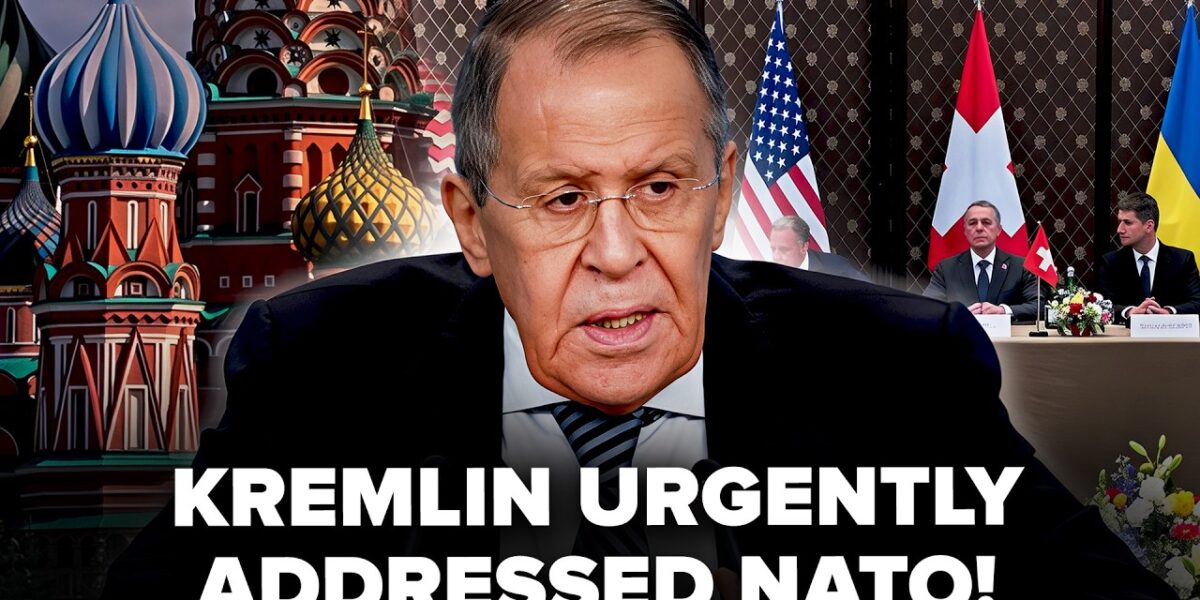
Diplomatic Deadlock and Escalating Tensions: Europe Doubts Immediate Peace as Russia Bypasses Sanctions and Nuclear Fears Grow
The pursuit of peace in the protracted conflict between Russia and Ukraine remains fraught with skepticism and geopolitical complexities, as recent Geneva talks conclude with little tangible progress. European intelligence agencies express profound pessimism about a swift resolution, contrasting sharply with optimistic pronouncements from some U.S. political figures. Meanwhile, Russia continues to demonstrate an alarming resilience in circumventing international sanctions, fueling its war machine with critical technology, while discussions around European nuclear capabilities intensify, underscoring a continent grappling with an uncertain security future.
The latest round of trilateral negotiations involving the U.S., Russia, and Ukraine in Geneva, intended to pave a path towards de-escalation, has instead highlighted deep-seated divisions and conflicting agendas. As the conflict grinds on, the international community finds itself at a critical juncture, navigating a landscape defined by diplomatic impasse, strategic recalibrations within NATO, and an ongoing struggle to curtail Moscow’s military-industrial complex.
Diplomatic Crossroads: Geneva Talks Under Scrutiny
Skepticism Overshadows Peace Prospects
The notion of a rapid cessation of hostilities has been largely dismissed by senior European intelligence officials. Leaders of intelligence services from five European countries, speaking anonymously to Reuters, conveyed a starkly pessimistic outlook on the chances of reaching a ceasefire agreement this year. This assessment directly contradicts claims made by former U.S. President Donald Trump, who suggested that U.S.-brokered talks had brought the prospect of a peace deal closer. The intelligence chiefs believe Russia is not genuinely interested in ending the war quickly. Instead, four of these officials noted that Moscow appears to be leveraging U.S.-brokered talks primarily to push for sanctions relief and advantageous business deals, rather than a sincere commitment to peace. They characterized the most recent negotiations in Geneva as ‘stalling tactics,’ underscoring a significant divergence in perception and strategy between European capitals and elements within the White House.
This stark difference in approach highlights the intricate web of domestic and international pressures influencing the conflict. The White House, according to Ukrainian sources, is reportedly aiming to secure a peace deal by June, a timeline potentially influenced by the upcoming U.S. midterm elections. Donald Trump’s assertion that Vladimir Putin desires an agreement further complicates the narrative, suggesting a political imperative that may not align with the realities on the ground. A key problem, as articulated by one intelligence chief, is Russia’s perceived lack of desire or need for a quick peace, bolstered by an economy that is not, in their view, on the brink of collapse. While the methods of intelligence gathering were not specified, agencies typically rely on a combination of human sources, intercepted communications, and technical surveillance, with Russia consistently identified as a top priority for intelligence efforts.
The intelligence community’s assessment points to Russia’s broader strategic objectives. One official suggested that while Russia might be territorially satisfied by securing the remainder of the Donetsk region, such a concession would not achieve its overarching goal: the overthrow of Ukraine’s pro-Western government. Another official cautioned that even a Ukrainian concession of Donetsk would be unlikely to lead rapidly to a comprehensive peace deal, indicating the depth of the ideological and geopolitical chasm between the warring parties. Furthermore, top intelligence officials expressed concern over the limited negotiation skills demonstrated by Western Europe, including the European side, which Ukrainian President Volodymyr Zelenskyy has suggested should play a more active role in the talks. This critique underscores a broader sentiment that Europe needs to assert itself more forcefully in diplomatic efforts, rather than relying solely on U.S. mediation.
Russia’s Unyielding Stance and “Root Causes”
Moscow’s diplomatic rhetoric consistently frames the conflict within a narrative of historical grievances and perceived security threats. Russian Foreign Minister Sergey Lavrov, following the Geneva talks, reiterated Russia’s focus on addressing the ‘root causes’ of the conflict. He referenced an ‘Alaska understanding’ between Putin and Trump from a previous year, which he claimed was based on acknowledging these root causes. According to Lavrov, these include the imperative of ‘no NATO membership’ for Ukraine and a refusal to ‘refute the decision of the people in Donbas’ who, under conditions of what Moscow describes as ‘complete discrimination’ by the Kyiv regime, expressed a wish to return to the Russian Federation. This narrative positions Russia not as the aggressor, but as a party seeking to rectify historical injustices and secure its legitimate security interests, a claim vehemently rejected by Ukraine and its Western allies.
Lavrov further stated that Russia and the U.S. had agreed to establish a separate economic working group, operating in parallel with ongoing military and political discussions. This move suggests Russia’s continued efforts to disentangle economic relations from the broader geopolitical conflict, potentially seeking avenues for sanctions relief or new trade agreements. He also acknowledged and valued President Trump’s position on resolving the situation, while simultaneously accusing European entities and Ukraine of deliberately delaying peace. Lavrov claimed that the current security guarantees being offered to Kyiv are explicitly ‘framed against Russia,’ implying that Europe intends to maintain Ukraine as an adversarial state. He cited slogans from a Munich conference, interpreted as a unified European stance that ‘Russia is the enemy, and Ukraine must finish off Russia,’ and singled out Finnish President Stub for endorsing this view, portraying him as a ‘neo-Nazi aligned leader.’ This rhetoric serves to demonize European and Ukrainian leadership, justifying Russia’s continued military actions and diplomatic intransigence.
The Kremlin, while holding back from directly commenting on President Zelenskyy’s initiative to meet with Russian President Vladimir Putin, indicated that it was too early to assess the results of the Geneva negotiations. Dmitry Peskov, Putin’s press secretary, confirmed that direct reports were being sent to Putin, but that any official information would come from Russia’s chief negotiator, Vladimir Medinsky. This cautious approach signals Moscow’s deliberate pace, reflecting the intelligence assessment that Russia is not rushing towards a quick peace and is prepared to play a long game, using diplomatic channels to advance its own strategic objectives rather than genuinely seeking a rapid end to hostilities.
Ukraine’s Call for Concrete Results and European Engagement
Ukrainian President Volodymyr Zelenskyy, in his evening video address, confirmed detailed discussions with his negotiating team in Geneva and expressed expectations for the next meeting to occur in February. Zelenskyy emphasized Ukraine’s strong interest in achieving concrete results, particularly on the humanitarian track, including prisoner exchanges and the release of civilians. He acknowledged that while some military issues were discussed seriously, ‘sensitive political matters, questions about possible compromises and the necessary meeting of leaders have not yet been sufficiently addressed.’ This highlights Ukraine’s focus on practical outcomes and its frustration with the slow pace of political concessions.
Crucially, Zelenskyy underscored the importance of European involvement in the process, noting the presence of France, the United Kingdom, Germany, Italy, and Switzerland as the host nation. He reiterated Ukraine’s consistent promotion of the position that Europe should be actively engaged, and expressed gratitude to the United States for heeding this stance. This push for broader European participation reflects Ukraine’s desire for a diversified diplomatic front, recognizing the critical role European powers play in regional security and their vested interest in the conflict’s resolution. It also serves to counter Russia’s attempts to portray the conflict as solely a U.S.-Russia proxy war, emphasizing Ukraine’s sovereign agency and its European aspirations.
White House’s Cautious Optimism
In contrast to the European intelligence community’s pervasive skepticism, the White House conveyed a more optimistic assessment of the Geneva talks. White House spokeswoman Caroline Levit stated that during the third round of trilateral negotiations, delegations were able to ‘make headway and achieve tangible results.’ She reported that parties agreed to update their respective leaders, continue working towards a peace agreement, and schedule another round of negotiations. This measured optimism from the U.S. side suggests an ongoing commitment to diplomatic engagement, even if the progress is incremental. The underlying sentiment from the U.S. administration appears to be a desire to alleviate the burden of the war, not just on the combatants but also on the American taxpayer, implicitly linking the diplomatic efforts to domestic economic concerns.
The U.S. position, while acknowledging progress, also reflects a complex geopolitical calculus. The desire to see an end to the conflict is intertwined with broader strategic considerations, including the stability of Europe and the role of the U.S. as a global mediator. However, the disconnect between the White House’s public statements and the intelligence community’s private assessments underscores the challenges of navigating a conflict where narratives are highly contested and genuine intentions remain obscured. The White House’s emphasis on ‘meaningful progress’ could be interpreted as an attempt to maintain diplomatic momentum and demonstrate continued engagement, even as the path to a lasting peace remains elusive and fraught with obstacles.
The Unwavering Russian War Aims and NATO’s Evolving Role
Echoes of Pre-Invasion Ultimatums
Despite ongoing diplomatic efforts, Russian officials continue to signal that Moscow’s objectives extend far beyond mere territorial concessions, reaffirming their commitment to the original war goals. According to analysis from the Institute for the Study of War (ISW), Russia’s aims include undermining NATO and fundamentally altering the European security architecture. The Russian embassy in Belgium, on February 17th, issued a statement indicating Moscow’s intent to demand that NATO legally ban alliance expansion, echoing the draft treaty Russia prepared in December 2021, prior to its full-scale invasion of Ukraine. This draft treaty sought to limit NATO’s presence on its eastern flank and curb cooperation with countries that joined the alliance after 1997, including Ukraine.
Analysts at ISW stress that Kremlin officials show no willingness to compromise on these core regional war goals to achieve peace in Ukraine. This unwavering stance suggests that any diplomatic progress that does not address Russia’s foundational demands regarding NATO and its perceived sphere of influence will likely be viewed as insufficient by Moscow. The re-articulation of these pre-invasion ultimatums underscores the depth of Russia’s strategic ambitions and its long-term vision for a revised European security order, one that fundamentally challenges the existing post-Cold War framework.
US Realigns NATO’s Focus: A Shift Towards Euroatlantic Defense
Amidst these geopolitical tensions, the United States is reportedly pressuring NATO allies to refine the alliance’s focus, specifically by limiting the formal participation of Ukraine and Indo-Pacific partners at the annual summit scheduled for July in Ankara. Reports from Politico, citing its own sources, indicate that these moves reflect the White House’s desire to confine NATO’s role to a strictly Euroatlantic defense pact, scaling back decades of involvement in crisis management, global partnerships, and value-based initiatives. Diplomats suggest the U.S. is advocating against inviting Ukraine and four Indo-Pacific NATO partners—Australia, New Zealand, Japan, and South Korea—to official sessions during the summit, though these nations may still participate in related side events.
Part of the rationale behind this shift is to reduce the number of meetings during the summit and cut costs, particularly in an era of resource constraints. Furthermore, NATO has decided against holding its traditional public forum this year, which typically convenes state leaders, defense experts, and government officials for panel discussions. Instead, a NATO defense industry forum will take place on the sidelines of the summit. Diplomats speculate that this decision may also reflect U.S. pressure and a broader Washington campaign to reduce funding for international organizations. Officials emphasize the critical importance of NATO transparently communicating its actions and plans to the public, especially as the alliance seeks to justify increased defense spending in the current geopolitical climate. This strategic realignment by the U.S. could signify a more insular and cost-conscious approach to NATO, potentially impacting its global outreach and partnerships at a time when collective security challenges are more interconnected than ever.
Europe’s Security Reimagined: The Nuclear Question
A Continent Contemplates Nuclear Deterrence
The war in Ukraine has dramatically reshaped Europe’s security landscape, triggering intense discussions about establishing an independent European nuclear capability. This debate is fueled by a growing perception that the United States, whose nuclear weapons are currently stationed on the continent under a nuclear-sharing agreement, is becoming an increasingly unreliable military partner. This sentiment, though not universally shared, has spurred a re-evaluation of Europe’s long-term defense posture and its reliance on external powers for ultimate security guarantees. Currently, only the United Kingdom and France possess nuclear weapons in Europe, making them central to any discussions about a collective European deterrent.
The contemplation of an EU-centric nuclear defense system signifies a profound shift in European strategic thinking. For decades, the transatlantic alliance, underpinned by the U.S. nuclear umbrella, has been the cornerstone of European security. However, the current geopolitical climate, coupled with concerns about future U.S. commitment, has prompted European leaders to explore options that would enhance strategic autonomy. Such a development would have far-reaching implications for global non-proliferation efforts, the structure of NATO, and Europe’s role as a geopolitical actor.
Eastern Flank Readiness: Estonia’s Bold Stance
Among the most vocal proponents of a strengthened European defense, particularly in the context of nuclear deterrence, is Estonia. Sharing a 334-kilometer land border with Russia, Estonia occupies a critical position on NATO’s eastern flank and views the threat from Moscow with particular gravity. Estonian Foreign Minister Margus Tsahkna confirmed his country’s readiness to host NATO’s allied nuclear weapons on its territory, stating, ‘We are not opposed to the deployment of nuclear weapons on our territory. We do not have a doctrine that would rule this out if NATO deems it necessary to place, for example, nuclear weapons on our territory in accordance with our defense plans.’ This bold declaration underscores Estonia’s commitment to collective defense and its willingness to take significant steps to bolster deterrence against potential aggression.
Further demonstrating this resolve, in September 2025, Estonian Defense Minister Hanno Pevkur also announced the country’s preparedness to host British fighter jets capable of carrying nuclear warheads. These statements from a frontline NATO member highlight the increasing urgency felt by Eastern European nations to enhance their defensive capabilities and signal a robust deterrence posture to Russia. The willingness to host nuclear assets, traditionally a highly sensitive political issue, reflects the profound shift in security perceptions in the region, prioritizing national and alliance security over previous diplomatic sensitivities.
Divergent Views and Strategic Debates
While some European nations, like Estonia, are openly embracing enhanced nuclear deterrence, others exhibit more nuanced or critical perspectives. Polish President Andrzej Duda has indicated plans for Poland to begin developing its own nuclear defense system, a move that would represent a significant escalation in the regional arms race and a departure from its current non-nuclear status. This ambition reflects Poland’s deep-seated security concerns and its desire for a more independent and robust deterrent capability against potential threats from the east.
In contrast, Belgian Defense Minister Ludivine Dedonder criticized European leaders for what she perceived as ‘loose-lipped’ discussions about nuclear weapons. Responding to a podcast by German Chancellor Friedrich Merz, Dedonder cautioned against overly public pronouncements on such sensitive strategic matters, stating, ‘Please keep your mouth shut.’ Her comments underscore the delicate nature of nuclear deterrence, where discretion and ambiguity are often considered key components of effective strategy. Belgium, which participates in the U.S. nuclear sharing program with its air force capable of carrying American nuclear bombs, likely advocates for a more coordinated and less public approach to nuclear policy within NATO.
Germany, a key economic and political power in Europe, has also weighed in on the debate. Chancellor Merz, while ruling out Germany developing its own nuclear weapons, noted the potential for German fighter jets to carry French and British nuclear warheads. This position aligns with Germany’s historical commitment to non-proliferation while simultaneously exploring avenues to enhance its role in collective deterrence. Like Belgium, Germany also participates in the U.S. nuclear sharing program, demonstrating its existing role in NATO’s nuclear posture. The varied responses across Europe reflect the complex interplay of national interests, historical legacies, and differing strategic philosophies within the broader context of a continent grappling with its security future.
The Shadow Economy of War: Russia’s Sanctions Evasion Network
Billions Funneled Through Intermediaries
Despite comprehensive international sanctions imposed after its full-scale invasion of Ukraine, Russia has demonstrated remarkable ingenuity in circumventing these restrictions, securing nearly $22 billion worth of sanctioned goods through intermediaries in 2024. An investigation by The Insider revealed that over 300 Russian intermediary companies facilitated these imports. Approximately $1 billion of this illicit trade directly supported Russia’s defense industry, providing crucial components for its ongoing war effort. These vital imports include components for drones, microchips, and sensors for military vehicles, as well as various electronic parts and batteries. The origin countries for these critical technologies span across major global economies, including Japan, South Korea, Germany, and Switzerland, highlighting the global challenge of enforcing sanctions effectively.
The scale of this sanctions evasion network underscores a significant weakness in the international community’s efforts to cripple Russia’s military-industrial complex. The ability to procure such substantial quantities of restricted goods from technologically advanced nations indicates a sophisticated and adaptive procurement strategy. This illicit trade not only sustains Russia’s capacity to wage war but also demonstrates the global reach and interconnectedness of supply chains, making it exceedingly difficult to hermetically seal off a major economy like Russia’s. The continued flow of these components directly translates into Russia’s ability to replenish its arsenal, develop new weapons systems, and sustain its military operations in Ukraine, thereby prolonging the conflict.
A Multi-Layered System of Procurement
The investigation identified four primary groups of companies involved in supplying Russia’s defense industry with sanctioned goods. The first group comprises older, state-owned military factories that, in exceptional cases, directly purchase sanctioned goods without intermediaries. Examples include the United Aircraft Corporation, the Ural Optical-Mechanical Plant, and the Kazan Helicopter Plant, entities deeply embedded in Russia’s defense apparatus. Their direct involvement suggests a level of state-sanctioned circumvention, leveraging established international connections where possible.
The second group consists of industrial giants producing heavy products such as steel, iron, aluminum, and petroleum. These companies are indispensable to Russia’s defense industry but often operate independently of the military sector. Crucially, most of these industrial behemoths have not been subjected to Western sanctions, despite their regular supplies to Russia’s defense complex. This loophole allows foundational industries to continue operating relatively unhindered, providing the raw materials and basic components necessary for military production, thereby indirectly supporting the war effort without direct sanction pressure.
The third group, identified as the most interesting by The Insider, includes subcontractor companies that supply Russia with components made using Western technology. These private importers are critical for the defense sector, as they procure specialized parts and technologies that Russia cannot produce domestically. If sanctioned, these companies would be forced to rely entirely on intermediaries, significantly complicating their operations and increasing costs. This group represents a crucial node in Russia’s technological supply chain, making it a prime target for more precise and effective sanctions enforcement.
The fourth and largest group comprises reseller companies. Of particular interest for sanctions are those whose import turnover closely matches their transactions with the defense industry. The investigation found that medium and small resellers are currently largely unaffected by Western sanctions. This vast network of smaller entities provides a flexible and difficult-to-track conduit for sanctioned goods, allowing Russia to diversify its procurement channels and obscure the ultimate destination of critical components. The sheer number of these resellers, coupled with their relatively low profile, makes them challenging targets for international enforcement agencies, enabling a continuous flow of essential items into Russia’s military supply chain.
The Enduring Challenge for Western Sanctions
The revelations about Russia’s sophisticated sanctions evasion network highlight the enduring challenge for the United States and other Western countries. Despite imposing a comprehensive series of sanctions aimed at limiting Moscow’s ability to wage war and cutting off its access to Western technology, Russia continues to find effective ways to circumvent these restrictions. This ongoing circumvention has profound implications for the effectiveness of economic warfare as a tool of foreign policy. It suggests that sanctions, while impactful, are not a silver bullet and require continuous adaptation, intelligence gathering, and international cooperation to remain effective.
The ability of Russia to obtain critical components for drones, microchips, and advanced electronics from Western and allied nations directly impacts the trajectory of the conflict in Ukraine. It enables Russia to sustain its military operations, replenish its stockpiles of precision-guided munitions, and even develop new military capabilities. For Western policymakers, this situation necessitates a re-evaluation of current sanctions regimes, a strengthening of enforcement mechanisms, and a concerted effort to target the intermediary networks and financial facilitators that enable this illicit trade. The long-term implications extend beyond the immediate conflict, raising questions about the resilience of authoritarian regimes to economic pressure and the complexities of controlling technology flows in a globalized world.
The path to peace in Ukraine remains elusive, overshadowed by a complex interplay of diplomatic deadlock, deep-seated geopolitical mistrust, and the pragmatic realities of a war sustained by resilient supply chains. As European nations grapple with their future security architecture, and the U.S. re-evaluates its global commitments, the conflict continues to reshape international relations, underscoring the urgent need for a cohesive and effective strategy to address Russia’s aggression and secure a lasting peace.
Source: 😱You won’t believe what Lavrov started talking about! Moscow appealed to US. Kremlin messed up (YouTube)

Related Articles
Trump’s Putin Stance: US Strategy and Global Implications
Analysis suggests Donald Trump's approach to the Ukraine war involves pressuring Kyiv, but US involvement is crucial for resolution. China's influence and the 'MAGA' agenda's geopolitical implications are key factors.

Melania Trump’s Quiet Diplomacy on Ukraine War
Former First Lady Melania Trump has emerged as an influential, though unofficial, voice on the Ukraine war, reportedly shaping her husband's perceptions and engaging directly on humanitarian issues like the deportation of Ukrainian children. Her advocacy, possibly influenced by her European background, has drawn international attention and sparked unique reactions, including widespread social media support from Ukrainians.
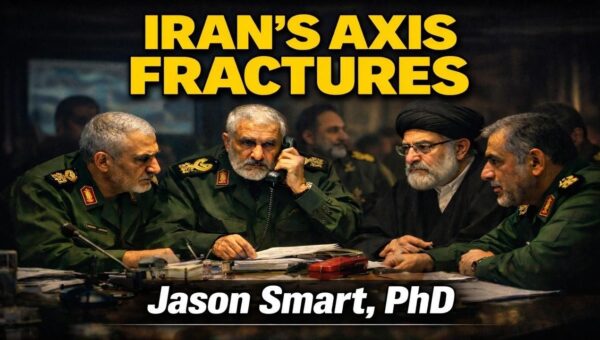
Iran’s Regime Under Siege: Attacks Cripple Leadership, Impact Russia
Iran's regime is reportedly facing critical blows from targeted attacks, crippling its leadership and severing a vital military supply line to Russia. This dual pressure is significantly impacting Russia's war efforts in Ukraine, while internal dissent grows within Iran.