DHS Workers Unpaid Amid Political Standoff
Tens of thousands of federal workers, including TSA and FEMA staff, are going without pay due to a political stalemate over DHS funding. Democrats are reportedly blocking the bill, seeking changes to immigration policies, while Republicans cite concessions made. The situation raises concerns about government operations and potential economic disruptions.

DHS Workers Unpaid Amid Political Standoff
Tens of thousands of federal employees across agencies like the Transportation Security Administration (TSA), Federal Emergency Management Agency (FEMA), Coast Guard, and Secret Service have gone without paychecks for significant portions of the year. This situation stems from a political dispute over funding for the Department of Homeland Security (DHS), with some Democrats reportedly refusing to approve funding unless certain immigration policies are changed.
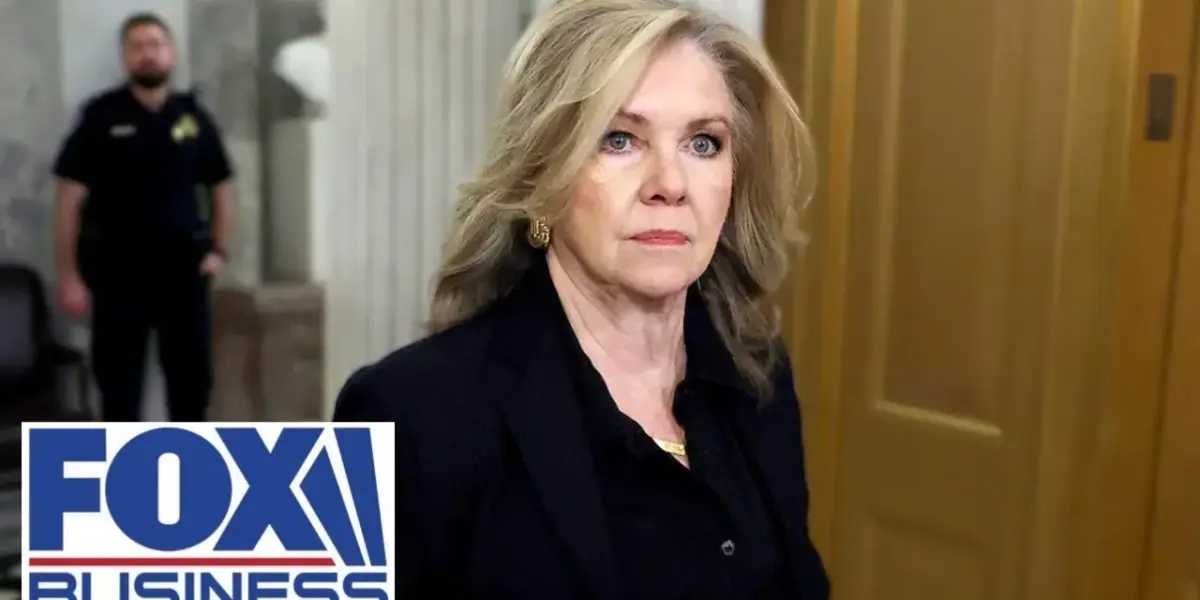
Senator Marsha Blackburn highlighted the dire consequences for these essential workers. She stated that TSA acting administrators have reported employees selling plasma, sleeping in their cars, and struggling to make ends meet. This is a stark reality for many, as DHS has reportedly been without a budget for 46% of the year.
Democrats’ Stance on DHS Funding
According to Senator Blackburn, Democrats have voted multiple times, seven times in total, against funding for the TSA and DHS. She expressed frustration that Democrats are unwilling to negotiate on the funding bill, suggesting that some may be using these government workers and the American people as “pawns” in a larger political strategy. The senator indicated that a key part of this strategy might be the desire to abolish U.S. Immigration and Customs Enforcement (ICE) and defund federal law enforcement agencies.
The White House, under President Trump, and Republicans have reportedly made numerous concessions to reach an agreement. These concessions include ending specific immigration enforcement actions, such as the Minnesota search initiative, and altering policies related to roaming patrols, body cameras, and detention facilities. They have also changed policies concerning how law enforcement interacts with protesters and handles the detention of individuals. Despite these efforts, the stalemate continues.
ICE’s Role and Federal Law Enforcement Success
Senator Blackburn pushed back against the notion that ICE is not helpful, pointing to instances where ICE agents have assisted at airports like Atlanta. These agents have helped manage passenger lines and provided support, demonstrating their role in facilitating smooth operations. She also cited the success of federal law enforcement collaboration in Memphis, Tennessee.
“The crime rate in Memphis has been cut by 30% since the task force went into effect less than six months ago.”
This Memphis initiative, a partnership between local, state, and federal agencies, has been highly effective. With 32 federal agencies involved on the ground, the crime rate in Memphis has fallen to its lowest point in over a century. This success occurred even with a Democratic mayor and police chief working alongside federal partners, showcasing the power of inter-agency cooperation to reduce crime.
Market Impact and What Investors Should Know
The ongoing political standoff over DHS funding creates uncertainty for federal employees and could have ripple effects across various sectors. While the direct market impact might not be immediately visible, prolonged government shutdowns or funding gaps can disrupt services and affect economic activity. Investors often view such instability as a risk factor.
The situation highlights the importance of government stability for economic operations. Agencies like the TSA are critical for travel and commerce, while FEMA and the Coast Guard play vital roles in national security and disaster response. Any disruption to their operations, even if temporary, can lead to delays and increased costs in related industries. For example, disruptions at airports could impact airline and tourism stocks.
Furthermore, the debate over immigration policy and law enforcement funding touches on broader economic and social issues. Changes in immigration enforcement or the operational capacity of agencies like ICE can influence labor markets and business operations, particularly in sectors that rely on immigrant labor. Investors keeping an eye on these policy debates should consider how potential changes could affect specific industries and companies.
The success story in Memphis, demonstrating effective collaboration between different levels of government and law enforcement, offers a potential model for addressing complex challenges. It suggests that cooperation can lead to tangible positive outcomes, which could indirectly benefit the economy by improving safety and stability in communities.
Looking ahead, the resolution of this funding dispute will be crucial. A swift resolution would restore confidence and ensure the continued operation of essential government services. A prolonged battle, however, could signal deeper divisions and potentially lead to more frequent disruptions, creating a more challenging environment for businesses and investors alike.
Source: Sen Marsha Blackburn: They are USING Americans as PAWNS (YouTube)

Related Articles
TSA Workers Get Paid After Record Absences
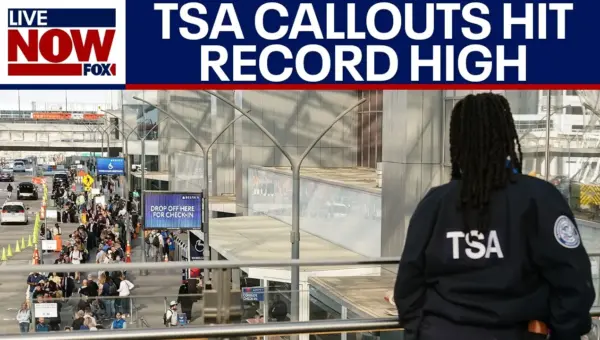
TSA agents will finally receive paychecks after working nearly six weeks without salary, following a directive from President Trump. Record high absences had strained airport operations and caused significant passenger delays. The situation has sparked calls for better protections for essential workers during government shutdowns.

House Republicans Reject Senate Deal, Sparking Government Funding Clash
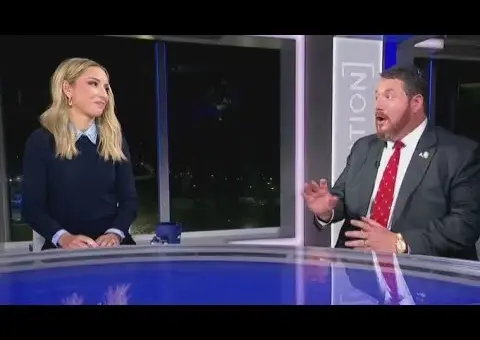
House Republicans have rejected a Senate bill to end the government shutdown, citing insufficient border security measures. Congressman Randy Fine called the Senate deal a "disgrace" and highlighted the ongoing fight for full government funding. President Trump's executive order to pay TSA agents offers temporary relief, but the core disagreement over border security continues to paralyze Washington.


Tiger Woods Arrested for DUI After Crash
Golf legend Tiger Woods was arrested for DUI in Florida following a dramatic rollover crash. Meanwhile, a government shutdown continues as House Republicans block a Senate deal, leading to airport chaos and TSA worker pay issues. The stock market also plummeted into correction territory amid fears of a prolonged Iran conflict.