Desert Terrain Hinders Search for Missing Woman
The search for 84-year-old Nancy Guthrie in Arizona's Catalina Foothills is hampered by rugged, unforgiving desert terrain. Investigators face challenges from steep rocks, dense vegetation, and wildlife, making traditional search methods difficult and highlighting the need for specialized skills and ground efforts.

Desert Terrain Hinders Search for Missing Woman
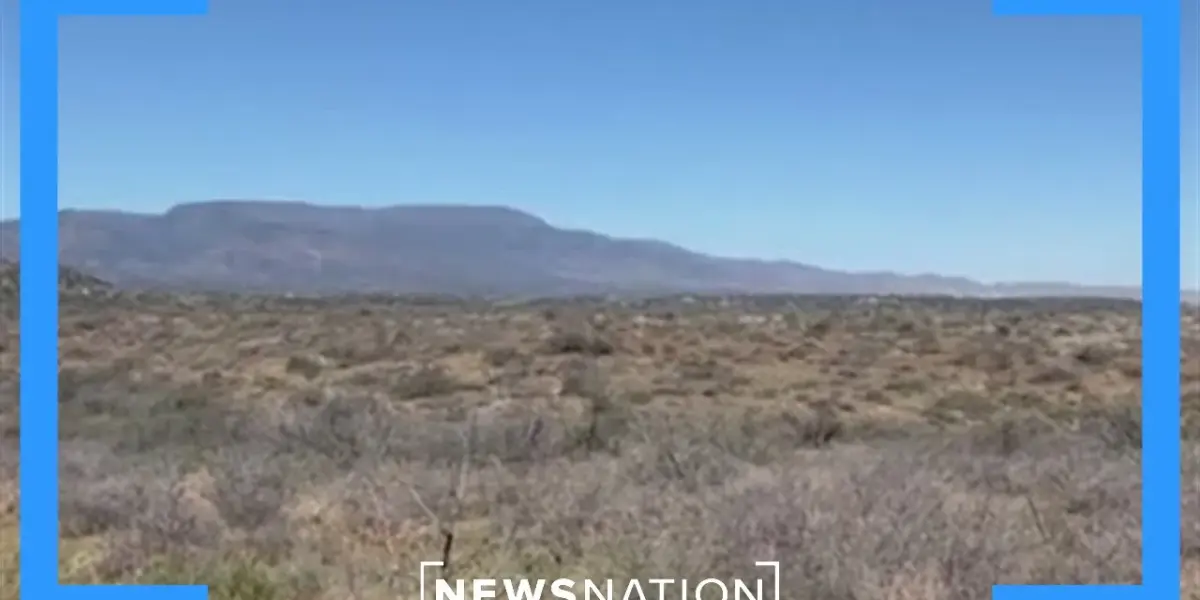
The search for 84-year-old Nancy Guthrie has entered a difficult phase, with time possibly working against investigators. Guthrie vanished from her home in the Catalina Foothills near Tucson over seven weeks ago. The area is known for its steep, rocky terrain and desert plants, making the search challenging.
Investigator Sheryl McCollum recently visited the area to understand the difficulties investigators face. She described the terrain as “unforgiving.” The plants can be sharp, and the area is home to rattlesnakes, bobcats, and even black bears. The ground is rocky and uneven, making it hard to move around. Streams also cut through the land, adding another obstacle.
Challenges for Search Teams
- Difficult Terrain: Steep rocks, uneven ground, and dense vegetation make it hard for search teams to cover ground effectively.
- Limited Access: Large properties and limited entry points mean investigators can’t easily check every spot.
- Environmental Factors: Rising spring and summer temperatures will make the desert even hotter. Heat, wind, and wildlife can damage or move evidence, making it harder to find.
- Visibility Issues: Thick plants can block the view, making it difficult to spot anything out of the ordinary.
Technology vs. Ground Efforts
While drones and dogs have been used, McCollum believes technology is not enough in this environment. She stressed the need for “boots on the ground” and people searching areas closely. Even small items like a bedroom slipper, jewelry, or a shell casing can be easily missed. The natural colors of the rocks, dirt, and plants can make non-native items blend in and become part of the landscape.
Wildlife also poses a significant problem for evidence. Animals can quickly scatter or consume remains, meaning evidence could disappear in a matter of days, not weeks. This is especially true in such a vast and active environment.
Potential Solutions and Next Steps
McCollum suggested that law enforcement should consider help from groups like the Cajun Navy. These groups are experienced in searching all types of terrain and use horses and ATVs. She questioned why such skilled volunteers, who know how to search difficult areas, would be turned away. Utilizing their expertise could help cover more ground and potentially find new clues.
Despite efforts like DNA testing, video analysis, and thousands of tips, there have been no reported suspects or clear breakthroughs in the case. The ongoing investigation continues to face the tough reality of the unforgiving desert landscape.
Global Impact
This case highlights a common challenge in many parts of the world: the difficulty of conducting thorough searches in remote or harsh natural environments. Whether it’s dense jungles, vast deserts, or rugged mountains, the landscape itself can become a major obstacle in criminal investigations. The incident also brings attention to the value of community volunteer groups in assisting official search efforts, especially when specialized skills are required.
Historical Context
The use of volunteers in search and rescue operations is not new. Historically, local communities have often banded together to help find missing persons, especially in rural or isolated areas. The mention of the Cajun Navy specifically recalls their role in assisting with disaster relief efforts, such as after Hurricane Katrina, demonstrating their capability in challenging environments.
Economic Leverage
While not directly applicable to this specific missing person case, the mention of difficult terrain and the need for specialized search skills touches upon broader issues of resource allocation. In criminal investigations, the cost and difficulty of searching vast or inaccessible areas can impact the resources dedicated to a case. This can indirectly influence how cases are prioritized and investigated, particularly when compared to investigations in more urban or easily accessible settings.
Regional Alliances and Power Balances
The suggestion to involve groups like the Cajun Navy points to the informal networks and regional capabilities that can be mobilized. While not a formal international alliance, it represents a type of cooperation based on shared skills and a common goal. This highlights how non-governmental or specialized civilian groups can play a crucial role alongside official law enforcement, especially when facing unique environmental challenges.
Future Scenarios
One scenario is that continued efforts with current methods may eventually yield results, though the difficult terrain makes this less likely. Another possibility is that bringing in specialized volunteer groups could significantly accelerate the search and lead to a breakthrough. Without a breakthrough, the case could remain unsolved, a common outcome for missing persons in challenging environments.
Source: Terrain around Nancy Guthrie’s home ‘unforgiving’ for authorities: Investigator | Jesse Weber Live (YouTube)

Related Articles


Cold Case Fears Mount in Nancy Guthrie Abduction
Investigators are working to prevent the abduction of 84-year-old Nancy Guthrie from becoming a cold case. Despite 55 days passing, a former detective believes ongoing leads, digital evidence, and potential DNA testing keep the investigation active. The public release of ransom notes and the use of genetic genealogy are being considered as crucial steps to finding her.


Anchor’s Pain Mirrors Nation’s Grief
The abduction and suspected murder of Nancy Guthrie, mother of Today show host Savannah Guthrie, has brought the family's private pain into the public eye. Guthrie recently shared details of the ongoing investigation, highlighting the emotional toll and the community's connection to her struggle.


Guthrie Shares Harrowing Details of Mother’s Kidnapping
Savannah Guthrie has shared new details about her mother Nancy's kidnapping, revealing the moment she learned of the abduction and the possibility her fame played a role. The interview details new evidence from the crime scene and the family's struggle with grief and faith.