Denver Housing Market Faces Steep Drop
Denver's housing market is facing a significant downturn, with home sales at a 10-year low and inventory surging. Rising prices have eroded affordability, prompting an exodus of residents. Experts predict further price drops, marking a potential major correction for the city.


Denver Home Sales Plummet Amid Affordability Crisis
The Denver housing market is experiencing a dramatic slowdown, with home sales hitting their lowest point in a decade. This sharp decline is fueled by a growing affordability crisis and a surprising wave of people leaving the state, creating a significant increase in available homes for sale. Experts warn this could lead to the most substantial housing market correction Denver has ever witnessed.
Record Low Sales and Rising Inventory
Realtors in Denver are reporting a significant drop in home sales. Data shows sales activity has collapsed to levels not seen in ten years. At the same time, the number of homes available for purchase is piling up. Currently, over 8,000 homes are listed for sale in the Denver metro area, according to Reventure App. This surge in inventory is a direct result of fewer buyers being able to afford homes in the area.
The Affordability Problem
The primary driver behind Denver’s housing market struggles is its soaring cost. Over the past ten years, Denver’s home prices have risen dramatically, making it increasingly out of reach for many residents. This rapid price increase has made the city’s housing market resemble those found in expensive California cities. The lack of affordable housing options is pushing people away and cooling down buyer demand significantly.
Migration Out of Colorado
Adding to the market pressure, Colorado is seeing a net outflow of residents. Projections for 2025 indicate that over 12,000 more people are expected to leave the state than move in. This migration exodus means fewer potential buyers entering the market. It also contributes to the growing inventory as people sell their homes to relocate, further straining the market dynamics.
Price Declines and Future Forecasts
Denver’s housing market has already seen a noticeable dip in property values. Since reaching its peak, home prices in Denver have fallen by more than 7%. This is a significant drop, though less severe than the 12% decline seen during the 2008 downturn. However, current predictions suggest further price drops. Reventure App forecasts an additional 7% decrease in home values over the next twelve months. The key question remains how much more affordable the market will become before stabilizing.
Understanding Market Concepts
When discussing housing markets, several terms help understand the situation. Inventory refers to the total number of homes available for sale at any given time. A high inventory, like Denver’s current situation, means more choices for buyers but can put downward pressure on prices. Affordability measures how much of a typical household’s income is needed to cover the costs of owning a home, including mortgage payments, property taxes, and insurance. When housing prices rise faster than incomes, affordability decreases.
Broader Economic Influences
Several wider economic factors are also influencing the Denver market. Rising interest rates, for example, make mortgages more expensive. This increases the monthly cost of buying a home, even if the sale price remains the same. Higher interest rates reduce the number of people who can qualify for a loan or afford the payments, thus lowering demand. Inflation can also play a role, impacting the cost of building new homes and the overall cost of living, which can influence people’s decisions to stay in or leave an area.
Regional Impact
This market shift primarily impacts buyers and sellers in the Denver metro area. Buyers who have been priced out may find new opportunities as prices potentially decrease and inventory rises. However, they must also consider the impact of higher interest rates on their purchasing power. Sellers may face longer listing times and may need to adjust their price expectations to attract buyers in the current market. Investors might look at the potential for lower entry prices but will need to carefully analyze future cash flow and appreciation potential in a cooling market.
Source: Is Denver the next city to bust? (YouTube)

Related Articles


Property Taxes Soar: Which States Feel the Pinch?
Property taxes are surging across the U.S., with Florida seeing a 47% jump since 2019. While rising home values play a role, tax policies are a major driver, leading 16 states to consider reforms. This trend adds significant financial pressure on homeowners already facing higher mortgage and insurance costs.


Homeowners Stuck as Sales Hit 40-Year Low
The U.S. housing market is seeing its slowest sales pace in over 40 years, with only 4.7% of homeowners selling between 2023-2025. High prices and the "lock-in effect" of low mortgage rates are preventing both buyers and sellers from transacting. This slowdown impacts affordability, particularly for first-time buyers, and creates regional variations in market activity.

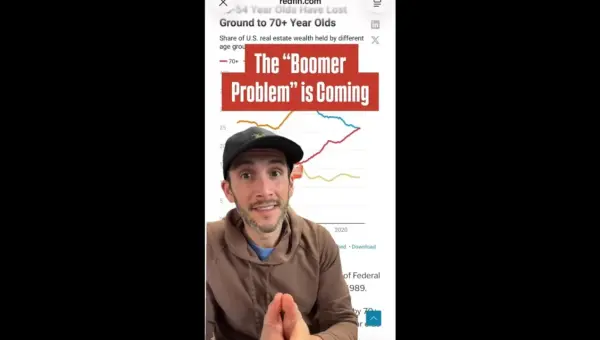
Boomer Housing Hoard Loosens Slowly
The long-predicted "silver tsunami" of homes hitting the market from aging Baby Boomers is unlikely to crash prices. Instead, a slow drip of inventory over years, combined with millennial demand, suggests slower appreciation and better opportunities for buyers.