Denmark Votes: PM Bets on Trump Stance Amid Economic Woes
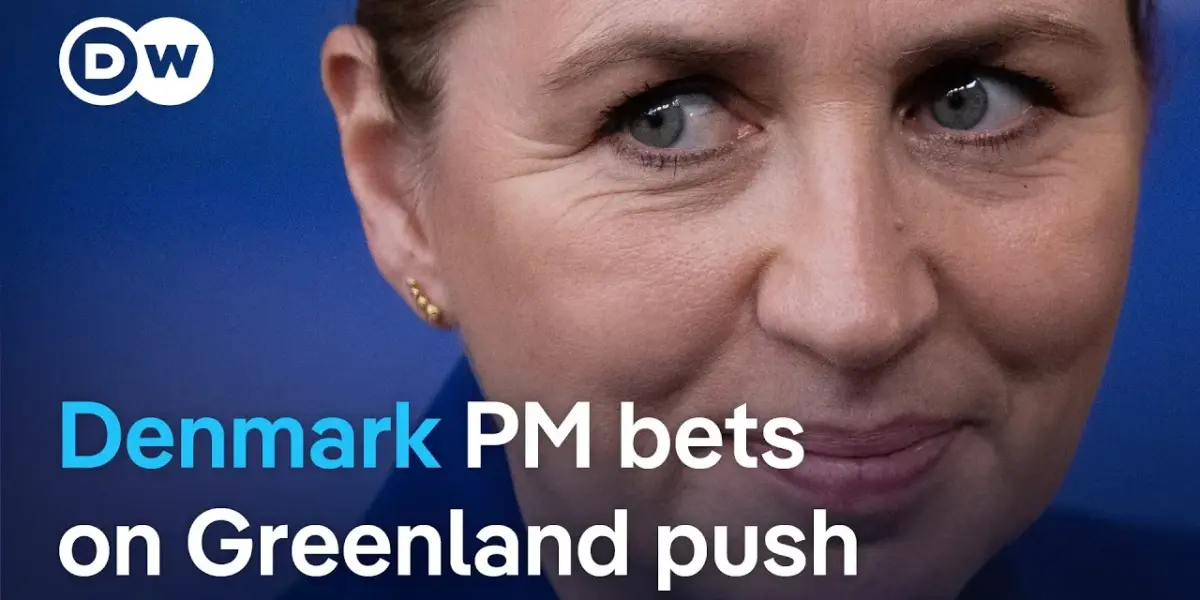
Danes are voting in a snap election where Prime Minister Mette Frederiksen hopes her strong stance against Donald Trump's Greenland proposal will boost her chances. However, economic issues are taking center stage, with her party currently trailing in polls. The outcome will likely depend on coalition negotiations among multiple parties.

Denmark Heads to Polls in Snap Election
Copenhagen, Denmark – Danes are casting their ballots today in a snap general election called by Prime Minister Mette Frederiksen. The prime minister is hoping her firm stance against former U.S. President Donald Trump’s aggressive tactics regarding Greenland will win her votes. However, with economic issues dominating voter concerns, her center-left coalition is currently trailing in opinion polls.
Greenland Dispute Fuels Election Timing
The election comes after a period of heightened international tension when Donald Trump expressed interest in purchasing Greenland. Prime Minister Frederiksen’s strong and direct rejection of Trump’s proposals garnered international support. This handling of the situation is seen as a key factor in her decision to call an early election. She is betting that her decisive leadership during this geopolitical challenge will translate into voter confidence.
“After the difficulties of dealing with the US president’s desire to take over Greenland, Prime Minister Mette Frederiksen is hoping her no-nonsense rejection of his aggressive tactics translates into support at the ballot box.”
Terry Schultz, DW News Correspondent
The fear of potential conflict with the United States, a major military power, was a serious concern for Denmark. Frederiksen’s success in rallying European leaders to support Denmark’s position was a significant diplomatic achievement. However, the question remains whether such foreign policy wins will outweigh pressing domestic concerns for voters.
Economic Issues Take Center Stage
Despite the international spotlight, domestic policy is shaping up to be the main battleground in this election. “Denmark has never been richer. Employment has never been higher. We have reduced our debt,” stated the Prime Minister, highlighting positive economic indicators. Her opponents, however, argue that these achievements should not be solely credited to her government.
Leading the conservative bloc, Defense Minister Truls Lund Poulsen, who also heads the center-right Liberal Party, criticized Frederiksen. He argued that she should not take personal credit for the nation’s wealth. Poulsen also accused her of planning to make citizens poorer through proposed new wealth taxes. “I don’t understand why you want to go in a different direction with higher taxation where our competitiveness comes into play,” he remarked during campaign debates.
Shifting Political Landscape
Frederiksen’s Social Democratic Party currently leads in the polls, with the Green Left party running a close second. The Green Left is expected to draw support from voters concerned about environmental issues, such as pig farming practices and the cleanliness of drinking water. These issues reflect a growing awareness of sustainability and public health among the electorate.
The right-wing populist Danish People’s Party, which has previously capitalized on anti-immigrant sentiment, is polling third. Its leader, Morten Messerschmidt, has seen his party’s influence wane somewhat. This decline is partly attributed to earlier support for Trump, which put them in an awkward position after the Greenland dispute. The party is projected to secure around 8-9% of the vote.
Alex Vanopslagh of the Liberal Alliance is another contender aiming to unseat Frederiksen. He advocates for lower taxes and stricter immigration policies, seeking to inject “fresh and new energy, new ideas, and new visions to the table.” However, the ultimate decision on who leads Denmark may rest with veteran politicians whose support Frederiksen needs.
The Kingmaker’s Role
Lars Løkke Rasmussen, a former Prime Minister himself, plays a crucial role. Although his Moderate party is expected to win fewer than a dozen seats, Frederiksen likely needs their support to form a governing coalition. He is described as a “kingmaker” who understands political negotiations well. His party’s stance will be vital in determining the next government’s composition.
Security vs. Domestic Priorities
While domestic issues typically dominate Danish elections, some experts believe the current global security situation warrants more attention. Jakob Carbo, a former intelligence officer, expressed concern that focusing solely on domestic issues like farming and schooling might be shortsighted. “We are in a security situation that is so serious at the global level where we might not have that that much money to spend on all these issues unless we think harder about security and defense at the European level,” he stated. He noted that while the conflict with Iran is not a major election issue, fears persist that Trump might revisit the Greenland issue once conflicts elsewhere subside.
Coalition Building: A Danish Tradition
Prime Minister Frederiksen’s Social Democrats are expected to win the most votes, but not enough to govern alone. Forming a coalition is standard practice in Denmark’s multi-party system. She will likely need to collaborate with parties like the Green Left, and potentially reach across the aisle to more conservative groups such as the Liberal Alliance or the Danish People’s Party.
Immigration, a hot-button issue across Europe, is not as divisive in Denmark’s current political climate. All major parties, including Frederiksen’s Social Democrats, maintain strict immigration policies. Denmark has faced criticism from human rights groups for its stringent asylum seeker rules. This broad consensus on immigration means it is not a major point of contention between parties in this election.
What Happens Next?
Following the election results tonight, the party with the most votes will be tasked with forming a government. This process typically involves negotiations to build a coalition. While Frederiksen is expected to lead these efforts, she will need to make concessions to secure the necessary support. Experts predict that a new cabinet could be announced within a couple of weeks, much faster than in some other European countries. Current projections suggest Mette Frederiksen is likely to secure a third term as Prime Minister.
Source: What's at stake in Denmark's snap elections? | DW News (YouTube)

Related Articles


CPAC’s Fumbles Reveal Fissures in MAGA’s Foundation
CPAC's recent gathering revealed potential cracks within the MAGA movement, with awkward stage moments and attendee sentiments highlighting growing divisions. Polling data also suggests a decline in Donald Trump's popularity, indicating a potential shift in the political landscape.


Iran Hacks Trump Official Amid Escalating Global Tensions
Iran has reportedly hacked into the emails of a former Trump administration official, raising security concerns. Meanwhile, US intelligence questions the effectiveness of strikes against Iran, and reports suggest Donald Trump's interest in the conflict is waning. The situation is further complicated by global economic impacts and allegations of bias within the US military.

Trump Courts Farmers, Promises Agricultural Boom
Donald Trump addressed farmers at the White House, promising agricultural prosperity through deregulation, tax cuts, and trade deals. He positioned himself as a champion against the policies of the Biden administration and highlighted past achievements like repealing the estate tax and easing equipment repair rules. The speech aimed to solidify support from the farming community.